Introduction
In today’s tech and production world, tiny pieces still carry big weight when it comes to how well things run, stay safe, or last over time. Take the spring pin – basic design, but works like a charm in tons of fields. Whether it’s cars, planes, gadgets, or massive equipment, these pins hold stuff together while handling bumps and keeping everything lined up right.
Engineers pick parts carefully – never just by chance. Instead, they go for accuracy, reliability, plus solid track records. That’s exactly why so many depend on top-grade spring pins made by CFE. Thanks to excellent raw stuff, tight inspection steps, along with smart technical layouts, these pins keep delivering under pressure. No matter the project or place, pros everywhere count on them.
In this clear walkthrough, we check what makes top-grade spring pins stand out – showing their edge over regular fixings, while highlighting how CFE built real reliability in mechanical fixes.
What Are Spring Pins?
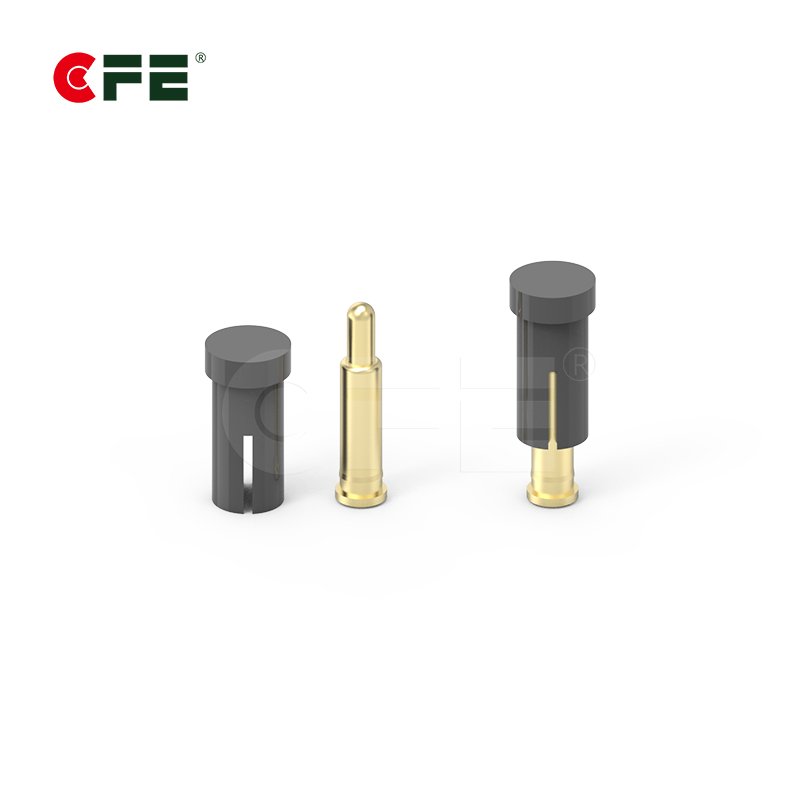
Spring pins – sometimes called roll pins – hold parts in place using grip plus bounce. Not like solid ones, these are empty inside, with a cut or spiral shape so they squeeze when put in, then push outward once seated.

Key Characteristics of Spring Pins
Self-retaining design
High vibration resistance
Shock absorption capability
Simple to put in or take out
Long service life
Besides these perks, spring pins pop up a lot in setups dealing with motion, shaking, or constant strain.
Why Quality Matters in Spring Pins
Some spring pins just aren’t as good as others. Cheaper ones might seem okay at first, yet break when used for actual tasks. Pros know bad fasteners lead to problems like:
Assembly misalignment
Early damage or breakdown
Increased maintenance costs
Faulty gear plus halted operations
Safety risks
Firm spring pins cut those dangers, working reliably no matter how tough the conditions get.
Why Engineers Trust High-Quality Spring Pins from CFE
1. Precision Engineering and Manufacturing
CFE spring pins come from high-tech making methods, so they keep exact sizes. Because of this accuracy, they always fit just right – meaning fewer mistakes when putting them together while speeding up the whole process.
Workers like this steady performance since it makes planning easier while keeping outcomes reliable during mass manufacturing.
2. Premium-Grade Materials
CFE picks top-grade stuff like:
Carbon steel
Stainless steel
Alloy steel
These materials are tough, resist rust, yet handle repeated stress well. Even when things get hot or damp, CFE spring pins stay solid without weakening.
3. Superior Load-Bearing Capability
Top-grade spring pins spread force smoothly along the hole’s edge. Because of this, pressure doesn’t build up in one spot, which helps prevent bending or breaking.
Workers rely on CFE spring pins since they work well in tough spots
Dynamic loads
Repeated vibration
Heavy mechanical stress
4. Excellent Vibration and Shock Resistance
In fields like car manufacturing, aviation, or heavy equipment, shaking happens no matter what. CFE spring pins handle jolts well – still holding tight when things get shaky.
This is why they work well for uses like
Gear assemblies
Drive shafts
Control systems
Motor housings
5. Consistent Quality Control Standards
CFA sticks to tight checks all through making stuff. Every set of spring pins gets carefully looked over for:
Dimensional accuracy
Material strength
Surface finish
Performance under load
This kind of testing makes sure engineers trust each pin fits the blueprint – no guesswork involved.
Applications of High-Quality Spring Pins
Engineers across multiple industries rely on CFE spring pins for diverse applications:
Automotive Industry
Transmission systems
Steering components
Engine assemblies
Aerospace Engineering
Lightweight structural assemblies
Control mechanisms
Precision instruments
Industrial Machinery
Conveyor systems
Robotic arms
Heavy-duty equipment
Electronics and Electrical Equipment
Connector alignment
Housing assemblies
Component mounting
Advantages of Choosing CFE Spring Pins
Choosing CFE spring pins offers several long-term benefits:
Reduced maintenance requirements
Improved product reliability
Less chance parts will break
Save money as time goes by
Safer use with better results
For engineers, this means projects run easier – so clients tend to stay happier.
How CFE Supports Engineers
CFE isn’t just about making spring pins. Alongside that, it teams up with engineers to deliver:
Technical support
Custom solutions
Application-specific recommendations
This teamwork builds confidence while keeping results strong on each task.
FAQs
Q1: What makes spring pins better than solid pins?
Spring pins handle vibrations better than solid ones – also they absorb shocks more effectively while keeping themselves in place. Instead of needing extra parts, these stay put on their own.
Q2: Are CFE spring pins suitable for high-load applications?
Yep, CFE spring pins manage heavy pressure plus constant strain while staying strong – no breakdowns expected.
Q3: Can spring pins be reused?
Good spring pins might work again when they still look like before plus keep their squeeze.
Q4: Do CFE spring pins resist corrosion?
CFE makes spring pins that resist rust – these are built using stainless steel among other tough materials.
Q5: Why do engineers prefer CFE spring pins?
Workers in tech rely on CFE because it’s accurate, built to last, delivers steady results, yet performs without fail.
Conclusion
In engineering, things must work – no exceptions. A tiny part such as a spring pin might affect how well the whole system runs, stays safe, or lasts over time. That’s why pros keep choosing solid spring pins made by CFE.
CFE spring pins are built right – using top-grade materials, careful production methods, solid testing at every stage, also real-world success in tough applications. If high standards count and mistakes can’t happen, pick CFE – a go-to name when dependable design really counts.
Lorem ipsum dolor sit amet, consectetur adipiscing elit. Ut elit tellus, luctus nec ullamcorper mattis, pulvinar dapibus leo.