Introduction
Spring-loaded pins are compact electrical connectors designed to create a reliable electrical connection through mechanical pressure. They are widely used in PCB and SMT applications where durability, accuracy, and repeated connections are required. Thanks to their internal spring mechanism, spring-loaded pins maintain consistent contact even in environments with vibration, misalignment, or frequent mating cycles.
These pins are commonly found in testing fixtures, charging docks, consumer electronics, and industrial devices where traditional fixed connectors may fail or wear out quickly.
What Are Spring-Loaded Pins?

spring-loaded contact 1
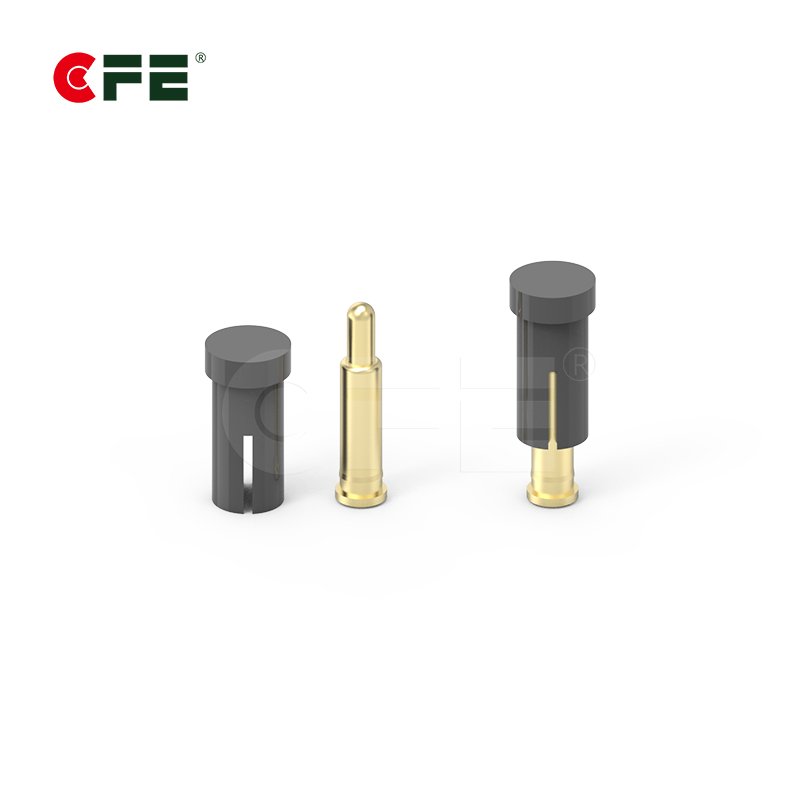
Spring-loaded pins—often referred to as pogo pins—are precision-engineered contact components that consist of three main parts:
Plunger (Contact Tip):
The moving part that touches the PCB pad or mating surface and transfers electrical signals or power.Barrel (Housing):
The outer body that holds the internal components in alignment and provides structural strength.Spring:
Located inside the barrel, the spring applies a constant force to the plunger, ensuring stable electrical contact.
This simple yet effective design allows spring-loaded pins to absorb mechanical tolerances and maintain electrical performance over thousands or even millions of cycles.
How Do Spring-Loaded Pins Work?
Spring-loaded pins work using controlled compression:
The plunger makes contact with a PCB pad or conductive surface
Applied pressure compresses the internal spring
The spring force maintains low and stable contact resistance
When pressure is removed, the spring returns the plunger to its original position
This mechanism ensures consistent electrical connectivity without permanent soldering on the mating side, making spring-loaded pins ideal for temporary or repetitive connections.
Spring-Loaded Pins in PCB Applications
In PCB designs, spring-loaded pins are widely used for applications that require flexibility and repeatability, such as:
Board-to-board connections
Battery terminals
Temporary test points
Programming and debugging interfaces
Docking and alignment systems
They help designers reduce rigid connector usage, simplify layouts, and improve reliability—especially in compact or modular electronic systems.
Spring-Loaded Pins in SMT Applications
Surface-mount spring-loaded pins are specifically designed for SMT assembly processes. These pins can be placed and soldered directly onto PCBs using standard reflow soldering techniques.
Benefits in SMT applications include:
Compatibility with automated pick-and-place machines
Reduced manual assembly and soldering
High consistency in mass production
Strong mechanical stability after reflow
SMT spring-loaded pins are commonly used in wearables, IoT devices, smartphones, and compact consumer electronics.
Key Benefits of Spring-Loaded Pins
Spring-loaded pins offer several advantages over traditional connectors:
Long operational life with high mating cycles
Reliable electrical contact under vibration
Automatic tolerance compensation
Compact and space-saving design
Easy integration into PCB and SMT layouts
Reduced maintenance and replacement costs
Common Applications of Spring-Loaded Pins
Spring-loaded pins are used across many industries, including:
PCB testing and inspection fixtures
Charging docks and power connections
Consumer electronics and accessories
Medical and diagnostic devices
Industrial automation equipment
Automotive electronic systems
FAQs About Spring-Loaded Pins
What are spring-loaded pins used for?
Spring-loaded pins are used to create reliable electrical connections in PCB testing, charging systems, board-to-board interfaces, and temporary contact applications.
Are spring-loaded pins suitable for SMT assembly?
Yes, SMT spring-loaded pins are designed to be reflow-soldered and are fully compatible with automated SMT assembly processes.
How many cycles can spring-loaded pins last?
Depending on design and materials, spring-loaded pins can withstand tens of thousands to millions of compression cycles.
Do spring-loaded pins require soldering?
They are soldered to the PCB on one side, but the mating contact side does not require soldering, making them ideal for temporary or modular connections.
What materials are used in spring-loaded pins?
Common materials include brass or phosphor bronze barrels, stainless steel springs, and gold-plated plungers for improved conductivity and corrosion resistance.
Conclusion
Spring-loaded pins are an essential solution for modern PCB and SMT applications where reliability, flexibility, and durability are critical. Their unique spring-based design ensures consistent electrical contact even under repeated use, vibration, or alignment challenges. By choosing the right spring-loaded pin configuration, engineers can significantly enhance the performance and lifespan of electronic assemblies.