Introduction
Selecting the best connector for your device is more critical than most engineers and buyers realize. Whether you’re working in consumer electronics, automotive systems, industrial automation, or IoT devices across Europe, the right connector ensures safety, efficiency, and long-term reliability.
In the European market—where compliance with CE standards, RoHS directives, and IP ratings is essential—choosing the correct connector goes beyond simple compatibility. It directly impacts performance, durability, and regulatory approval.
This comprehensive guide will walk you through everything you need to know to confidently choose the best connector for your device.
What is a Connector?
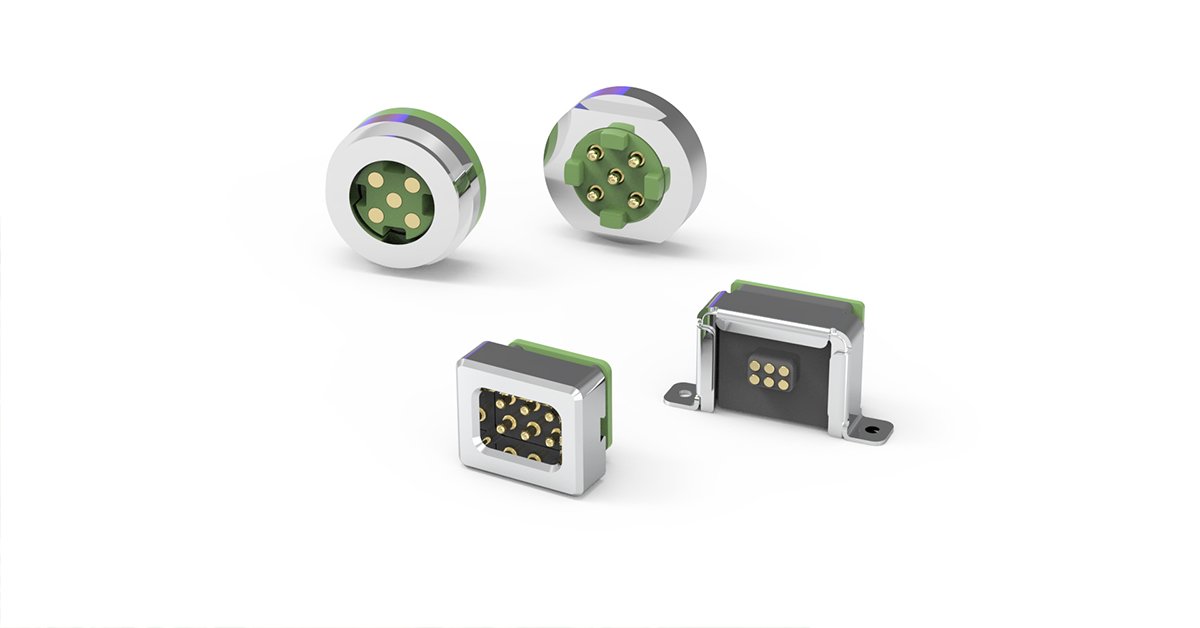
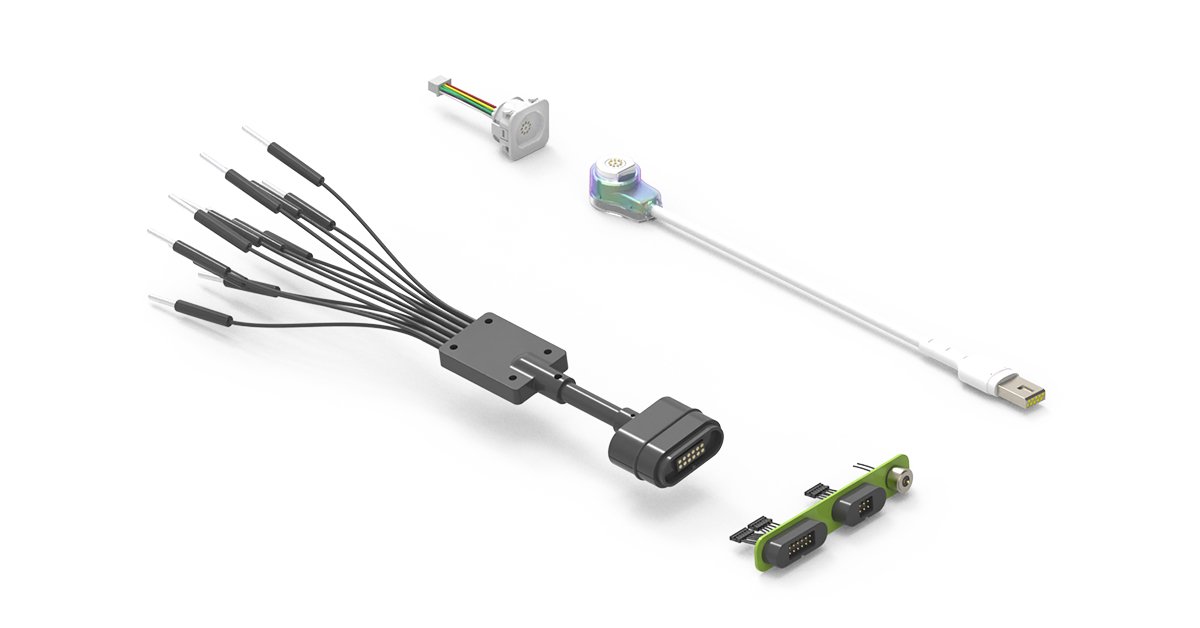
A connector is an electromechanical component used to join electrical circuits together. It allows signals or power to be transmitted from one device to another safely and efficiently.
Connectors are widely used in:
- Consumer electronics (smartphones, laptops)
- Automotive systems (EV charging connectors in Europe)
- Industrial machinery
- Medical equipment
- Telecommunications infrastructure
Types of Connectors Commonly Used in Europe
USB Connectors (USB-C Dominance in Europe)
USB-C has become the European standard connector for most portable electronics due to EU regulations promoting universal charging.
Circular Connectors (M8, M12)
Widely used in industrial automation and robotics across Germany, France, and Italy, these connectors offer durability and waterproof protection.
RF and Coaxial Connectors
Essential for the telecommunications and broadcasting industries in Europe.
Fiber Optic Connectors
Used in high-speed networking applications, especially in European data centres and broadband infrastructure.
Automotive Connectors
With the rise of EVs, connectors like Type 2 (Mennekes) are widely adopted in Europe.
Key Factors to Consider When Choosing a Connector
Electrical Requirements
Always consider:
- Voltage rating
- Current capacity
- Signal type (analog, digital, high-speed)
Choosing a connector that doesn’t meet these specifications can result in system failure.
Environmental Conditions
European industries often demand connectors that withstand harsh conditions:
- Temperature extremes
- Moisture and humidity
- Dust and vibration
Look for IP67 or IP68-rated connectors for outdoor or industrial use.
Compliance with European Standards
This is a crucial factor when operating in Europe.
Ensure your connector meets:
- CE Certification
- RoHS Compliance (Restriction of Hazardous Substances)
- REACH Regulations
Failure to comply may result in legal issues or product rejection.
Mechanical Design and Durability
Consider:
- Mating cycles (how many times it can be connected/disconnected)
- Locking mechanism (push-pull, threaded, bayonet)
- Size constraints for compact devices
Ease of Installation
For industrial and commercial applications, quick and easy installation reduces downtime and labour costs.
Cost vs Performance
While budget matters, choosing cheaper connectors may lead to:
- Frequent replacements
- Downtime costs
- Safety risks
Investing in high-quality European-certified connectors often saves money long term.
Industry-Specific Connector Selection
Industrial Automation (Germany & EU Manufacturing)
- Use M12 connectors
- Focus on rugged design and IP ratings
Automotive & EV Sector (Europe)
- Choose Type 2 EV connectors
- Ensure compatibility with the EU charging infrastructure
Consumer Electronics (EU Regulations)
- USB-C is now widely required
- Focus on compact size and high-speed data
Telecommunications
- Fiber optic connectors for high bandwidth
- Ensure low signal loss
Common Mistakes to Avoid
- Ignoring European compliance standards
- Choosing connectors without a proper IP rating
- Overlooking future scalability
- Using incompatible connectors
- Prioritizing price over reliability
Future Trends in the European Connector Market
The European connector market is evolving rapidly with trends like:
- Miniaturization
- High-speed data transmission (5G & beyond)
- Sustainable and eco-friendly materials
- Smart connectors with embedded sensors
Expert Tips for Choosing the Best Connector
- Always verify certifications before purchasing
- Test connectors under real-world conditions
- Choose trusted European suppliers
- Plan for future upgrades
- Consider modular connector systems
People Ask Section
Q1: What is the most common connector in Europe?
USB-C is currently the most widely used connector due to EU regulations.
Q2: What does IP67 mean in connectors?
It means the connector is dust-tight and can withstand temporary immersion in water.
Q3: Why is RoHS compliance important?
It ensures the connector does not contain hazardous substances, making it environmentally safe.
Q4: Which connector is best for industrial use?
M12 circular connectors are widely used in European industrial environments.
Q5: Are expensive connectors worth it?
Yes, they offer better durability, safety, and long-term cost savings.
Conclusion
Choosing the best connector for your device is a strategic decision that directly affects performance, safety, and compliance—especially in the European market.
By considering electrical requirements, environmental conditions, regulatory standards, and industry needs, you can confidently select a connector that ensures long-term success.
Whether you’re designing consumer electronics, industrial systems, or EV solutions, investing in the right connector today will save you significant costs and challenges in the future.