Introduction

In today’s fast-evolving electronics industry, reliable and efficient connectivity solutions are more critical than ever—especially when dealing with high power demands. One such innovation that has gained significant traction across Europe is the high-current pogo pin connector.

Unlike traditional connectors, pogo pins offer spring-loaded contact, ensuring consistent electrical connectivity even under vibration, movement, or repeated usage. But what makes high-current pogo pin connectors particularly valuable is their ability to handle substantial electrical loads without compromising performance.

In this comprehensive guide, we’ll explore what high-current pogo pin connectors are used for, their advantages, and why manufacturers across Europe trust providers like CFEconn.


What Are High-Current Pogo Pin Connectors?

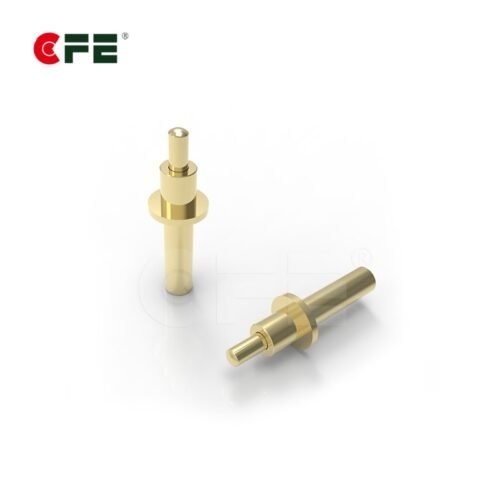
High-current pogo pin connectors are specialized spring-loaded electrical contacts designed to transmit higher electrical currents compared to standard pogo pins. They typically consist of:

  • A plunger (moving part)
  • A barrel (housing)
  • A spring (ensures consistent contact force)

These connectors are engineered with low-resistance materials and optimized contact surfaces to safely carry higher currents—often ranging from a few amps to over 100A, depending on the design.


Key Features of High-Current Pogo Pin Connectors

1. High Current Capacity

Designed for power-intensive applications, these connectors handle significantly higher currents without overheating.

2. Reliable Contact

Spring-loaded design ensures a stable electrical connection even in dynamic environments.

3. Durability

Capable of thousands to millions of mating cycles, ideal for repeated use.

4. Compact Design

Perfect for space-constrained applications such as compact electronics and battery systems.

5. Corrosion Resistance

Gold-plated contacts improve conductivity and resist oxidation—critical for European climates.


What Are High-Current Pogo Pin Connectors Used For?

Let’s explore the most common applications across industries in Europe:


1. Electric Vehicles (EVs) and Battery Systems

High-current pogo pin connectors used in electric vehicle battery systems

High-current pogo pins play a crucial role in electric vehicle battery management systems (BMS) and charging interfaces.

Use Cases:

  • Battery pack connections
  • Charging docks
  • Modular battery swapping systems

Why Important:
Europe’s EV market is rapidly expanding, and reliable high-current connectors ensure efficient energy transfer and safety.


2. Industrial Automation Equipment

In manufacturing and robotics, equipment often requires high-power connections with frequent engagement cycles.

Use Cases:

  • Robotic arms
  • Automated testing systems
  • Control panels

Benefits:

  • Reduced downtime
  • Reliable performance under vibration
  • Long lifespan

3. Medical Devices

Precision and reliability are critical in medical applications.

Use Cases:

  • Portable diagnostic devices
  • Charging stations for medical tools
  • Wearable medical electronics

Advantages:

  • Hygienic contact (minimal exposed wiring)
  • Reliable power transfer
  • Compact design for portable devices

4. Consumer Electronics

Many modern devices rely on pogo pin connectors for charging and data transfer.

Use Cases:

  • Smartwatches
  • Tablets and docking stations
  • Gaming accessories

Why Used:

  • Sleek design
  • Easy alignment
  • Enhanced durability

5. Aerospace and Defense Applications

These industries demand connectors that can withstand extreme conditions.

Use Cases:

  • Communication systems
  • Navigation equipment
  • Portable defense electronics

Key Benefits:

  • Resistance to vibration and shock
  • Reliable performance in harsh environments
  • Long service life

6. Renewable Energy Systems

As Europe moves toward sustainable energy, high-current connectors are vital.

Use Cases:

  • Solar battery storage systems
  • Wind turbine control units
  • Energy distribution modules

Importance:

  • Efficient power transfer
  • Reduced maintenance
  • Scalable connectivity

Advantages of High-Current Pogo Pin Connectors

  • Improved Electrical Efficiency: Lower contact resistance means less power loss
  • Quick Connection: No need for complex wiring or manual insertion
  • Maintenance-Friendly: Easy replacement and minimal wear
  • Customization Options: Tailored designs for European compliance standards

Why Choose CFEconn for High-Current Pogo Pin Connectors?

When it comes to sourcing reliable connectors for European markets, CFEconn stands out for several reasons:

  • Advanced manufacturing technology
  • Custom design capabilities
  • Compliance with EU standards (RoHS, REACH)
  • High-quality materials and testing procedures

Their expertise ensures that businesses receive durable, efficient, and application-specific solutions.

FAQs

1. What current can high-current pogo pin connectors handle?

They can handle anywhere from a few amps to over 100A, depending on design and materials.

2. Are pogo pin connectors reliable for long-term use?

Yes, they are designed for thousands to millions of cycles, making them highly durable.

3. Can they be customized for specific applications?

Absolutely. Manufacturers like CFEconn offer tailored solutions for different industries.

4. Are they suitable for outdoor environments in Europe?

Yes, especially when designed with corrosion-resistant materials like gold plating.

5. Why are they preferred over traditional connectors?

Because of their compact size, reliability, and ability to maintain contact under movement.


Conclusion

High-current pogo pin connectors have become an essential component across multiple industries, particularly in Europe’s rapidly growing sectors like electric vehicles, renewable energy, and industrial automation.

Their ability to deliver reliable, high-power connectivity in compact and dynamic environments makes them superior to traditional connectors in many applications.

If you’re looking for high-quality, customizable solutions, CFEconn offers industry-leading pogo pin connectors tailored for modern European demands.