Introduction: Why Pogo Pin Connectors Matter in 2026
In 2026, the demand for high-performance electronic connectivity is rapidly increasing across Europe. From electric vehicles and medical devices to smart wearables and industrial automation systems, pogo pin connectors have become essential components for reliable, high-speed, and durable connections.
Choosing the right pogo pin connector is no longer just a technical decision—it directly impacts product performance, safety compliance, and long-term cost efficiency. European manufacturers, especially in Germany, France, and the UK, are prioritizing advanced connector technologies that meet strict quality and environmental standards.
This guide will help you understand how to choose the right pogo pin connector in 2026 with practical insights, technical considerations, and industry trends.
What is a Pogo Pin Connector?
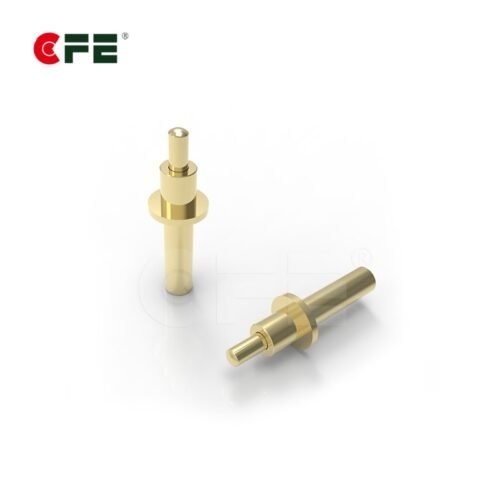
A pogo pin connector is a spring-loaded electrical contact used to establish temporary or permanent connections between two electronic devices or PCBs (Printed Circuit Boards).
It consists of three main parts:
- Plunger
- Barrel
- Spring mechanism
These components ensure stable electrical contact even under vibration, movement, or repeated usage.
Key Factors to Choose the Right Pogo Pin Connector in 2026
1. Electrical Performance Requirements
One of the first things to consider is electrical load. European devices are becoming more compact but require higher power efficiency.
Check:
- Current rating (Amps)
- Voltage compatibility
- Contact resistance
For high-performance industrial devices, low-resistance pogo pins are essential.
2. Durability and Life Cycle
Modern European industries demand long-lasting components.
Look for:
- 50,000 to 100,000+ mating cycles
- Anti-wear gold plating
- Corrosion resistance
Medical and automotive applications especially require ultra-high durability standards.
3. Material Quality & Compliance (EU Standards)
In Europe, compliance is critical. Ensure connectors meet:
- RoHS compliance
- REACH regulations
- ISO-certified manufacturing standards
Materials like brass, beryllium copper, and stainless steel are widely used for durability and conductivity.
4. Size and Design Constraints
With miniaturization trends in Europe, especially in Germany’s electronics sector, space-saving design is crucial.
Consider:
- Pitch size (1.0mm, 1.27mm, 2.0mm, etc.)
- Mounting style (SMT, through-hole)
- Compact design compatibility
5. Spring Force and Stability
Spring force determines connection stability. Too weak = unstable contact. Too strong = mechanical wear.
Choose based on:
- Application type
- Frequency of connection/disconnection
- Vibration environment (automotive/industrial)
6. Environmental Resistance
European industries often operate in extreme conditions.
Ensure resistance to:
- Temperature fluctuations
- Humidity
- Dust and corrosion
IP-rated designs are preferred for outdoor or industrial applications.
7. Application Type
Different industries require different pogo pin connectors:
- Medical Devices: High precision & safety
- EV Charging Systems: High current capacity
- Consumer Electronics: Compact & cost-efficient
- Industrial Automation: High durability & vibration resistance
8. Supplier Reliability in Europe
Choosing a trusted supplier is just as important as selecting specifications.
Look for:
- EU-based distribution
- Fast logistics and support
- Technical customization services
Latest Trends in Pogo Pin Connectors (2026 Europe Market)

1. Miniaturization Boom
Devices are getting smaller, pushing demand for ultra-fine pitch connectors.
2. High-Speed Data Transfer
5G and IoT expansion in Europe requires connectors that support faster signal transmission.
3. Green Manufacturing
Eco-friendly materials and recyclable components are becoming mandatory in EU supply chains.
4. Smart Wearable Integration
Fitness trackers, AR glasses, and medical wearables depend heavily on compact pogo pin solutions.
Common Mistakes to Avoid
- Ignoring current rating requirements
- Choosing low-quality plating materials
- Overlooking environmental conditions
- Using non-certified suppliers
- Selecting wrong spring force
Best Practices for Selection
- Always test prototypes before mass production
- Work with certified EU suppliers
- Prioritize durability over cost for industrial applications
- Match connector specs with real-world conditions
FAQs
1. What is a pogo pin connector used for?
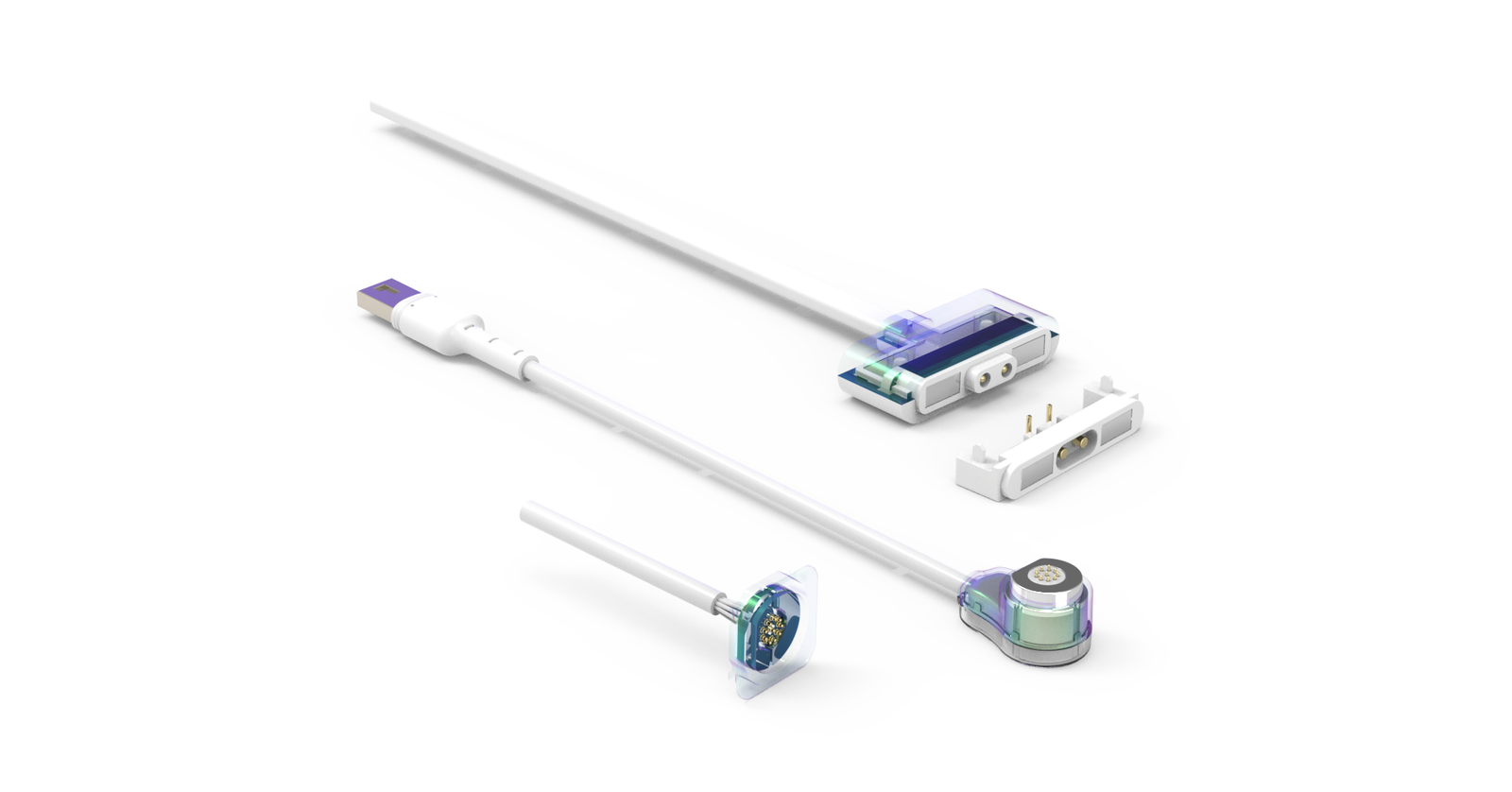
It is used for temporary or permanent electrical connections in electronics, testing systems, and charging docks.
2. Are pogo pin connectors reliable for industrial use?
Yes, high-quality pogo pins are highly reliable and widely used in industrial automation and automotive systems.
3. What is the lifespan of a pogo pin connector?
Depending on quality, it can range from 10,000 to over 100,000 mating cycles.
4. Are pogo pin connectors used in electric vehicles?
Yes, they are commonly used in EV charging systems and battery management units.
5. What standards should European buyers check?
RoHS, REACH, and ISO certifications are essential for compliance in the EU market.
Conclusion
Choosing the right pogo pin connector in 2026 requires a balance of performance, durability, compliance, and application-specific design. With Europe moving toward advanced electronics, EVs, and smart devices, selecting the correct connector is critical for long-term success.
By focusing on electrical performance, material quality, environmental resistance, and EU compliance standards, manufacturers can ensure reliable and future-ready product designs.