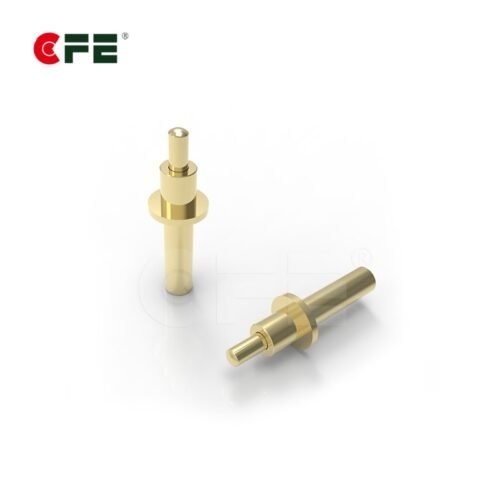
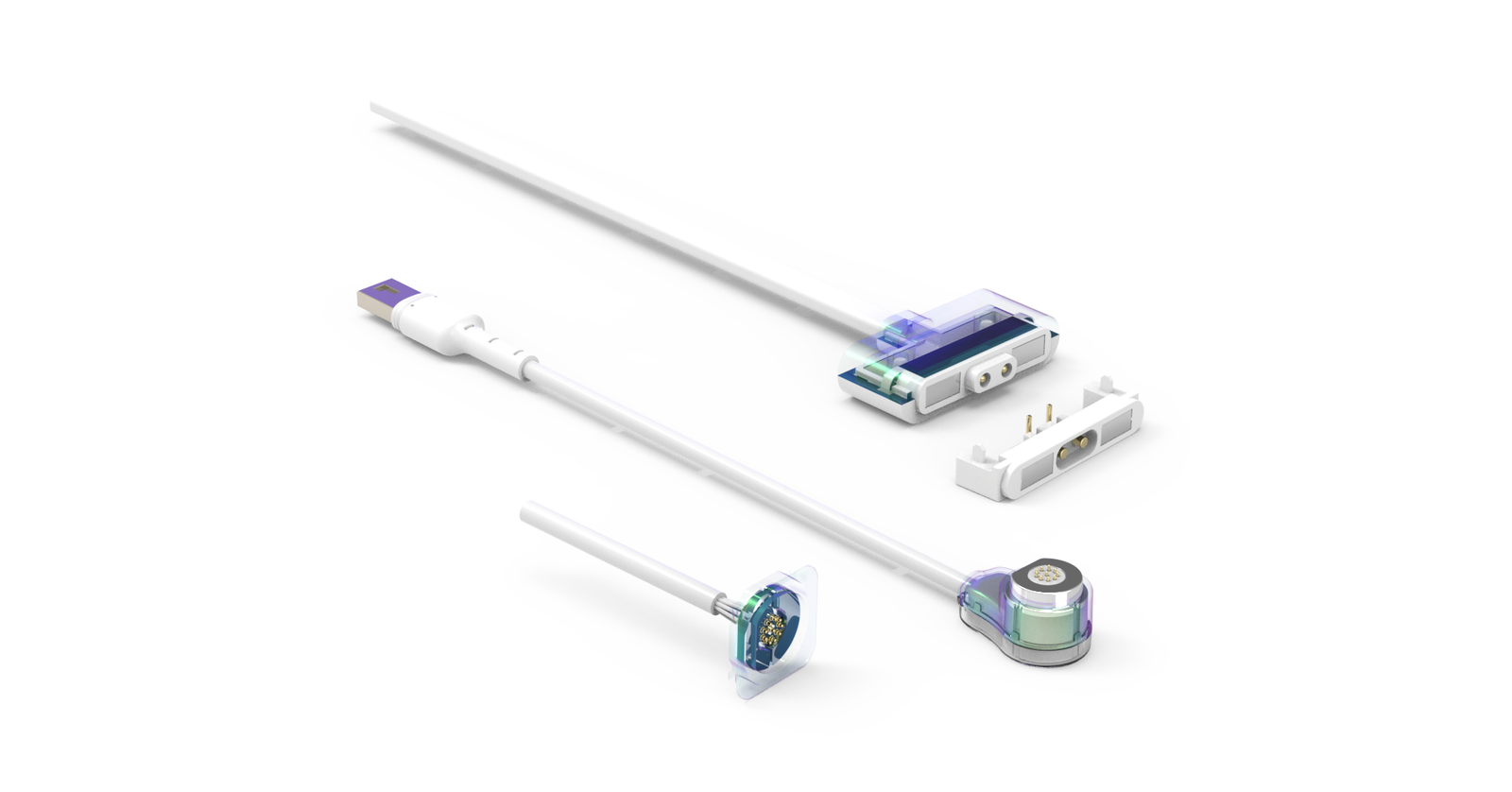
Pogo pin connectors, also known as spring-loaded connectors, are widely used across industries such as consumer electronics, automotive systems, medical devices, and industrial equipment. Their compact design, reliable electrical contact, and ease of use make them a preferred choice for applications requiring repeated connections and disconnections.
However, one of the most critical questions for engineers, buyers, and manufacturers—especially in European markets where quality and durability standards are high—is: what is the lifespan of a pogo pin connector?
Understanding Pogo Pin Connector Lifespan
The lifespan of a pogo pin connector is typically measured in the number of mating cycles rather than years. A mating cycle refers to one complete connection and disconnection.
Average Lifespan Range
- Standard pogo pins: 10,000 to 100,000 cycles
- High-quality industrial pins: 100,000 to 1,000,000+ cycles
In Europe, where industries emphasize compliance with strict standards such as RoHS and REACH, high-end pogo pins are often engineered for extended durability.
Key Factors Affecting Lifespan

1. Material Quality
The materials used in pogo pins significantly influence their lifespan.
- Plunger and barrel: Typically made of brass or stainless steel
- Spring: Usually stainless steel
- Plating: Gold plating enhances conductivity and prevents corrosion
Higher-quality materials result in longer-lasting connectors.
2. Plating Thickness
Gold plating is crucial for performance and durability.
- Thin plating (≤ 3 µin): Shorter lifespan
- Thick plating (≥ 10 µin): Longer lifespan and better corrosion resistance
European applications, especially in automotive and medical sectors, often require thicker plating for reliability.
3. Operating Environment
Environmental conditions play a major role.
- Humidity: Can cause corrosion
- Temperature extremes: Affect spring elasticity
- Dust and debris: Increase wear and contact resistance
Harsh environments reduce lifespan unless protective designs are used.
4. Mechanical Stress
Excessive force or misalignment during connection can damage pogo pins.
- Over-compression of the spring reduces elasticity
- Side loading can cause bending or failure
Proper alignment ensures optimal performance.
5. Electrical Load
Higher current loads generate heat, which can degrade materials over time.
- Low-current applications: Longer lifespan
- High-current applications: Faster wear
Designing within recommended electrical limits is essential.
6. Frequency of Use
Frequent connections naturally lead to wear.
- Daily use devices: Faster cycle consumption
- Occasional use systems: Extended lifespan
For high-frequency use, industrial-grade pogo pins are recommended.
Testing Standards for Lifespan
European manufacturers often follow strict testing protocols to ensure durability:
- Cycle testing: Simulates repeated connections
- Salt spray testing: Evaluates corrosion resistance
- Thermal cycling: Tests performance under temperature variations
These tests ensure pogo pins meet the expectations of European markets, including Germany, France, and the UK.
Typical Applications and Expected Lifespan
Consumer Electronics
- Smartphones, wearables, chargers
- Lifespan: 10,000–50,000 cycles
Automotive Industry
- Battery systems, sensors
- Lifespan: 100,000–500,000 cycles
Medical Devices
- Diagnostic equipment
- Lifespan: 50,000–200,000 cycles
Industrial Equipment
- Testing fixtures, automation systems
- Lifespan: 200,000–1,000,000 cycles
How to Extend the Lifespan of Pogo Pin Connectors
1. Choose High-Quality Components
Investing in premium pogo pins ensures better durability and performance.
2. Optimize Design
- Ensure proper alignment
- Avoid over-compression
- Use guide structures if necessary
3. Use Protective Coatings
Protective coatings can reduce corrosion and wear in harsh environments.
4. Maintain Clean Contacts
Regular cleaning prevents dust buildup and oxidation.
5. Operate Within Specifications
Always adhere to recommended:
- Voltage
- Current
- Mechanical limits
Why Lifespan Matters in Europe
European industries prioritize:
- Sustainability
- Reliability
- Compliance with regulations
A longer-lasting pogo pin connector reduces maintenance costs, minimizes downtime, and supports environmentally friendly practices by reducing waste.
Common Signs of Wear and Failure
Recognizing early signs of wear can prevent system failure:
- Increased contact resistance
- Intermittent connectivity
- Visible wear or corrosion
- Reduced spring force
Replacing connectors at the right time ensures system reliability.
Future Trends in Pogo Pin Technology
The European market is seeing advancements such as:
- High-current pogo pins for EV applications
- Miniaturized connectors for compact devices
- Enhanced coatings for extreme environments
These innovations aim to further increase lifespan and performance.
FAQs
1. How many cycles can a pogo pin connector last?
Most pogo pin connectors last between 10,000 and 1,000,000 cycles depending on quality and usage.
2. Does gold plating improve lifespan?
Yes, thicker gold plating significantly enhances durability and corrosion resistance.
3. Can pogo pins fail early?
Yes, improper use, harsh environments, or poor-quality materials can reduce lifespan.
4. Are pogo pin connectors suitable for high-current applications?
Yes, but only specially designed high-current pogo pins should be used.
5. How can I test pogo pin durability?
Cycle testing, environmental testing, and electrical performance tests are commonly used.
Conclusion
The lifespan of a pogo pin connector depends on multiple factors, including material quality, plating thickness, environmental conditions, and usage frequency. While standard connectors may last around 10,000 cycles, high-quality industrial versions can exceed 1,000,000 cycles.
For European industries, where reliability and compliance are critical, selecting the right pogo pin connector is essential. By understanding the factors that influence lifespan and following best practices, businesses can significantly extend connector durability and improve overall system performance.