Introduction: Why Magnetic Charging Connectors Are Trending in Europe
Magnetic charging connectors have become one of the fastest-growing accessories in Europe due to their convenience, safety, and compatibility with modern devices. From smartphones to laptops, users across Germany, France, Spain, and the UK are shifting toward magnetic USB-C charging cables because they reduce wear and tear while improving usability.
But the real question is: how do magnetic charging connectors work exactly?
In this guide, we break down the full mechanism, internal design, safety features, EU charging standards, and future trends of magnetic charging technology.
What Is a Magnetic Charging Connector?
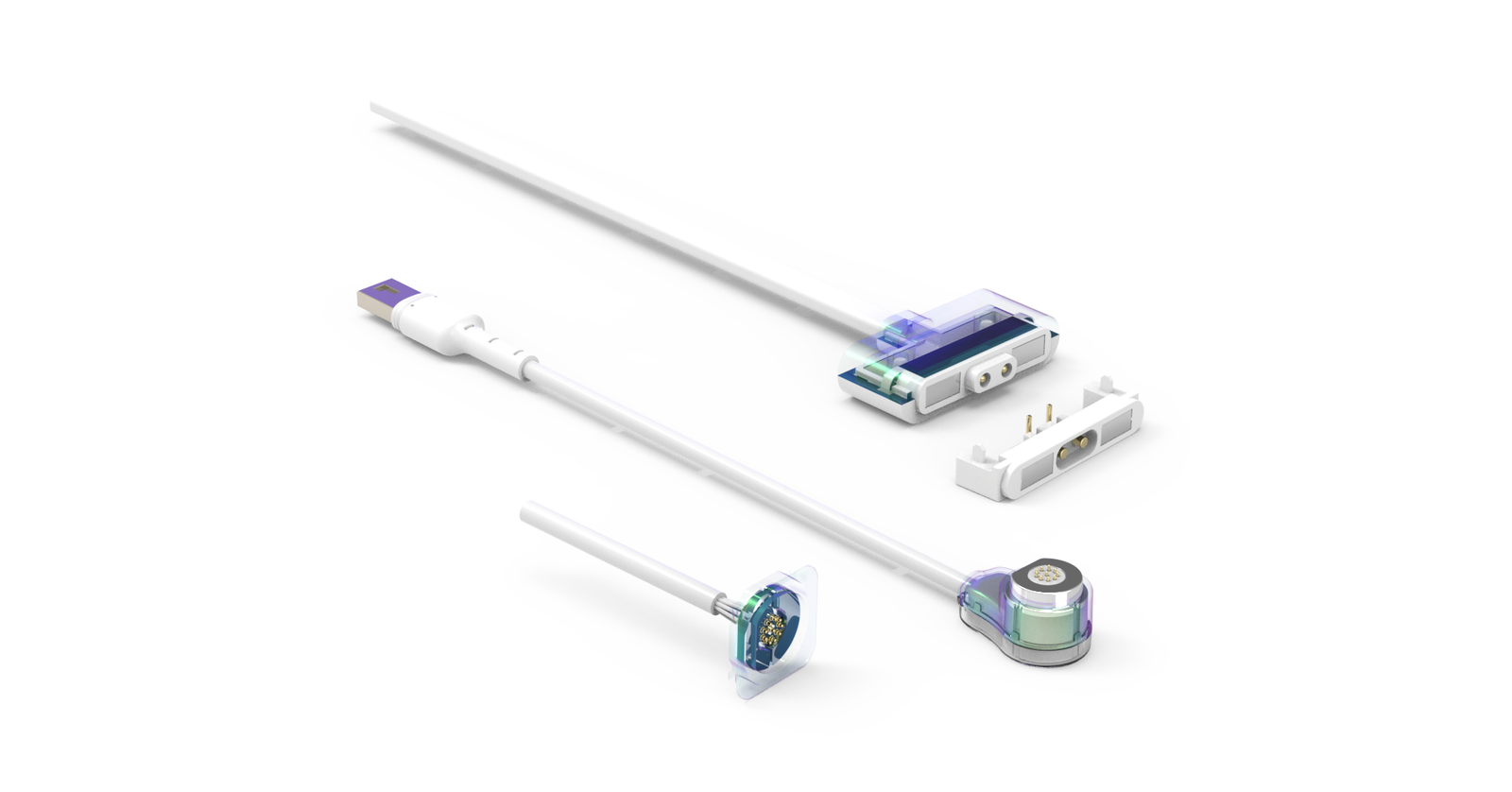
A magnetic charging connector is a small adapter system that uses magnetically attached tips and cables to connect a device to a power source.
Instead of directly plugging and unplugging a cable into your device, a magnetic connector uses two parts:
- A magnetic tip inserted into your device’s charging port (USB-C, Micro USB, or Lightning)
- A magnetic cable head that attaches automatically
Once close enough, magnets snap together, forming a stable electrical connection.
How Do Magnetic Charging Connectors Work Exactly?
1. Magnetic Attraction System
Inside the connector, small neodymium magnets are arranged in a circular or rectangular pattern. These magnets create a strong but controlled attraction force.
When the cable head is near the device tip:
- The magnets align automatically
- The connector snaps into place
- No manual alignment is required
This is especially useful in low-light environments or while driving.
2. Electrical Contact Pins
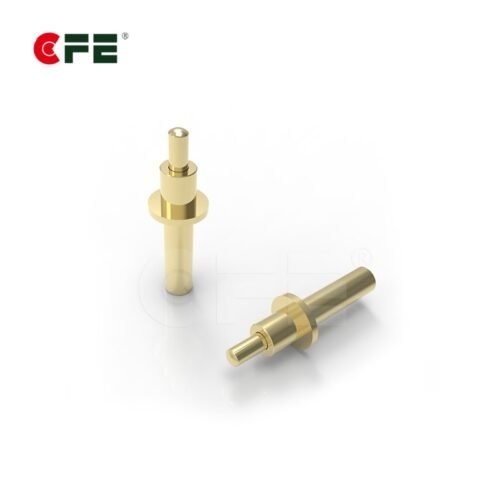
Magnetism alone does not charge your device. The actual charging happens through metal contact pins.
Typically:
- 5 to 10 gold-plated pins are used
- Each pin handles a different function (power, data, grounding)
When the connector attaches:
- Pins touch precisely
- Electricity flows from charger → device battery
3. Smart Circuit Protection
Modern magnetic charging connectors sold in Europe include smart chips that regulate power flow.
These chips help:
- Prevent overcharging
- Avoid overheating
- Control voltage stability (important for EU safety compliance)
This is aligned with European CE safety standards for electronic accessories.
4. USB-C Magnetic Adapter Integration
Most modern systems now support USB-C magnetic charging cables, which are widely adopted in Europe due to EU regulations favoring USB-C standardization.
Benefits include:
- Faster charging speeds (up to 100W or more)
- Universal compatibility
- Reversible connection system
- Reduced electronic waste
Why Europe Is Adopting Magnetic Charging Connectors Quickly
1. EU USB-C Mandate Influence
The European Union has pushed for USB-C as a universal charging standard for smartphones and devices. Magnetic connectors align perfectly with this shift.
2. Device Protection
Frequent plugging and unplugging damages ports over time. Magnetic connectors:
- Reduce port wear
- Extend device lifespan
- Lower repair costs in EU tech markets
3. Safety Improvements
Magnetic connectors reduce risks such as:
- Cable tripping accidents
- Sudden device drops
- Spark damage from rough disconnections
The connector detaches safely if pulled, making it ideal for home and office use.
4. Convenience for Daily Use
Users in Europe prefer magnetic charging because:
- One-hand connection is possible
- Night charging is easier
- Cars and workplaces benefit from quick attachment
Types of Magnetic Charging Connectors

1. USB-C Magnetic Connectors
Most popular in Europe, used for:
- Smartphones
- Tablets
- Laptops
2. Micro-USB Magnetic Connectors
Older but still used in budget devices.
3. Magnetic Laptop Chargers
Used for:
- MacBook-style devices
- High-wattage charging systems
Limitations of Magnetic Charging Technology
Despite benefits, there are some drawbacks:
- Slightly slower data transfer in some models
- Compatibility issues with cheap adapters
- Magnetic dust attraction to connector tips
- Not all support fast charging above 100W
Future of Magnetic Charging in Europe
The future of magnetic charging connectors looks strong due to:
- Expansion of wireless + magnetic hybrid charging systems
- EU push for sustainability
- Growth in EV accessories using magnetic power connectors
- Integration with smart home devices
Experts predict magnetic connectors will become standard accessories by 2030 in Europe.
Conclusion
Magnetic charging connectors work by combining magnetic alignment technology, precision metal contact pins, and smart power regulation systems. Their growing popularity in Europe is driven by convenience, safety, and EU-standard USB-C adoption.
As technology evolves, magnetic charging will likely become a mainstream solution for smartphones, laptops, and even electric mobility devices.
FAQs
1. How do magnetic charging connectors work?
They use magnets to align connectors and metal pins to transfer electrical power safely.
2. Are magnetic charging cables safe for devices?
Yes, when CE-certified, they include protections against overheating and overvoltage.
3. Do magnetic chargers support fast charging in Europe?
Yes, many USB-C magnetic cables support fast charging up to 100W.
4. Can magnetic connectors damage my phone?
No, they are designed to reduce port wear, not damage it.
5. Are they compatible with all devices?
Not all devices, but most USB-C devices in Europe support them via adapters.