Introduction
Pogo pin connectors, also known as spring-loaded connectors, have become an essential component in modern electronics. From wearable devices and smartphones to medical equipment and industrial systems, these compact connectors offer reliable electrical connections in applications where traditional connectors may fall short.
However, one critical question often arises among engineers, designers, and manufacturers: How reliable are pogo pin connectors in long-term use?
In this comprehensive guide, we will explore the durability, lifespan, influencing factors, advantages, limitations, and best practices to ensure pogo pin connectors perform reliably over extended periods.
What Are Pogo Pin Connectors?
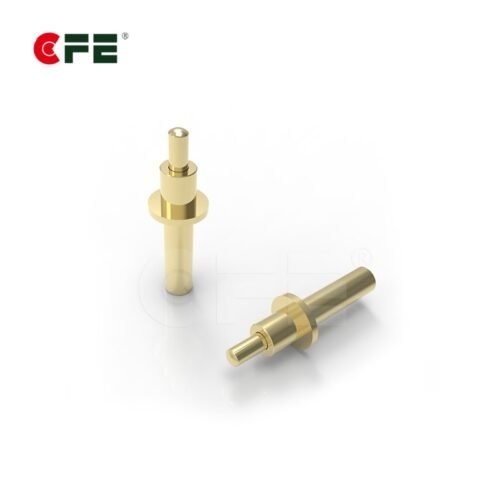
Pogo pin connectors are spring-loaded electrical connectors that use a plunger, spring, and barrel to create a secure electrical contact. Their design allows them to maintain consistent pressure between contact points, ensuring stable connectivity even in dynamic environments.
Key Components
- Plunger (Tip): Makes contact with the target surface
- Spring: Provides the force required for consistent contact
- Barrel: Houses the internal components
Why Reliability Matters in Long-Term Applications
Reliability is critical in applications where connectors are repeatedly engaged and disengaged or exposed to harsh conditions. Failure of connectors can lead to:
- Device malfunction
- Signal loss
- Increased maintenance costs
- Reduced product lifespan
In industries like healthcare, aerospace, and consumer electronics, reliability is not optional—it’s essential.
How Reliable Are Pogo Pin Connectors?
1. High Durability and Long Lifespan
Pogo pins are designed for repeated use, often rated for 10,000 to 1,000,000+ cycles depending on quality and materials. High-end connectors can maintain consistent performance over years of usage.
2. Consistent Electrical Performance
The spring mechanism ensures:
- Stable contact resistance
- Reliable signal transmission
- Minimal electrical interruptions
This makes them ideal for sensitive electronics.
3. Resistance to Wear and Tear
Unlike traditional connectors, pogo pins:
- Minimize friction damage
- Maintain alignment automatically
- Reduce connector fatigue
4. Self-Cleaning Mechanism
Each compression creates a wiping action that removes debris and oxidation, enhancing long-term reliability.
Factors Affecting Long-Term Reliability
1. Material Quality
High-quality materials such as:
- Gold plating
- Stainless steel springs
- Brass or phosphor bronze barrels
improve corrosion resistance and conductivity.
2. Environmental Conditions
External factors can impact reliability:
- Humidity: Can cause corrosion
- Temperature extremes: Affect spring elasticity
- Dust and contaminants: Interfere with contact
3. Mechanical Stress
Repeated misalignment or excessive force can:
- Deform pins
- Reduce spring tension
- Cause premature failure
4. Current Load
Overloading pogo pins beyond their rated capacity can lead to:
- Overheating
- Reduced lifespan
- Electrical failure
5. Design and Installation
Proper PCB layout and alignment are crucial. Poor design can significantly reduce connector life.
Advantages of Pogo Pin Connectors for Long-Term Use

1. Compact and Space-Saving
Ideal for small devices where space is limited.
2. High Cycle Life
Perfect for applications requiring frequent connections.
3. Easy Maintenance
Replaceable and easy to clean.
4. Versatility
Used in:
- Wearables
- Charging docks
- Test equipment
- Medical devices
Limitations to Consider
While pogo pins are highly reliable, they are not without drawbacks:
- Higher cost compared to basic connectors
- Sensitivity to alignment issues
- Potential wear in harsh environments without protection
Best Practices to Maximize Long-Term Reliability
1. Choose High-Quality Connectors
Invest in connectors with:
- Gold plating
- High cycle ratings
- Reputable manufacturers
2. Ensure Proper Alignment
Use guiding mechanisms or housings to prevent misalignment.
3. Protect Against Environmental Factors
- Use sealed designs
- Add protective coatings
- Avoid exposure to moisture and dust
4. Operate Within Rated Limits
Always adhere to:
- Current ratings
- Voltage limits
- Mechanical specifications
5. Regular Maintenance
Periodic inspection and cleaning can significantly extend lifespan.
Real-World Applications
1. Consumer Electronics
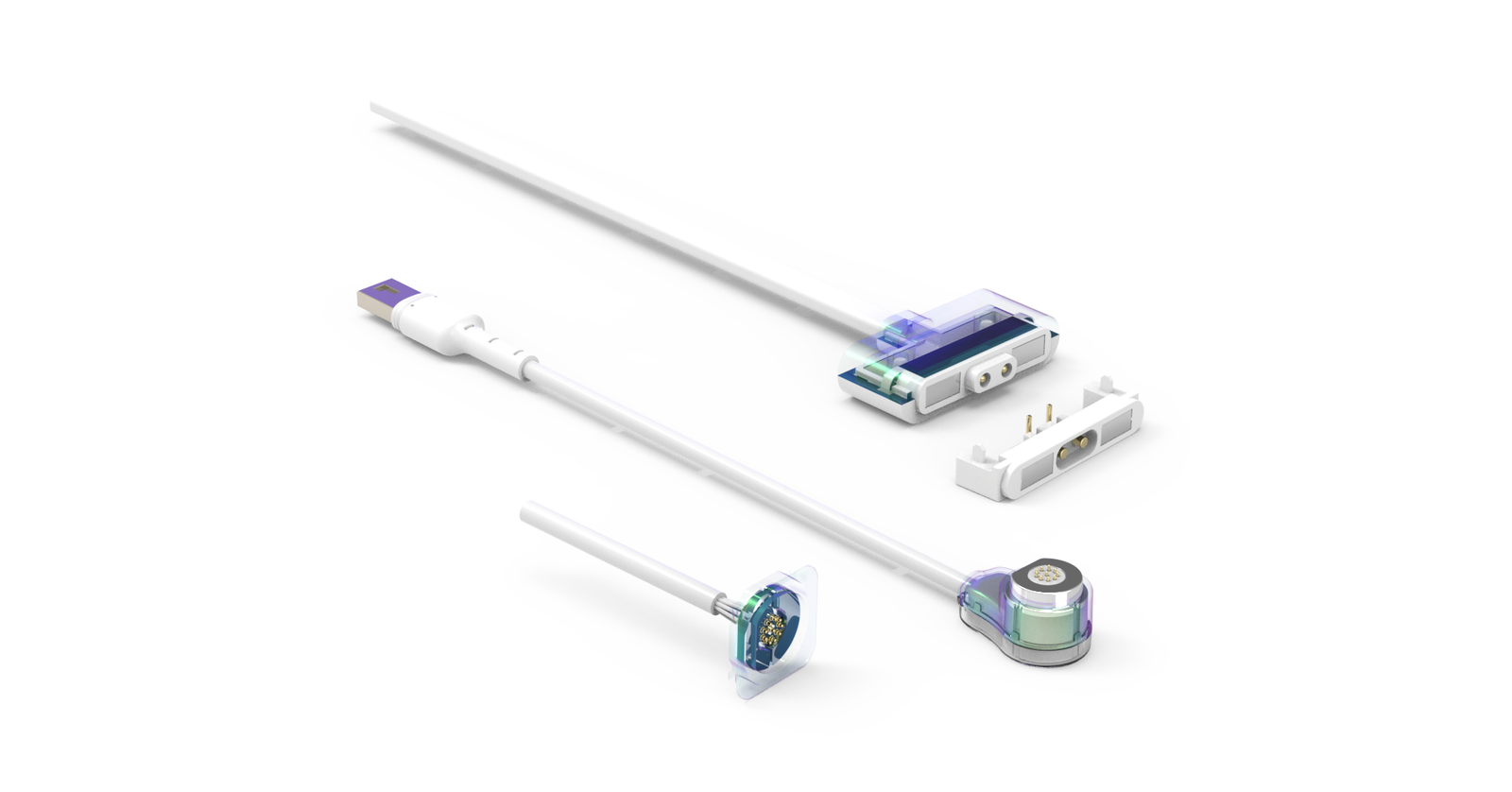
Used in smartphones, smartwatches, and earbuds for charging and data transfer.
2. Medical Devices
Ensure reliable connections in critical monitoring equipment.
3. Industrial Equipment
Support testing and automation systems with repeated connections.
4. Automotive Systems
Used in advanced electronic modules and diagnostics tools.
Future Trends in Pogo Pin Technology
The demand for compact and reliable connectors is driving innovation:
- Higher current capacity designs
- Improved corrosion resistance
- Miniaturization for IoT devices
- Enhanced durability coatings
FAQs
1. How long do pogo pin connectors last?
They can last anywhere from 10,000 to over 1 million cycles, depending on quality and usage conditions.
2. Are pogo pins suitable for outdoor use?
Yes, but they require protective coatings or sealed designs to withstand environmental exposure.
3. Do pogo pins lose conductivity over time?
High-quality pogo pins maintain stable conductivity, especially with gold plating.
4. Can pogo pins handle high current?
Yes, specialized pogo pins are designed for high-current applications, but standard pins have limitations.
5. What causes pogo pin failure?
Common causes include:
- Misalignment
- Corrosion
- Overloading
- Mechanical wear
Conclusion
Pogo pin connectors are highly reliable for long-term use when designed, selected, and maintained correctly. Their durability, consistent electrical performance, and adaptability make them a preferred choice across multiple industries.
However, their reliability depends heavily on factors such as material quality, environmental conditions, and proper usage. By following best practices and investing in high-quality components, businesses can ensure long-lasting performance and minimize failure risks.
In today’s fast-evolving electronics landscape, pogo pin connectors continue to prove their value as a dependable solution for long-term connectivity.