Introduction
Wearable devices have become an essential part of modern life across Europe, from fitness trackers and smartwatches to medical monitoring systems. As these devices shrink in size while increasing in functionality, the demand for compact, reliable, and efficient connectivity solutions has grown significantly. One such solution that stands out is the pogo pin connector.
In this article, we’ll explore why pogo pin connectors are widely used in wearable devices, their key advantages, and how they contribute to performance, durability, and user experience—especially in the competitive European market.
What Are Pogo Pin Connectors?
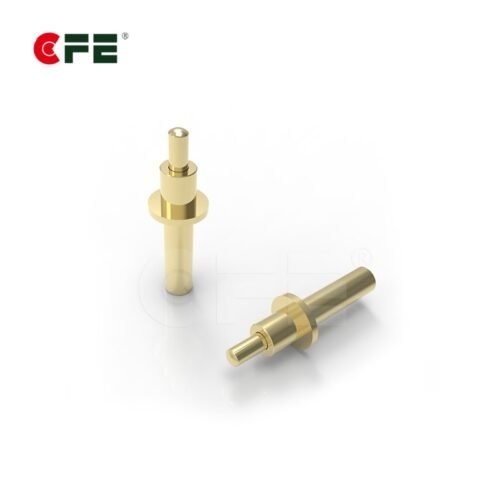
Pogo pin connectors, also known as spring-loaded connectors, consist of a plunger, barrel, and spring mechanism. These components allow the pin to compress and maintain consistent electrical contact even under movement or vibration.
They are commonly used for:
- Charging interfaces
- Data transfer
- Docking stations
- Battery connections
Their compact and flexible design makes them ideal for small electronic devices like wearables.
Key Reasons Pogo Pin Connectors Are Used in Wearable Devices

1. Compact and Space-Saving Design
Wearable devices demand ultra-compact components due to limited internal space. Pogo pins are designed with minimal footprint, allowing engineers to maximize functionality without increasing device size.
Why it matters for Europe:
European consumers prefer sleek, lightweight, and aesthetically pleasing devices. Pogo pins help manufacturers meet these expectations.
2. Reliable Electrical Connection
Pogo pins provide a stable and consistent electrical connection thanks to their spring-loaded mechanism. Even when the device moves (e.g., during exercise), the connection remains intact.
Benefits:
- Reduced signal loss
- Consistent charging performance
- Improved device reliability
3. Durability and Long Lifespan
Wearables are used daily, often in harsh conditions like sweat, dust, and temperature changes. Pogo pin connectors are designed for high durability, often rated for tens of thousands of cycles.
Key advantages:
- Wear-resistant materials (e.g., gold plating)
- Corrosion resistance
- Long operational life
4. Easy Docking and Charging
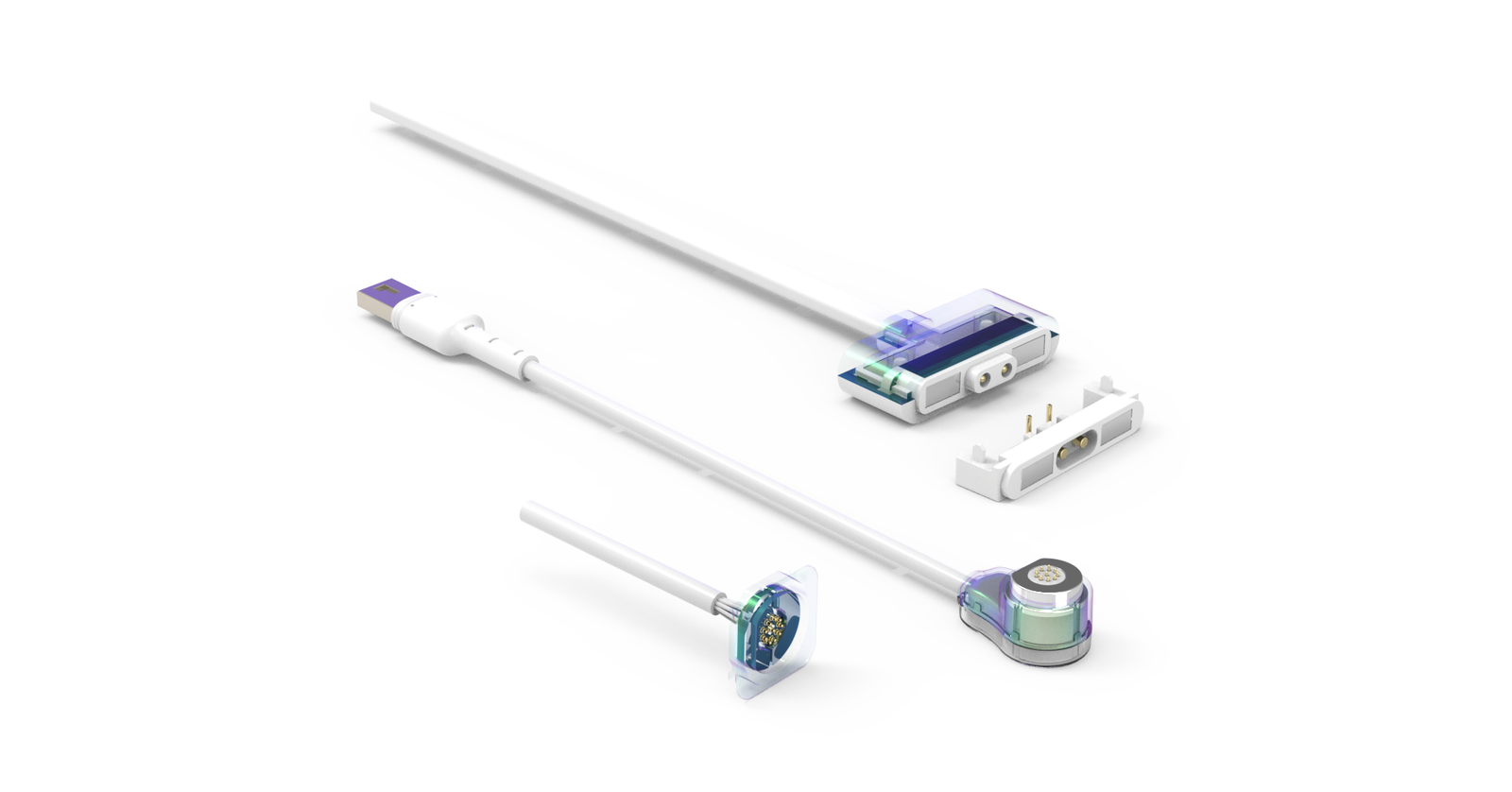
Unlike traditional connectors (like USB ports), pogo pins enable seamless docking solutions. Users simply place the device on a charging dock—no need to plug in cables.
User experience benefits:
- Convenience
- Reduced wear on ports
- Faster alignment and connection
This is especially popular in premium wearable devices across European markets.
5. Water and Dust Resistance (IP Ratings)
Many wearable devices require high IP ratings (e.g., IP67 or IP68) for water and dust resistance. Traditional open ports can compromise sealing, but pogo pins help eliminate this issue.
How pogo pins help:
- No open port exposure
- Easier sealing of device housing
- Better protection against moisture and debris
6. Design Flexibility for Manufacturers
Pogo pins can be customized in various shapes, sizes, and configurations, making them highly adaptable for different wearable designs.
Customization options include:
- Pin length and diameter
- Spring force
- Contact plating materials
- Multi-pin arrays
This flexibility is crucial for European OEMs focusing on innovation and product differentiation.
7. Cost-Effective in Mass Production
Although pogo pins may seem specialized, they are cost-effective when used in large-scale manufacturing. Their durability reduces warranty claims and maintenance costs.
Economic benefits:
- Lower long-term costs
- Reduced failure rates
- Efficient assembly processes
Applications of Pogo Pin Connectors in Wearables
Pogo pins are used in a wide range of wearable devices, including:
- Smartwatches
- Fitness trackers
- Wireless earbuds charging cases
- Medical wearables (e.g., heart rate monitors)
- Smart rings and health sensors
Their versatility makes them a standard choice in modern wearable technology.
Why They Matter for the European Market
The European market is known for strict quality standards, sustainability concerns, and high user expectations. Pogo pin connectors align well with these requirements:
- Compliance with durability standards
- Support for eco-friendly designs (long lifespan = less waste)
- Enhanced user convenience and product reliability
Manufacturers targeting Europe must prioritize performance and design excellence—areas where pogo pins excel.
Conclusion
Pogo pin connectors play a crucial role in the success of wearable devices. Their compact design, reliable performance, durability, and user-friendly charging capabilities make them an ideal solution for modern electronics.
For businesses aiming to compete in the European market, integrating high-quality pogo pin connectors can significantly enhance product appeal, performance, and longevity.
As wearable technology continues to evolve, pogo pins will remain a key component driving innovation and user satisfaction.
FAQs
1. Are pogo pin connectors safe for wearable devices?
Yes, they are designed with high-quality materials and provide safe, stable electrical connections.
2. How long do pogo pin connectors last?
They can last for tens of thousands of cycles, depending on design and usage.
3. Do pogo pins support fast charging?
Yes, properly designed pogo pins can handle high current for fast charging applications.
4. Are pogo pins waterproof?
While the pins themselves are not waterproof, they enable designs that improve overall device water resistance.