Introduction
Pogo pin connectors, also known as spring-loaded connectors, are widely used in modern electronic devices for reliable and compact electrical connections. From wearable devices and smartphones to medical equipment and industrial tools, these connectors play a crucial role in ensuring efficient power and signal transfer.
But not all pogo pin connectors are the same. They come in various types, designs, and configurations, each tailored to specific applications and performance requirements. Understanding these types is essential for engineers, designers, and manufacturers who want to optimize performance and durability.
In this comprehensive guide, we will explore the different types of pogo pin connectors available, their features, applications, and how to choose the right one.
What Are Pogo Pin Connectors?
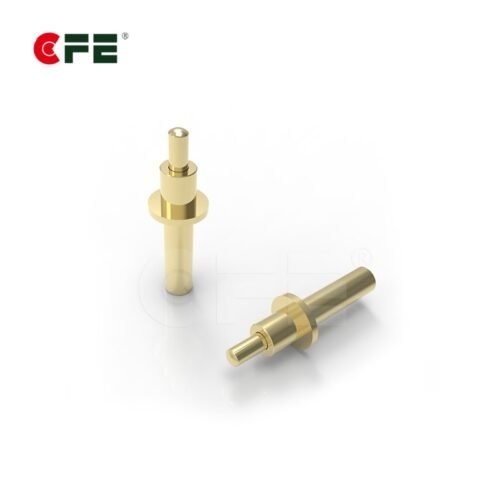
Pogo pin connectors are spring-loaded electrical connectors that consist of three main components:
- A plunger (movable pin)
- A barrel (housing)
- A spring (provides contact force)
These components work together to create a reliable electrical connection even under vibration or repeated use. Their compact size and durability make them ideal for modern electronics.
Types of Pogo Pin Connectors
Standard Pogo Pin Connectors
Standard pogo pins are the most commonly used type. They feature a simple cylindrical design and are typically used in:
- PCB testing
- Charging docks
- Consumer electronics
Key Features
- Simple design
- Cost-effective
- Easy to integrate
Surface Mount (SMT) Pogo Pin Connectors
Surface Mount Technology (SMT) pogo pins are designed for direct mounting onto printed circuit boards (PCBs).
Applications
- Smartphones
- Wearables
- Compact electronic devices
Advantages
- Space-saving
- Automated assembly compatibility
- Strong mechanical stability
Through-Hole Pogo Pin Connectors
Through-hole pogo pins are mounted by inserting leads through holes in the PCB.
Best For
- High-strength applications
- Industrial electronics
Benefits
- Stronger mechanical connection
- Better durability under stress
Magnetic Pogo Pin Connectors
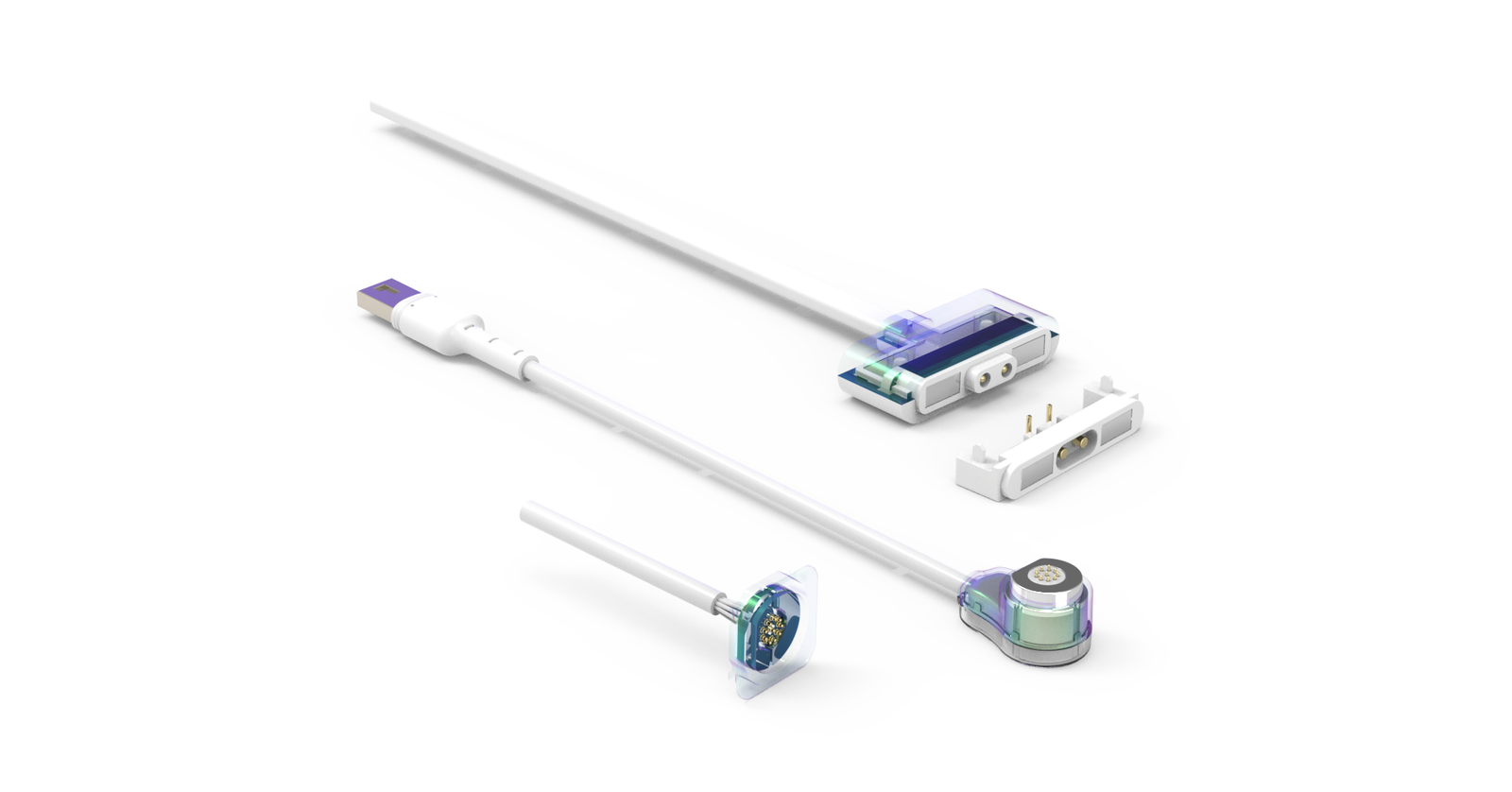
Magnetic pogo pin connectors combine pogo pins with magnets to ensure proper alignment and easy connection.
Common Uses
- Charging cables
- Smartwatches
- Medical devices
Advantages
- Easy connection/disconnection
- Reduced wear and tear
- Improved user experience
Waterproof Pogo Pin Connectors
These connectors are designed with sealing features to resist water, dust, and environmental damage.
Applications
- Outdoor devices
- Medical equipment
- Industrial tools
Features
- IP-rated protection
- Corrosion resistance
- Long lifespan
High-Current Pogo Pin Connectors
High-current pogo pins are designed to carry larger electrical loads.
Where They Are Used
- Battery charging systems
- Power modules
- Industrial machinery
Benefits
- High conductivity
- Heat resistance
- Reliable performance under load
Fine Pitch Pogo Pin Connectors
Fine pitch pogo pins are used when space is limited and high-density connections are required.
Applications
- Miniaturized electronics
- Wearables
- Compact PCBs
Advantages
- High-density layout
- Precision engineering
- Suitable for advanced electronics
Double-Ended (Dual) Pogo Pin Connectors
These connectors have contact points on both ends, allowing connections between two surfaces.
Common Uses
- Board-to-board connections
- Modular devices
Key Features
- Versatile design
- Reduced need for additional connectors
- Efficient signal transmission
Custom Pogo Pin Connectors

Custom pogo pins are designed according to specific requirements such as shape, size, current rating, or environment.
Best For
- Specialized industries
- Unique product designs
Advantages
- Tailored solutions
- Optimized performance
- Enhanced compatibility
Key Factors to Consider When Choosing Pogo Pin Connectors
Selecting the right pogo pin connector depends on several important factors:
Current Rating
Ensure the connector can handle the required electrical load.
Contact Resistance
Lower resistance ensures better performance and efficiency.
Durability
Check the number of mating cycles the connector can withstand.
Environmental Conditions
Consider waterproofing, dust resistance, and temperature tolerance.
Size and Pitch
Choose based on available space and design requirements.
Advantages of Using Pogo Pin Connectors
- Reliable electrical connection
- Compact and space-saving design
- High durability and long lifespan
- Easy integration into modern devices
- Resistance to vibration and shock
Applications of Pogo Pin Connectors
Pogo pin connectors are used across various industries:
- Consumer electronics (smartphones, wearables)
- Medical devices
- Automotive systems
- Industrial equipment
- Aerospace and defense
FAQs
Q1: What is the most common type of pogo pin connector?
Standard pogo pin connectors are the most widely used due to their simplicity and cost-effectiveness.
Q2: Are pogo pin connectors waterproof?
Not all, but waterproof pogo pin connectors are specifically designed for harsh environments.
Q3: Can pogo pins handle high current?
Yes, high-current pogo pins are designed for power applications and can handle larger loads.
Q4: What is the lifespan of a pogo pin connector?
Most pogo pins can last between 10,000 and 1,000,000 cycles, depending on quality and usage.
Q5: Where are magnetic pogo pin connectors used?
They are commonly used in charging devices, wearables, and medical equipment for easy alignment.
Conclusion
Pogo pin connectors are essential components in modern electronics, offering reliable and efficient connectivity solutions. With various types available—ranging from standard and SMT to magnetic and waterproof designs—each serves a unique purpose.
Choosing the right type of pogo pin connector depends on your application requirements, including current capacity, environmental conditions, and design constraints. By understanding these types and their features, you can make informed decisions that enhance product performance and durability.