Introduction: Why Engineers in Europe Are Talking About Pogo Pins
In modern electronics manufacturing across the EU, efficiency, precision, and durability are everything. Whether in Germany’s automotive industry, France’s aerospace systems, or consumer electronics hubs in the Netherlands, one small but powerful component is becoming increasingly essential: pogo pin connectors.
These spring-loaded connectors are revolutionizing how Printed Circuit Boards (PCBs) are tested, charged, and connected during production and final product design. But what exactly are they used for in PCB design, and why are they gaining so much popularity in Europe?
Let’s explore in detail.
What Are Pogo Pin Connectors? A Quick Overview
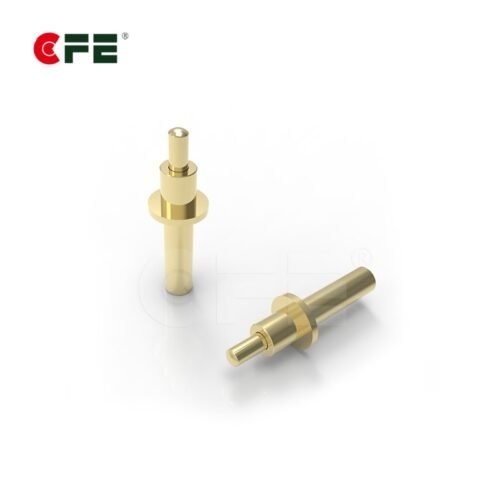
Pogo pin connectors are spring-loaded electrical contact pins used to create temporary or permanent connections between electronic components and PCBs.
They consist of three main parts:
- A plunger (contact tip)
- A barrel (housing)
- A spring (for pressure-based contact)
When pressure is applied, the pin compresses and forms a reliable electrical connection.
Why Pogo Pins Are Critical in PCB Design
In PCB design and manufacturing, precision testing and reliable connectivity are crucial. Pogo pins offer a flexible and reusable connection solution without soldering.
Key Role in PCB Systems:
- Temporary electrical connections during testing
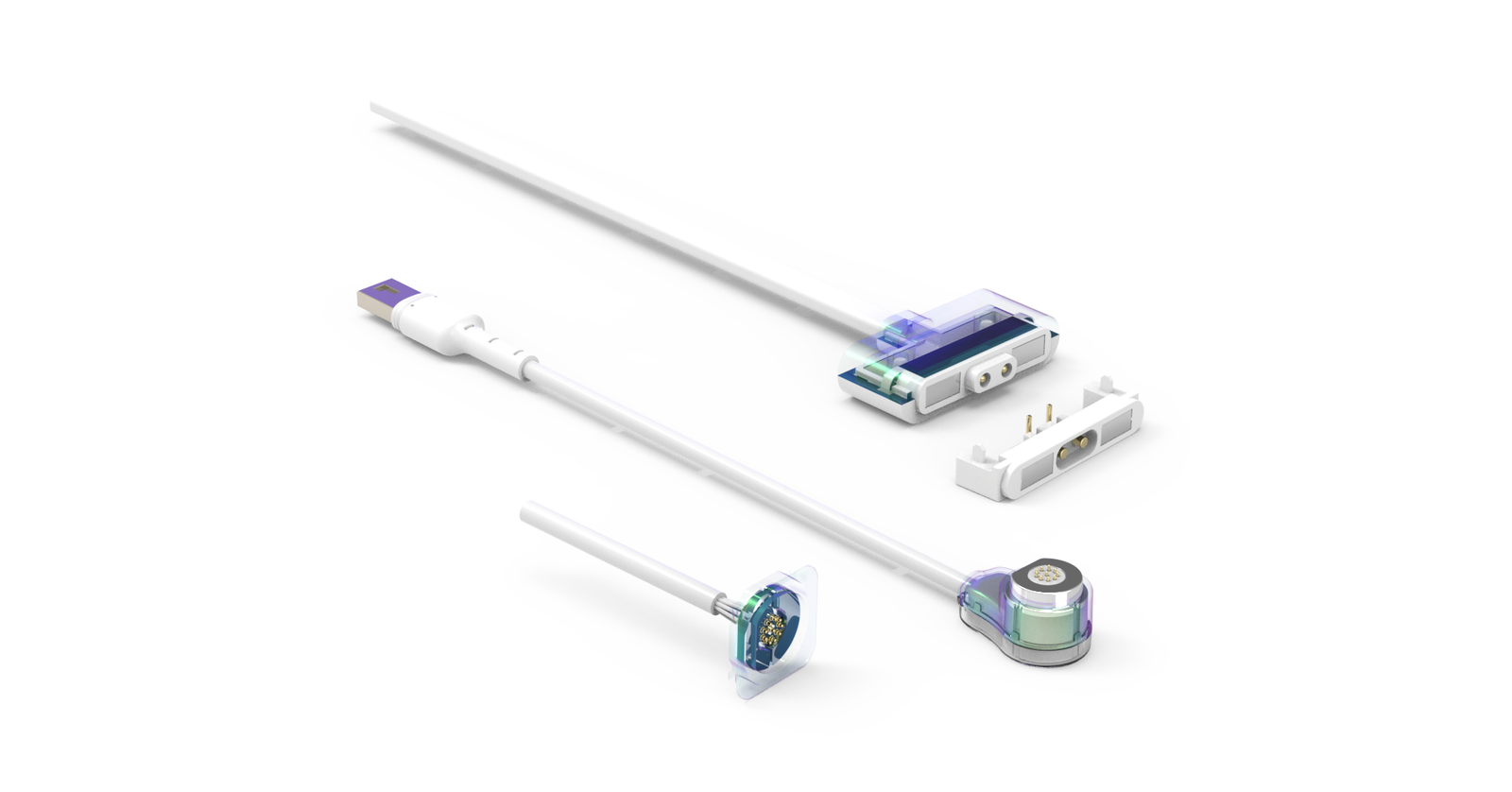
- Charging interfaces in compact devices
- Programming and debugging circuits
- Modular product assembly systems
Why EU Manufacturers Prefer Pogo Pins
Across Europe, manufacturers prioritize automation, safety compliance (CE standards), and long-term product reliability. Pogo pins align perfectly with these requirements.
1. High Reliability for Industrial Standards
In Germany and Switzerland, industrial electronics demand stable and repeatable connections. Pogo pins maintain consistent pressure contact, reducing failure rates.
2. RoHS & EU Compliance Compatibility
Most pogo pin materials comply with RoHS environmental standards, making them suitable for EU manufacturing regulations.
3. Automation-Friendly Design
Factories in Poland and Eastern Europe increasingly use automated test rigs. Pogo pins integrate easily into these systems.
Primary Uses of Pogo Pin Connectors in PCB Design

1. PCB Testing and Quality Assurance (QA)
One of the most common uses is in automated test fixtures (ATE systems).
Why they matter:
- Fast connection without soldering
- High repeatability for mass production
- Reduced wear on PCB pads
In large-scale EU electronics factories, pogo pins are used thousands of times daily without performance loss.
2. Programming and Debugging PCBs
During development, engineers need quick access to microcontrollers.
Pogo pins allow:
- Firmware flashing
- Debugging without permanent connectors
- Fast prototyping cycles
This is especially important in EU startup ecosystems like Berlin and Stockholm.
3. Charging Interfaces in Compact Devices
Modern devices like:
- Smart wearables
- Medical devices
- IoT sensors
Use Pogo pin connectors for charging docks because they are:
- Space-saving
- Durable
- Easy to align
4. Modular Electronics Assembly
European manufacturers increasingly design modular systems for easier repair and upgrade.
Pogo pins allow:
- Snap-on PCB modules
- Tool-free assembly
- Reduced production cost
5. Automotive Electronics Applications
The EU automotive industry (especially in Germany and France) uses pogo pins in:
- ECU testing
- Sensor calibration systems
- Infotainment module testing
Their vibration resistance makes them ideal for automotive environments.
Advantages That Make Pogo Pins Stand Out
No Soldering Required
Reduces production time and complexity.
Long Lifespan
High-quality pogo pins can withstand over 100,000 cycles.
Compact Design
Perfect for miniaturized electronics.
Strong Electrical Conductivity
Ensures minimal signal loss.
Flexible Integration
Can be used in almost any PCB layout.
Challenges and Design Considerations
Despite their advantages, engineers must consider:
- Proper alignment in fixtures
- Contact resistance over time
- Spring fatigue in low-quality pins
- Environmental exposure (dust, humidity)
EU manufacturers typically solve these with precision-machined housings and high-grade materials.
Future of Pogo Pins in European PCB Design
The future looks promising as Europe continues to invest in:
- EV technology
- IoT expansion
- Medical electronics
- Smart manufacturing (Industry 4.0)
Pogo pins are expected to become even more important in:
- Automated robotic testing
- Wireless hybrid charging systems
- Ultra-compact PCB designs
FAQs About Pogo Pin Connectors in PCB Design
1. What are pogo pin connectors used for in PCB design?
They are used for testing, charging, programming, and temporary electrical connections in PCB systems.
2. Are pogo pins permanent or temporary connectors?
They are mostly temporary but can be used in semi-permanent docking systems.
3. Why are pogo pins popular in Europe?
Because they meet EU standards, support automation, and improve manufacturing efficiency.
4. Can pogo pins handle high current?
Yes, but it depends on design size and material quality.
5. Where are pogo pins commonly used?
They are widely used in automotive electronics, consumer devices, medical equipment, and industrial testing systems.
Conclusion: Why Pogo Pins Are Essential in Modern PCB Design
Pogo pin connectors are no longer just a niche component—they are a vital part of modern PCB design and manufacturing, especially in the European market.
Their ability to deliver fast, reliable, and repeatable connections makes them indispensable in testing, charging, and modular electronics systems. As EU industries continue moving toward automation and miniaturization, pogo pins will remain a key enabling technology in next-generation electronics.