Introduction
Choosing the right electrical contact—pogo pin or spring connector—can make or break a product. Both are compression-style contacts that provide temporary or repeatable electrical connections, but they differ in design, performance, and suitable applications. This guide breaks down the technical differences, real-world pros and cons, and decision-making tips so you can select the best option for your product, prototype, or production run.
What is a Pogo Pin?
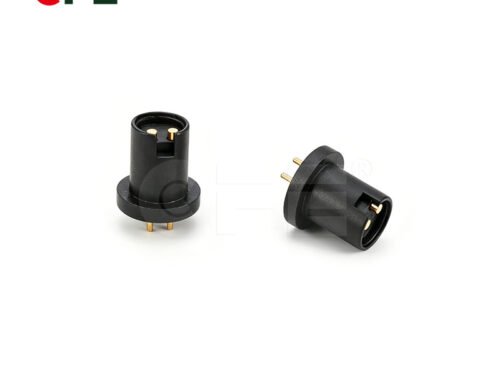
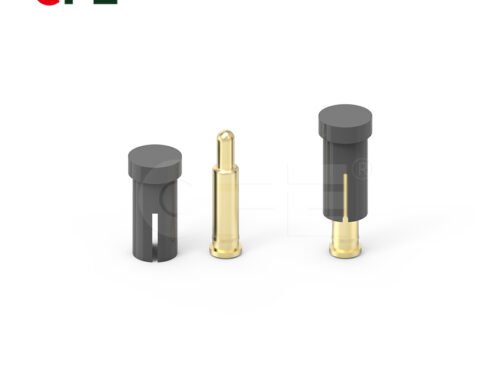
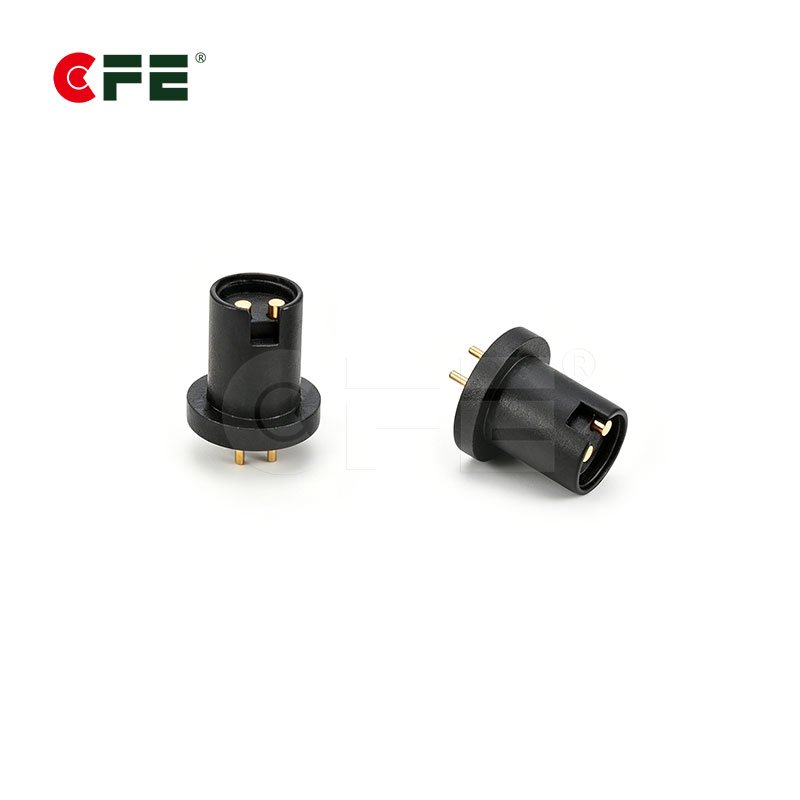
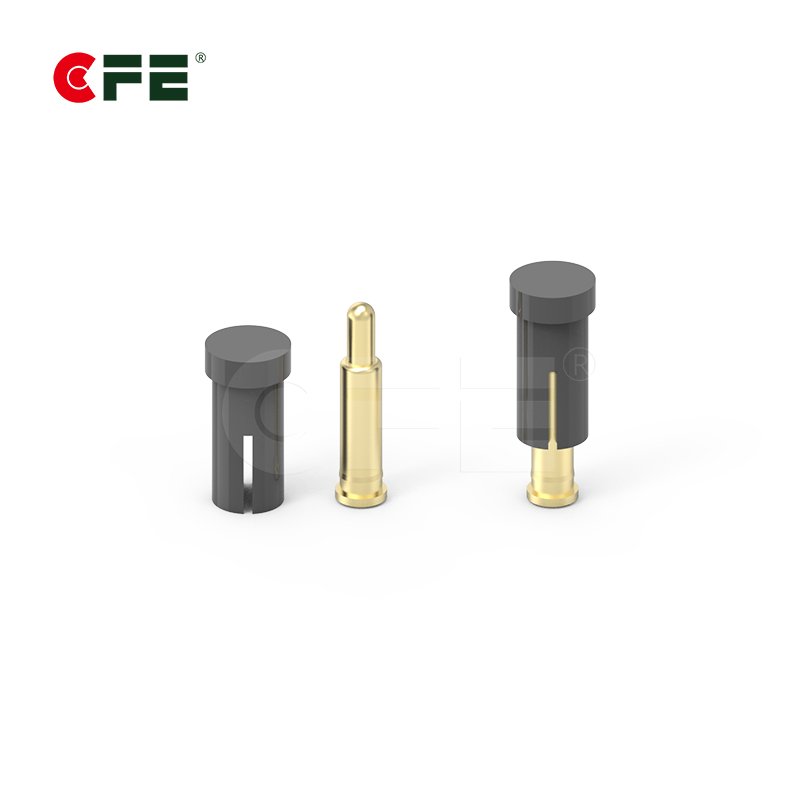
A pogo pin (also called a spring-loaded contact) is a small cylindrical contact with an internal spring. When pressed, the pin retracts slightly and maintains force against the mating surface. Pogo pins are widely used in docking stations, test fixtures, battery chargers, and modular electronics where repeated mating cycles are required.

Key characteristics:
-
Compact, precise design.
-
High repeatability and alignment-friendly tip shapes.
-
Often gold-plated for low resistance and corrosion resistance.
What is a Spring Connector?
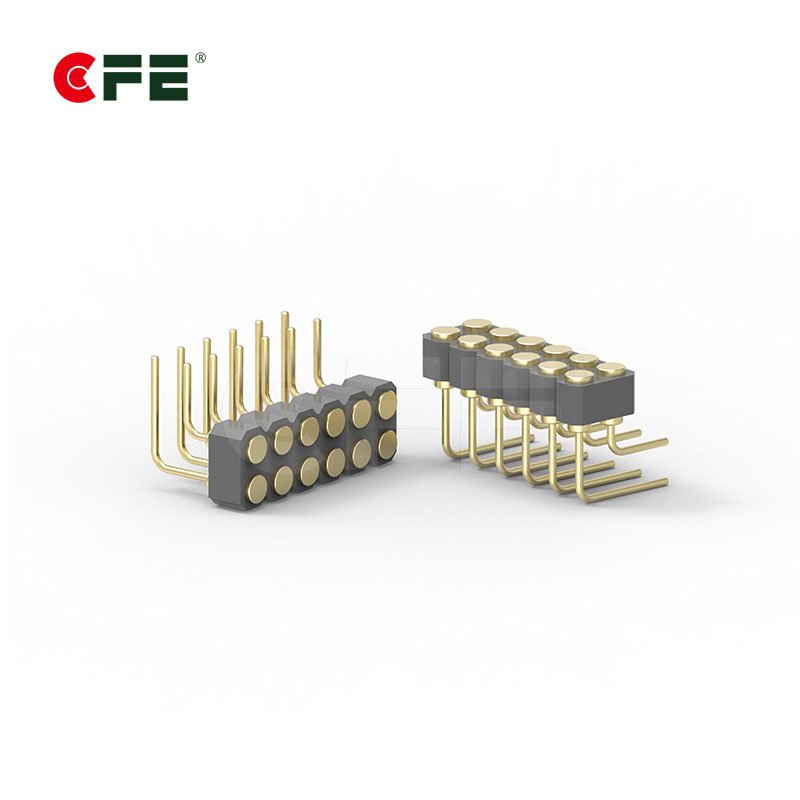
A spring connector (sometimes called a spring clip or spring terminal) broadly refers to contacts that use a spring mechanism to clamp or press against a mating surface. They come in various shapes—fork, clip, or leaf springs—and are used in PCB terminals, battery holders, wire-to-board contacts, and larger current paths.

spring loaded pogo pin 4
Key characteristics:
-
Versatile shapes for different mechanical needs.
-
It can handle larger currents when designed with a bigger contact area.
-
Often simpler and cheaper for bulk or high-current applications.
Mechanical & Electrical Comparison
Size & Form Factor
-
Pogo Pin: Small, minimal footprint. Great for high-density arrays and precision alignment.
-
Spring Connector: Can be compact or bulky, depending on current rating; more flexible geometry.
Contact Force & Durability
-
Pogo Pin: Controlled spring force—designed for thousands to millions of cycles. Excellent for frequent mating.
-
Spring Connector: Force varies by design; heavy-duty springs can handle strong forces but may suffer fatigue if cycled excessively.
Electrical Performance
-
Pogo Pin: Low contact resistance with plated tips (often gold). Good for signal and moderate power transfer.
-
Spring Connector: Better for higher currents if the contact area is larger, but resistance depends on finish and compression.
Environmental Resistance
-
Pogo Pin: Reliable when plated; sealed versions exist for harsh environments.
-
Spring Connector: Simpler designs may allow more contaminant ingress; plating and sealing improve resilience.
Cost & Manufacturing
-
Pogo Pin: Higher unit cost, especially for precision, plated variants, and custom tip geometries.
-
Spring Connector: Often less expensive in bulk and easier to produce for simple contacts.
Typical Applications
Best for Pogo Pins:
-
Programming and test fixtures (automated test equipment).
-
Device docking stations and cradle connections.
-
Modular, hot-pluggable components.
-
Applications requiring high cycle life and precise alignment.
Best for Spring Connectors:
-
Battery contacts in consumer devices.
-
Wire-to-board and board-to-board power interconnects.
-
Applications need higher current capacity at a lower cost.
-
Situations where a robust mechanical clamp is needed.
Design Considerations (How to Choose)
-
Cycle Life Needs: If you expect thousands to millions of mating cycles, prioritize pogo pins.
-
Contact Area & Current: For higher continuous current, choose a spring connector with a larger contact area.
-
Space Constraints: For dense layouts and miniaturized devices, pogo pins usually win.
-
Cost Targets: For low-cost, high-volume products with limited cycles, spring connectors are an attractive option.
-
Environmental Factors: If exposure to dust, moisture, or corrosion is likely, select plated contacts and consider sealing options.
-
Precision & Alignment: If your design requires precise alignment or arrays of many contacts, pogo pins are simpler to align and support.
Practical Tips for Implementation
-
Tip Geometry: Use domed or conical pogo tips for improved penetration of oxides on mating surfaces. Flat tips may be better for low-wear contacts.
-
Plating: Gold plating reduces contact resistance and corrosion; consider it for signal-critical or low-voltage designs.
-
Spring Force: Avoid excessive force, which can damage mating surfaces; choose a spring force optimized for your application.
-
Guides & Alignment: Add mechanical guides or housings for pogo arrays to prevent misalignment and uneven contact force.
-
Maintenance: For long-term reliability, inspect and clean contact surfaces periodically in high-cycle or harsh environments.
Pros & Cons Summary
Pogo Pins — Pros
-
High precision and repeatability
-
Excellent cycle life
-
Low resistance when plated
-
Compact and ideal for dense arrays
Pogo Pins — Cons
-
Higher cost per unit
-
Limited to moderate current levels unless specially designed
Spring Connectors — Pros
-
Cost-effective for many power applications
-
Can handle higher currents with a larger contact area
-
Flexible designs for varied mechanical needs
Spring Connectors — Cons
-
Variable cycle life depending on design
-
May be bulkier for high-current designs
-
Potentially higher resistance if not plated or properly designed
FAQs
Q1: Can pogo pins carry power?
A1: Yes—pogo pins can carry power, but they’re typically used for low to moderate currents. For higher currents, use specially designed pogo contacts or spring connectors with larger contact areas.
Q2: Which offers better cycle life?
A2: Generally, pogo pins offer better cycle life because they’re engineered for repeated mating with controlled spring characteristics.
Q3: Are pogo pins better for signal integrity?
A3: Yes. Pogo pins with gold plating and tight tolerances provide low resistance and stable signal contacts.
Q4: Do spring connectors require maintenance?
A4: Some designs may require inspection and cleaning in harsh environments to maintain reliable contact over time.
Q5: Can I mix both in one design?
A5: Absolutely. Many designs use pogo pins for signal and alignment, and spring connectors for power, balancing cost and performance.
Conclusion
There’s no one-size-fits-all winner between pogo pins and spring connectors. Select pogo pins when you require precision, high cycle life, and densely packed contact arrays. Choose spring connectors when cost, current capacity, and mechanical robustness are the priority. Often the best solution uses both—pogo pins for signals and alignment, and spring connectors for power—giving your product the right balance of performance, durability, and cost.
If you’d like, I can draft a component selection checklist or a BOM-ready spec sheet tailored to your product. Just tell me your device’s mating cycles, current requirements, and space constraints.