In modern electronics, connectivity is everything. Whether it is a medical device, consumer gadget, automotive system, industrial equipment, or IoT application, the quality of your connector directly affects performance and reliability.
Among the many connection solutions available today, pogo pin connectors have become one of the most trusted options for applications requiring compact size, repeated connection cycles, and reliable electrical contact.
However, selecting the right pogo pin connector is not as simple as choosing any standard component. Every application has unique requirements, including current capacity, mechanical durability, environmental resistance, pitch size, and mating cycles.
This guide will help engineers, designers, and product developers understand how to choose the right pogo pin connector for their application.
What Is a Pogo Pin Connector?
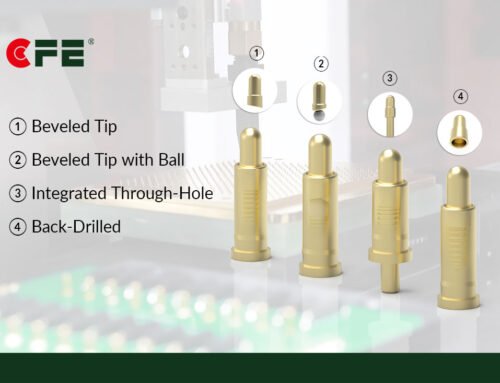
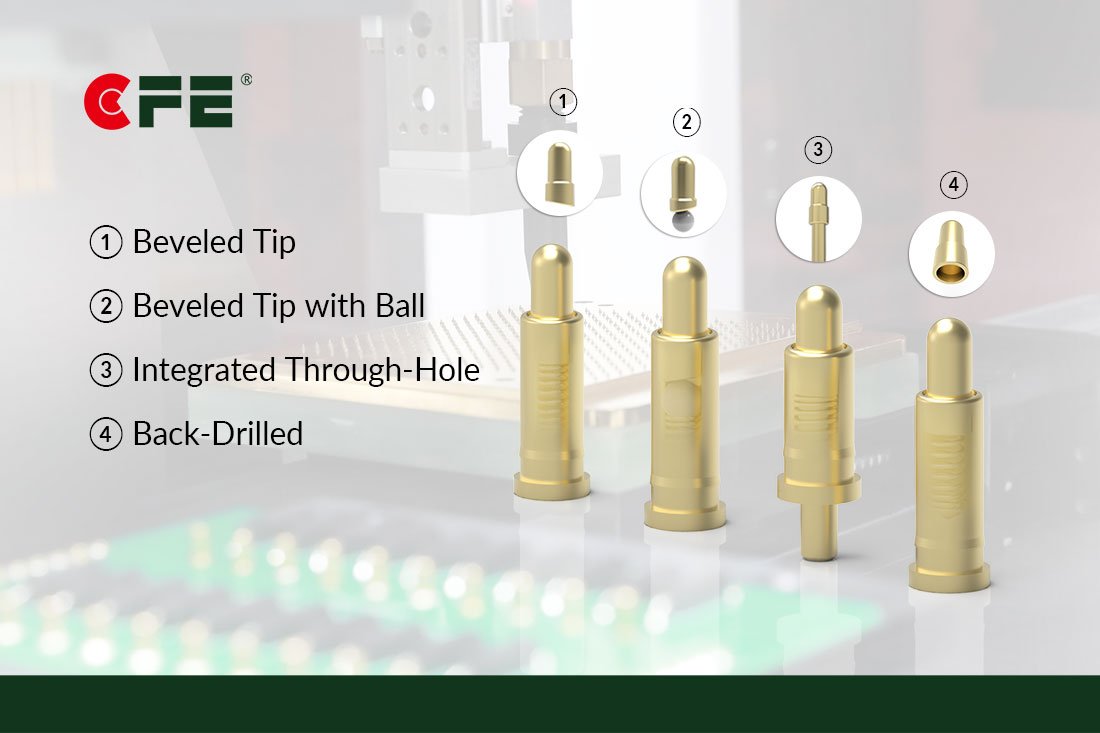
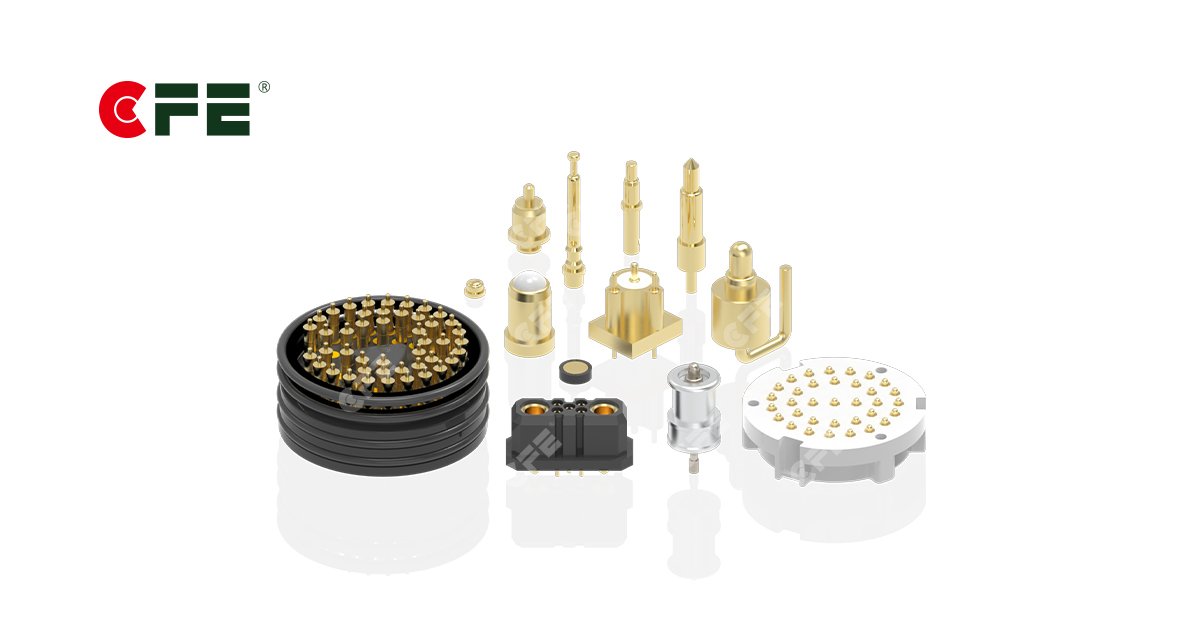
A pogo pin connector is a spring-loaded electrical connector designed to establish temporary or semi-permanent electrical contact between two surfaces.
It consists of three primary components:
- Plunger
- Spring
- Barrel
The spring-loaded design ensures consistent contact force, making pogo pins ideal for applications requiring repeated connection and disconnection.
They are commonly used in:
- Charging docks
- Smart wearables
- Medical devices
- Automotive electronics
- Test equipment
- Consumer electronics
- IoT products
Why Choosing the Right Pogo Pin Connector Matters
Selecting the wrong pogo pin connector can result in:
- Poor electrical performance
- Connection instability
- Mechanical failure
- Reduced product lifespan
- Increased maintenance costs
A properly selected pogo pin connector ensures:
- Stable electrical transmission
- Long-term durability
- Compact integration
- High mating cycle performance
- Enhanced product reliability
Key Factors to Consider When Choosing a Pogo Pin Connector
1. Define Your Application Requirements
Start by understanding your application.
Ask yourself:
- What is the connector’s purpose?
- Is it for charging, signal transmission, or data transfer?
- Will it be connected frequently?
- Will it operate in harsh environments?
For example:
A medical monitoring device may require corrosion resistance and precision contact.
An industrial testing fixture may prioritize durability and high cycle life.
2. Current Rating and Electrical Performance
One of the most important factors is the current carrying capacity.
Different pogo pins support different current loads.
Low-current applications:
Suitable for signal transmission and low-power electronics.
High-current applications:
Required for charging systems and power delivery applications.
Key specifications to review:
- Rated current
- Contact resistance
- Voltage rating
- Signal integrity
Choosing a connector with insufficient current capacity can cause overheating and reduced efficiency.
3. Mechanical Durability and Mating Cycles
Pogo pin connectors are often selected for repeated use.
Mating cycle refers to the number of insertion and removal operations the connector can withstand.
Typical cycle ratings:
- 10,000 cycles
- 50,000 cycles
- 100,000+ cycles
Applications like docking stations or test equipment need connectors with high durability.
Consider:
- Spring fatigue resistance
- Plating wear resistance
- Structural stability
4. Contact Force
Contact force determines the pressure applied when the pin connects.
Too little force may cause unstable contact.
Too much force may:
- Damage mating surfaces
- Increase wear
- Complicate assembly
The right contact force depends on:
- Surface material
- Application vibration
- Required signal reliability
Balanced force ensures dependable performance.
5. Pitch and Connector Size
Space limitations often dictate connector design.
Pitch refers to the distance between adjacent pins.
Smaller pitch:
- Saves board space
- Supports miniaturized products
Larger pitch:
- Easier manufacturing
- Better current handling
Choose based on your PCB layout and product dimensions.
6. Environmental Conditions
Will the connector be exposed to:
- Moisture?
- Dust?
- Extreme temperatures?
- Chemicals?
- Vibration?
For harsh environments, choose pogo pin connectors with:
Gold Plating
Improves corrosion resistance and conductivity.
Sealed Design
Protects against dust and moisture.
High-Temperature Materials
Suitable for industrial and automotive systems.
Environmental resistance is crucial for long-term reliability.
7. Mounting Method
Pogo pin connectors come in several mounting styles:
Surface Mount (SMT)
Ideal for automated PCB assembly.
Benefits:
- Compact
- Cost-efficient
- High production speed
Through-Hole
Provides stronger mechanical stability.
Best for:
- High-stress applications
- Industrial devices
Cable Assembly
Used when flexibility is required.
Select mounting based on manufacturing process and mechanical needs.
8. Signal Integrity Requirements
For high-speed data applications, connector design affects signal quality.
Important factors include:
- Impedance control
- Crosstalk reduction
- Contact resistance consistency
Applications such as:
- USB charging systems
- Data transfer docks
- RF systems
require precision-engineered pogo pin connectors.
9. Material and Plating
Material quality significantly impacts performance.
Common materials:
Brass
Good conductivity and cost-effective.
Beryllium Copper
Excellent elasticity and durability.
Stainless Steel
Used for specific structural requirements.
Plating options:
- Gold
- Nickel
- Tin
Gold plating is preferred for high-reliability applications.
10. Custom vs Standard Pogo Pin Connectors
Standard Connectors
Advantages:
- Lower cost
- Faster availability
- Proven designs
Best for common applications.
Custom Connectors
Advantages:
- Application-specific design
- Better integration
- Unique configurations
Ideal when your product has unique mechanical or electrical requirements.
Industries That Depend on Proper Pogo Pin Selection
Consumer Electronics
Smartphones, earbuds, wearables
Medical Devices
Patient monitors, portable diagnostic tools
Automotive
Battery systems, infotainment modules
Industrial Equipment
Testing fixtures, automation systems
Aerospace
Mission-critical compact connectivity
Each industry has distinct requirements.
Common Mistakes to Avoid
Ignoring Cycle Life
Shortens the connector’s lifespan.
Overlooking Environmental Factors
Causes premature failure.
Choosing Based Only on Cost
Cheap connectors often fail faster.
Incorrect Current Rating
Leads to overheating.
Poor Supplier Selection
Quality inconsistencies can affect performance.
How to Work with a Reliable Pogo Pin Connector Manufacturer
Choosing the right manufacturer is as important as selecting the connector itself.
Look for suppliers that offer:
- Engineering support
- Customization options
- Quality certifications
- Prototype testing
- Reliable lead times
A trusted supplier can help optimize connector performance for your exact application.
Future Trends in Pogo Pin Connector Technology
The industry continues to evolve.
Emerging trends include:
Higher Current Capacity
For fast charging systems
Smaller Form Factors
For compact wearables
Enhanced Durability
For demanding environments
Better Signal Performance
For high-speed electronics
Selecting future-ready connectors helps ensure product longevity.
FAQs
What is the lifespan of a pogo pin connector?
Most high-quality pogo pin connectors last between 10,000 and 100,000 mating cycles, depending on design.
Are pogo pin connectors suitable for high-current applications?
Yes, specially designed high-current pogo pins can support significant power delivery.
Why is gold plating important?
Gold plating improves conductivity and prevents corrosion.
Can pogo pin connectors be customized?
Yes, many manufacturers offer custom configurations based on application requirements.
Are pogo pin connectors waterproof?
Some sealed pogo pin designs offer water and dust resistance.
Conclusion
Choosing the right pogo pin connector for your application is essential for achieving reliable performance, durability, and efficiency.
The ideal connector depends on multiple factors, including electrical requirements, environmental conditions, mechanical durability, mounting style, and design constraints.
By carefully evaluating these specifications and working with a reliable manufacturer, you can ensure optimal performance for your electronic product.
Whether you are designing a medical device, industrial system, wearable product, or charging solution, the right pogo pin connector can significantly improve reliability and user experience.