
Pogo Pin vs Spring Contact Connectors: Which Is Better?
In today’s fast-evolving electronics industry, reliable electrical connections are critical for product performance, durability, and efficiency. Whether designing consumer electronics, medical devices, automotive systems, industrial control systems, or charging docks, engineers often face an important question:
Should you choose pogo pin connectors or spring contact connectors?
At first glance, these two connector types may seem identical because both rely on spring-loaded mechanisms to establish electrical contact. However, there are key differences in design, performance, applications, durability, and cost.
Understanding the differences between pogo pin connectors vs spring contact connectors can help manufacturers, engineers, and designers make the right decision for their projects.
This guide explores everything you need to know to determine which connector is better for your application.
What Are Pogo Pin Connectors?
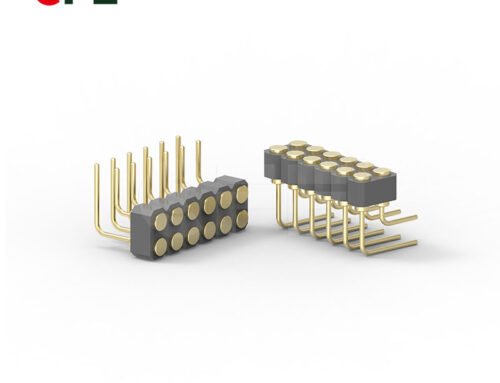
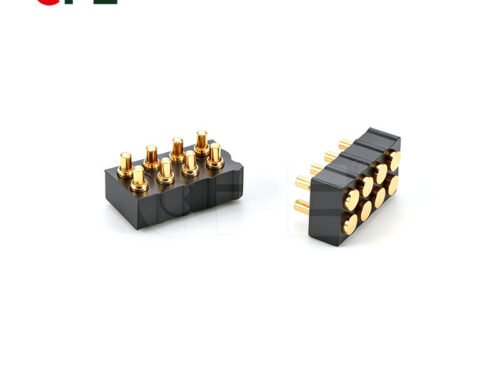
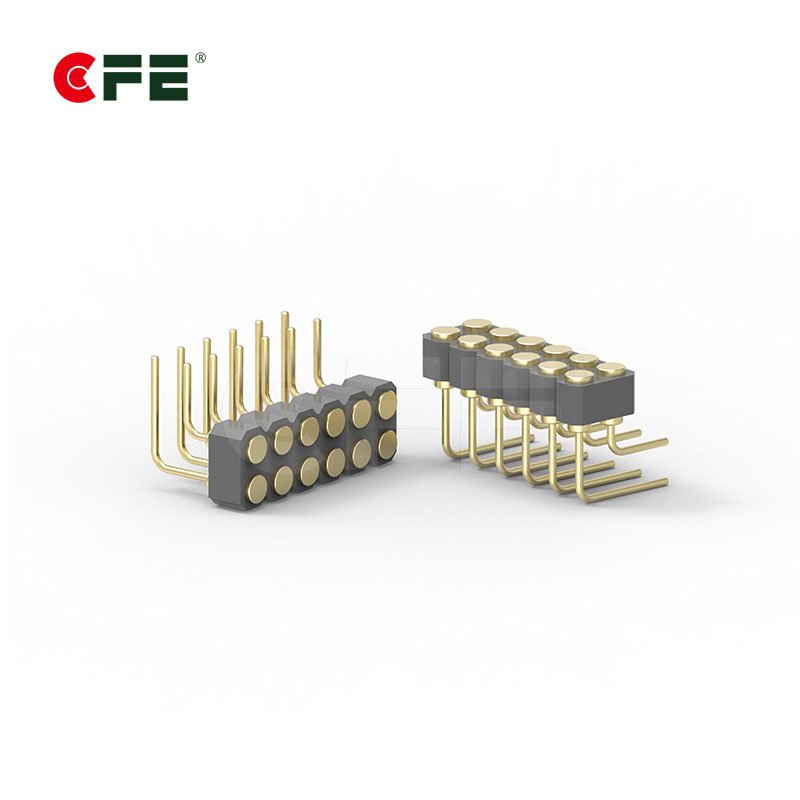
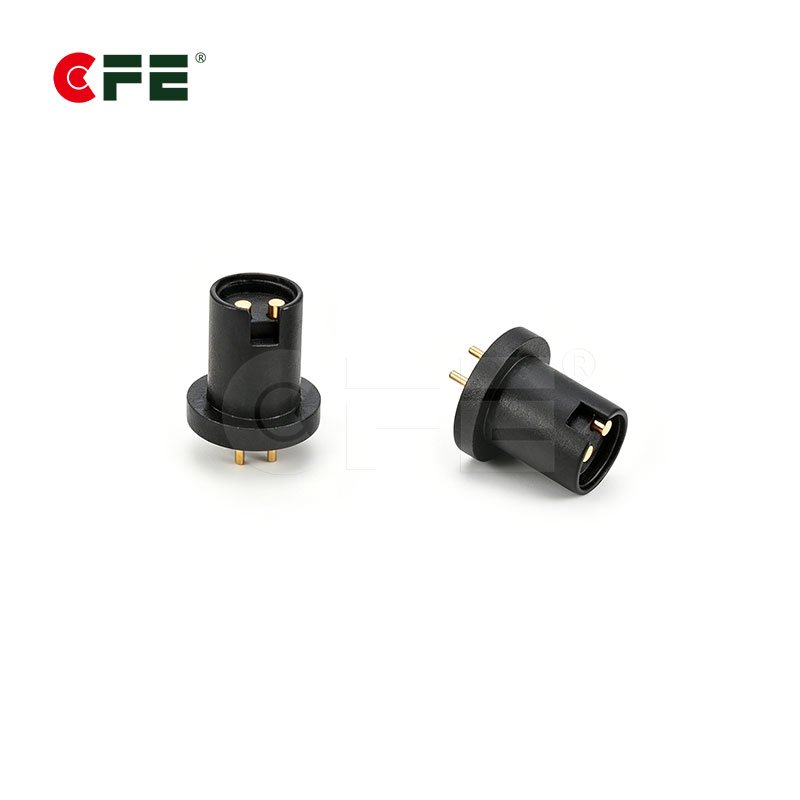
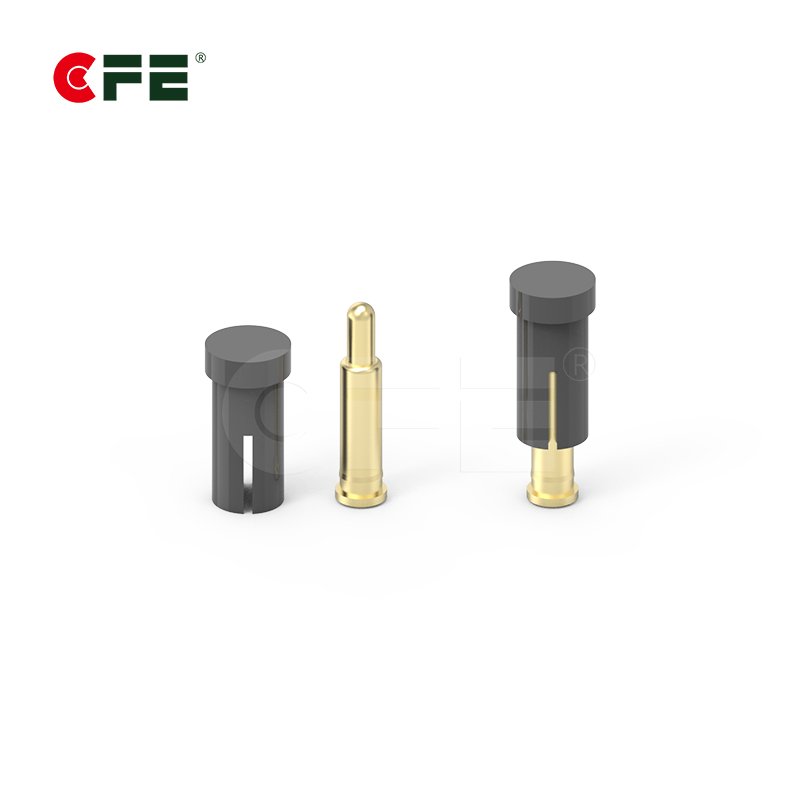
Pogo pin connectors are spring-loaded electrical connectors consisting of three primary components:
- Plunger
- Barrel
- Internal spring
These connectors create temporary yet highly reliable electrical connections through spring compression.
The spring inside the connector pushes the plunger outward. When pressed against a mating surface, the plunger retracts while maintaining consistent contact pressure.
Key Features of Pogo Pin Connectors

High Reliability
Pogo pins offer stable electrical conductivity even under repeated compression cycles.
Compact Design
Their small size makes them ideal for space-constrained applications.
Durability
High-quality pogo pins can withstand 10,000 to 1,000,000 mating cycles.
Precision Contact
Designed for exact alignment and accurate electrical transmission.
Corrosion Resistance
Often gold-plated for enhanced conductivity and oxidation resistance.
Common Applications of Pogo Pin Connectors
Pogo pin connectors are widely used in:
Consumer Electronics
- Smartwatches
- Tablets
- Smartphones
- Charging docks
Medical Devices
- Diagnostic tools
- Monitoring systems
Automotive Systems
- Battery management systems
- Sensor modules
Industrial Equipment
- Testing fixtures
- Automation devices
Aerospace
- Compact electrical interfaces
What Are Spring Contact Connectors?

Spring contact connectors are broader electrical connectors that use spring force to establish contact.
Unlike pogo pins, spring contacts may not always include a plunger-barrel assembly.
They often feature:
- Cantilever springs
- Leaf springs
- Compression springs
- Custom flexible contact mechanisms
These connectors are designed to maintain electrical contact through elastic deformation.
Key Features of Spring Contact Connectors
Flexible Design Options
Available in multiple configurations.
Lower Manufacturing Cost
Simpler designs often reduce production costs.
Broad Application Range
Suitable for both simple and complex systems.
Moderate Durability
Good lifespan depending on design and material.
Customizability
Can be shaped for unique product requirements.
Common Applications of Spring Contact Connectors
Spring contact connectors are used in:
- PCB board connections
- Battery terminals
- Docking stations
- Modular electronics
- Consumer accessories
- Wearable electronics
Pogo Pin vs Spring Contact Connectors: Detailed Comparison
1. Design Structure
Pogo Pin Connectors
Features a fully enclosed spring-loaded plunger mechanism.
Advantages:
- Controlled movement
- Consistent contact force
- Better precision
Spring Contact Connectors
Open spring-based contact structure.
Advantages:
- Design flexibility
- Lower complexity
Winner: Pogo Pin Connectors
2. Electrical Performance
Electrical conductivity determines connection quality.
Pogo Pins
Provide:
- Low contact resistance
- Stable signal transmission
- Minimal power loss
Spring Contacts
Performance varies based on design quality.
Potential drawbacks:
- Inconsistent pressure
- Variable resistance
Winner: Pogo Pin Connectors
3. Durability and Lifespan
Pogo Pin Connectors
Built for repeated cycles.
Typical lifespan:
50,000–1,000,000 cycles
Spring Contact Connectors
Usually offer fewer mating cycles.
Typical lifespan:
5,000–100,000 cycles
Winner: Pogo Pin Connectors
4. Cost
Pogo Pin Connectors
Higher manufacturing cost due to:
- Precision machining
- Gold plating
- Internal assembly complexity
Spring Contact Connectors
Generally, more affordable.
Winner: Spring Contact Connectors
5. Space Efficiency
Pogo Pins
Excellent for ultra-compact devices.
Spring Contacts
May require larger layouts.
Winner: Pogo Pin Connectors
6. Customization
Pogo Pins
Customizable, but with manufacturing limitations.
Spring Contacts
Highly adaptable for unique product designs.
Winner: Spring Contact Connectors
Advantages of Pogo Pin Connectors
Choosing pogo pins offers several benefits:
Superior Signal Integrity
Ideal for high-speed data transfer.
Reliable Mechanical Contact
Maintains stable force over time.
High Mating Cycle Life
Perfect for repeated connection/disconnection.
Compact Form Factor
Fits miniaturized electronics.
Enhanced Corrosion Resistance
Gold plating ensures longevity.
Advantages of Spring Contact Connectors
Spring contacts also provide notable benefits:
Lower Initial Cost
Suitable for budget-conscious projects.
Greater Design Freedom
Custom shapes and layouts possible.
Easier Integration
Simple designs reduce engineering complexity.
Lightweight Construction
Useful in portable devices.
Which Connector Is Better?
The answer depends on your project requirements.
Choose Pogo Pin Connectors If You Need:
- High durability
- Frequent mating cycles
- Precision electrical performance
- Compact design
- High reliability
Best for:
- Medical devices
- High-end electronics
- Test fixtures
- Charging systems
Choose Spring Contact Connectors If You Need:
- Lower cost
- Flexible design
- Simple electrical connections
- Custom mechanical structures
Best for:
- Basic PCB connections
- Battery terminals
- Cost-sensitive electronics
Industry Trends in Connector Technology
Modern electronics demand:
- Smaller components
- Higher reliability
- Faster signal transfer
- Better environmental resistance
Because of these trends, pogo pin connectors are becoming increasingly popular, especially in:
- Wearable technology
- IoT devices
- Wireless charging systems
- Portable medical devices
However, spring contact connectors remain essential where cost efficiency and custom form factors are priorities.
How to Select the Right Connector

When choosing between pogo pin vs spring contact connectors, evaluate:
Mechanical Requirements
Will the connection be repeated frequently?
Electrical Needs
Do you need stable, low resistance?
Space Constraints
How much board space is available?
Budget
What is your target production cost?
Environmental Conditions
Will it face moisture, dust, or vibration?
FAQs
Are pogo pin connectors more durable than spring contact connectors?
Yes. Pogo pin connectors typically support significantly higher mating cycles.
Are spring contact connectors cheaper?
Yes. Their simpler design usually reduces manufacturing costs.
Which connector is better for charging applications?
Pogo pin connectors are generally preferred for charging docks and magnetic charging systems.
Can spring contact connectors replace pogo pins?
In some low-cycle applications, yes. However, they may not match pogo pin reliability.
Why are pogo pins gold-plated?
Gold plating improves conductivity and prevents corrosion.
Which connector is best for wearable devices?
Pogo pin connectors are usually better because of their compact size and durability.
Conclusion
When comparing pogo pin vs spring contact connectors, there is no universal winner.
If your application demands precision, reliability, durability, and compactness, pogo pin connectors are the better investment.
If your priority is cost savings, flexibility, and simpler implementation, spring contact connectors may be the smarter choice.
For advanced electronic applications where long-term performance matters, pogo pin connectors generally outperform traditional spring contact connectors.
Selecting the right connector ultimately depends on balancing performance requirements with project budget and design constraints.