Introduction
Smart gadgets need small, sturdy connectors that are easy to use. Thanks to spring-powered contacts teamed with magnets, these connections snap into place quickly while staying strong over time. If you’re building fitness trackers, health tools, smart sensors, or everyday tech gear, this kind of link-up boosts ease of use, lets designers get creative, and cuts down on repairs.
In this piece, we take a look at pogo pin magnetic connectors – what they do, why they work well with today’s smart gadgets. We go over design choices and materials that matter, where these connectors are usually used. You’ll get handy advice on setting them up, answers to frequent questions, plus wrap it up with real-world insights so picking the right one feels easier.
What Are Pogo Pin Magnetic Connectors?

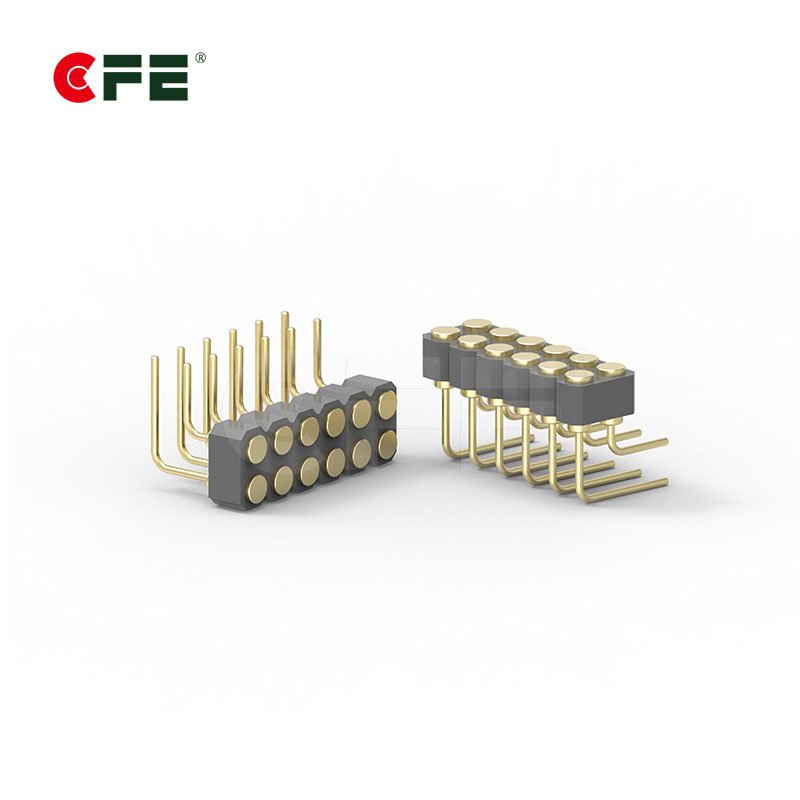
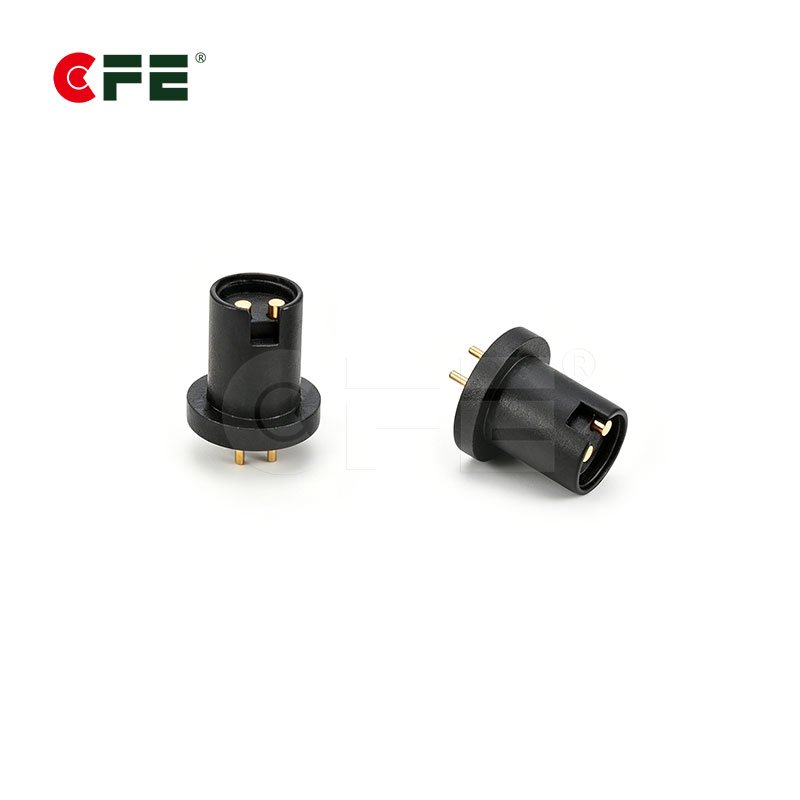
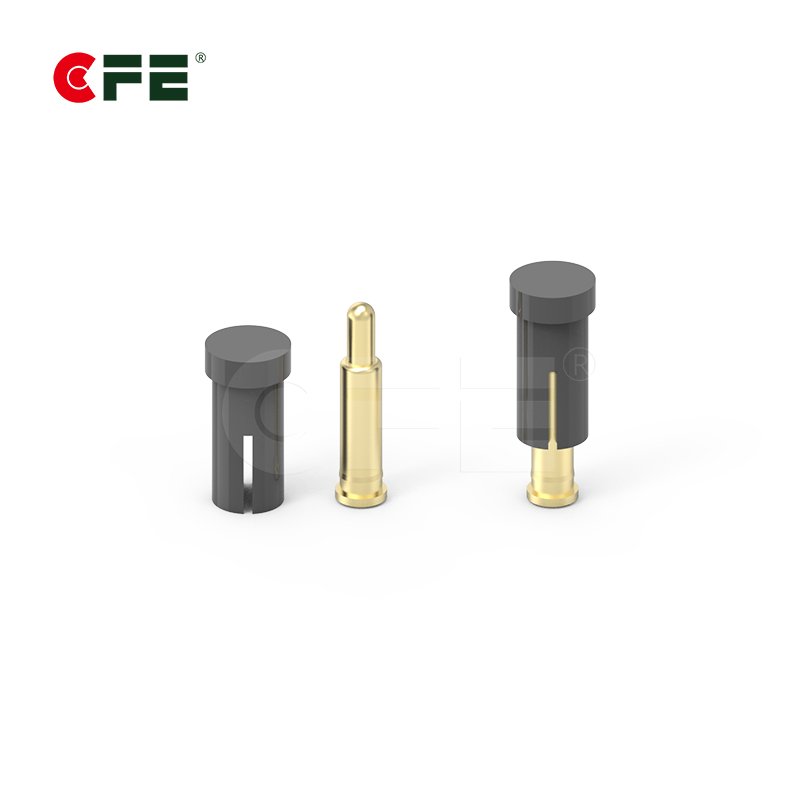
Pogo pins use a spring mechanism that squishes down when connected, keeping electricity flowing smoothly even if parts don’t line up perfectly. These magnetic versions combine the springy contacts with tiny magnets – built into the plug, socket, or both – to pull pieces together automatically and hold them tight without needing screws or clips.
key characteristics:
Spring-loaded contact adjusts automatically when parts don’t line up perfectly or sizes vary slightly – so things still work smoothly even if pieces aren’t exact.
Magnetic setup helps parts snap together right – smoother use, less damage over time.
Blocks fit alone or together – use one pin or many – to handle power, signals, or grounding. Each setup works on its own, linking when needed without fuss.
Why Choose Pogo Pin Magnetic Connectors for Smart Devices?
- Small gadgets need tiny builds, often plug in and out, plus look sleek. Yet magnetic pogo pins tackle several issues at once
- Easy to connect – Magnets pull gadgets into place fast, perfect for wearables or home tech parts.
- Less wear on parts – Without a latch, there’s less stress on the case and ports.
- Strong electric connection – thanks to spring pressure, it stays linked when hit by small bumps or shakes.
- Water-resistant setups work well in wet areas if sealed right – using things like gaskets or potting keeps moisture out. These connectors handle splashes without failing, especially when protected properly.
- Quick setup and upkeep – Swap parts fast, no tools needed, hassle-free.
Key Design & Material Considerations
Picking a good pogo pin magnetic connector means checking how it handles power, physical use, also outside conditions.
Electrical Parameters
- Contact resistance? Go lower – pick gold coating since it fights rust while keeping resistance down.
- Find out how much steady plus surge power you need – beefier springs or thicker pins manage higher loads.
- Signal quality matters – use consistent impedance paths when speeds are high, or try protected connection setups instead.
Mechanical parameters
- Spring strength and movement: Need enough pressure to stay connected, yet soft enough to plug in smoothly – so it snaps together without effort but holds tight once joined.
- Pitch and number of pins: tighter spacing means more connections, yet demands exact positioning.
- Magnet power: Solid grip when you’re using it normally – yet still easy to pull apart on purpose.
Materials & plating
Gold coating stops rust while boosting electrical flow. Copper mixes pop up in pin bodies since they handle both current flow and durability pretty well.
Steel cases or tough plastic on the socket mean it lasts longer plus handles rust well.
Environmental considerations
- Ingress protection: Use seals or rings when dust and damp might get in.
- Temperature range: Pick stuff that works when it’s hot or cold where your gadget runs.
- Use life: Pogo pins handle a set number of cycles – say, 5k to 100k – so pick one that fits how long your device should last.
Common Applications
Pogo pin magnetic connectors shine in a variety of smart device scenarios:
Wearables: like smartwatches or fitness trackers – that you charge every day without hassle if lined up right.
- Medical tools: No needles needed when plugging in power or sending info – keeps things sealed tight without fussy parts fitting together.
IoT sensors snap out easily when worn – no tools needed. These parts swap fast right in the field.
- Robotics: Machines built in blocks, using changeable parts that need fast power links.
- Smart home: Take-away sensors plus switches folks just click into spots.
Installation & Assembly Tips
Build it so parts fit even if slightly off – add guiding bits in the housing to help line up magnets with pins using gentle slopes instead of tight fits. Make sure the board’s contact points plus any physical mounts can handle the forces they’ll face. Check by doing full-cycle mating trials along with exposure tests – like heat shifts or salt mist when required. When working on fast circuits, handle matched signal paths with care – also think about placing ground contacts close to data traces.
Performance Optimization Tricks
Try dual-spring pogo pins – they handle bumpy connections more smoothly. Put a shielded gap or cover over the pins – keeps them safe from touch and stops dirt getting in. With bigger current, toss in extra contact pins side by side – or grab a heavy-duty power connector that’s got thicker pins. Use gentle start setups on the gadget while connecting – this stops sudden power surges. A smooth ramp-up helps prevent stress on internal parts during attachment. Instead of full voltage right away, bring it up slowly to match system needs.
FAQs
Q: Do magnetic pogo pins work fine around water?
No, not really.
Q: What’s the usual number of mating cycles for pogo pin connectors?
How long it lasts relies on what it’s made of plus how it’s built – most last between 5,000 swaps and more than 100,000. Pins coated in gold usually handle way more use.
Q: Do pogo pins work with heavy current?
Yeah – though hefty electrical loads often need thicker pins, several pins side by side, or special power terminals to handle the flow without overheating.
Q: Can magnets mess up gadget sensors?
Magnets that pack a punch might mess with sensors or compass bits close by. Use shielding, keep them apart from delicate parts, otherwise swap in less powerful ones fitted with physical guides.
Q: Which finish works best for pogo pin surfaces?
Gold coating’s popular because it resists rust and keeps connection loss low – though nickel layer underneath helps it last longer.
Q: Can you fix pogo pin magnetic connectors?
Connector parts usually snap apart and can be swapped out – how easy it is to fix them in place hinges on how they’re built, since swappable units along with step-by-step setup guides make fixing faster.
Conclusion
Pogo pin magnetic connectors work well for gadgets that dock often, need small sizes, or demand solid power flow. Pick wisely, install right – using quality parts from a name you trust, say CFE – and your gadget becomes easier to use, tougher over time, and simpler to build.
Lorem ipsum dolor sit amet, consectetur adipiscing elit. Ut elit tellus, luctus nec ullamcorper mattis, pulvinar dapibus leo.