Introduction
The electronics industry is evolving at an unprecedented pace, and connectors—often overlooked—are playing a critical role in this transformation. In 2026, custom connector design is no longer just about connectivity; it is about miniaturisation, high-speed data transfer, power efficiency, reliability, and sustainability. From UK-based industrial automation to European automotive engineering and USA-driven aerospace and medical innovation, the demand for compact, high-performance connector interfaces has surged.
Manufacturers are increasingly moving away from off-the-shelf solutions and embracing custom-designed connectors that meet exact electrical, mechanical, and environmental requirements. This article explores the top custom connector design trends in 2026, highlighting how compact form factors and high-performance capabilities are shaping the future of electronic interfaces.

Why Custom Connector Design Matters in 2026
Standard connectors often fail to meet modern performance and space requirements. As devices become smaller and more powerful, custom connectors provide:
- Optimized signal integrity for high-speed data
- Improved power delivery in compact designs
- Enhanced durability for harsh environments
- Better integration with modern PCB layouts
- Compliance with regional standards (UKCA, CE, UL, RoHS)
In markets such as Germany, France, the United Kingdom, and the United States, custom connectors are essential for maintaining competitive advantage and meeting strict regulatory requirements.
Trend 1: Ultra-Compact and Miniaturised Connector Designs
Miniaturisation remains the leading trend in 2026. Devices such as wearables, IoT sensors, medical implants, and compact industrial controllers require micro and nano connectors without compromising performance.
Key developments include:
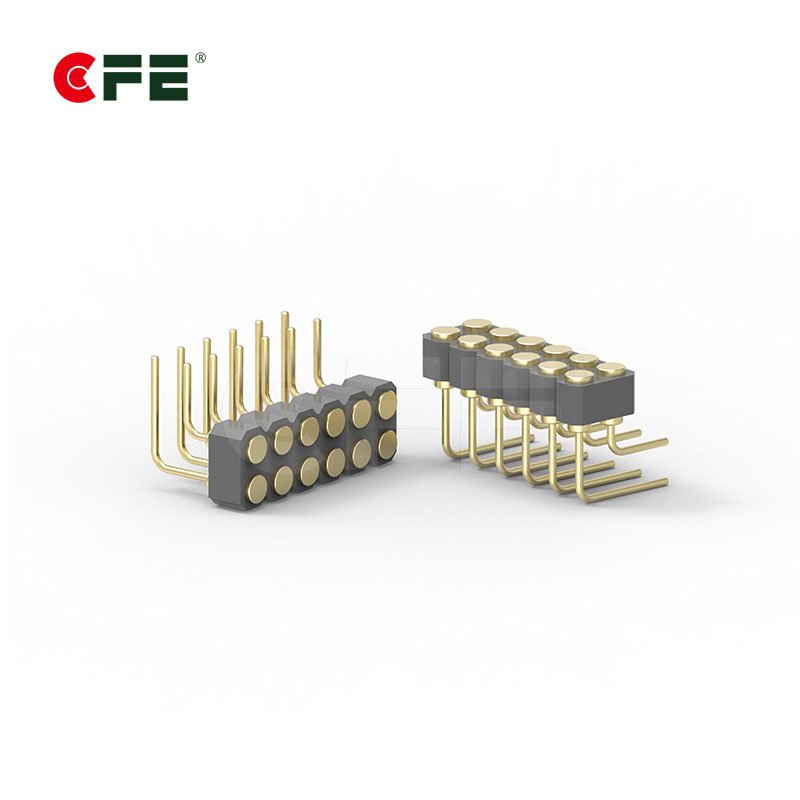
- Reduced pitch connectors (below 0.5 mm)
- High-density pin layouts
- Low-profile board-to-board and wire-to-board connectors
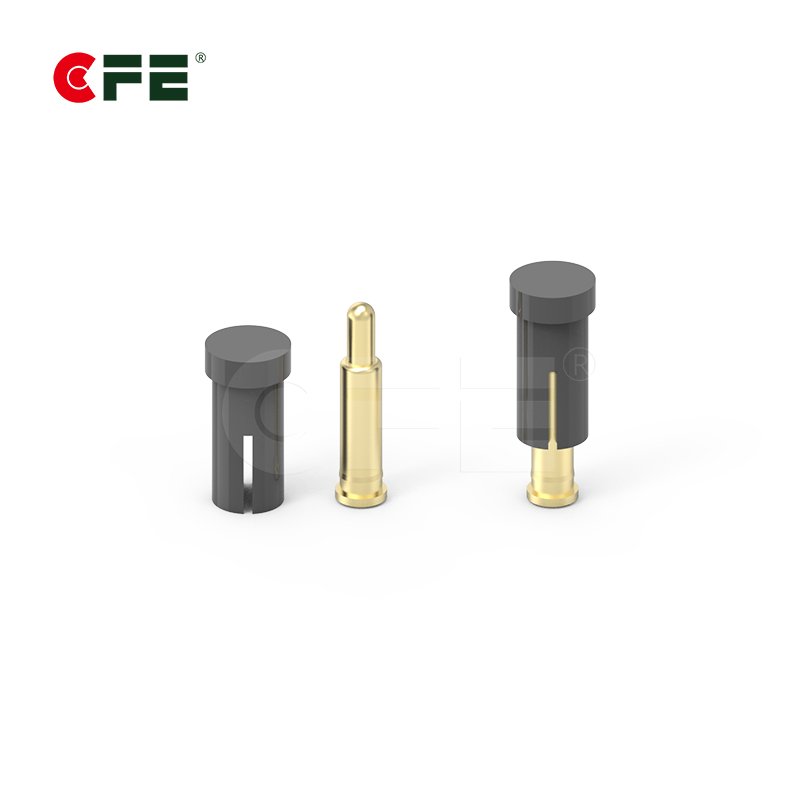
- Compact pogo pin and spring-loaded connectors
These designs are especially popular in UK electronics manufacturing, European consumer electronics, and US defence systems, where space efficiency is critical.
Trend 2: High-Speed Data & Signal Integrity Optimisation
With the rise of 5G, AI computing, edge devices, and autonomous systems, connectors must handle high-speed data transmission with minimal signal loss.
Custom connector designs in 2026 focus on:
- Controlled impedance layouts
- Shielded and differential pair configurations
- Reduced crosstalk and EMI
- Support for USB4, PCIe Gen5, HDMI 2.1, and Ethernet connectors
High-speed custom connectors are widely adopted in USA data centres, European telecom infrastructure, and UK smart city projects.
Trend 3: Hybrid Power & Data Connector Solutions
Another key trend is the integration of power and data into a single connector interface. This reduces component count, simplifies assembly, and improves reliability.
Benefits include:
- Compact system architecture
- Reduced wiring complexity
- Improved power efficiency
- Faster installation and maintenance
Hybrid connectors are commonly used in electric vehicles (EVs) across Europe, robotics in the USA, and renewable energy systems in the UK.
Trend 4: Ruggedised Connectors for Harsh Environments
Industrial and outdoor applications demand connectors that can withstand extreme conditions. In 2026, custom connectors are engineered for:
- High vibration resistance
- Extreme temperature ranges
- Moisture, dust, and chemical exposure
- IP67, IP68, and IP69K protection
Rugged connectors are vital for European rail networks, US aerospace and defence, and UK offshore energy projects.
Trend 5: Sustainable & Eco-Friendly Connector Materials
Sustainability is no longer optional. Connector manufacturers are adopting eco-friendly materials and production methods to meet environmental regulations across Europe, the UK, and North America.
Key sustainability trends include:
- Lead-free and halogen-free materials
- Recyclable plastics and metals
- Low-carbon manufacturing processes
- Compliance with RoHS, REACH, and WEEE directives
Custom connector design now balances performance with environmental responsibility.
Trend 6: AI-Assisted Connector Design & Simulation
Artificial Intelligence and advanced simulation tools are revolutionising connector design. In 2026, engineers use AI to:
- Optimise pin layouts
- Predict signal integrity issues
- Improve thermal performance
- Reduce prototyping time
AI-driven design is particularly prominent in USA-based R&D centres, European engineering firms, and UK electronics startups.
Trend 7: Customisation for Industry-Specific Applications
Different industries require different connector solutions. Custom connectors are now tailored for:
- Medical devices (biocompatible, sterilisation-resistant)
- Automotive systems (high-voltage, vibration-resistant)
- Aerospace (lightweight, high-reliability)
- Industrial automation (modular and scalable)
This industry-focused approach is a defining feature of connector design in 2026.
FAQs – Custom Connector Design Trends 2026
Q1: Why choose custom connectors over standard ones?
Custom connectors provide better performance, reliability, and space efficiency tailored to specific applications.
Q2: Are compact connectors reliable for high power applications?
Yes, modern designs support high power density while maintaining safety and thermal stability.
Q3: Which regions are leading custom connector innovation?
The USA, Europe (especially Germany and France), and the UK are global leaders.
Q4: Are custom connectors more expensive?
Initial costs may be higher, but long-term benefits include improved performance and reduced failures.
Q5: Do custom connectors meet international standards?
Yes, they are designed to comply with CE, UL, UKCA, RoHS, and REACH standards.
Conclusion
In 2026, custom connector design is defined by compact size, high performance, sustainability, and intelligent engineering. As electronic systems become more advanced, connectors must evolve to support faster data, higher power, and greater reliability—all within smaller footprints.
For industries across the UK, Europe, and the USA, investing in custom connector solutions is no longer a luxury but a necessity. Companies that embrace these trends will benefit from improved system efficiency, longer product lifecycles, and a competitive edge in the global market.