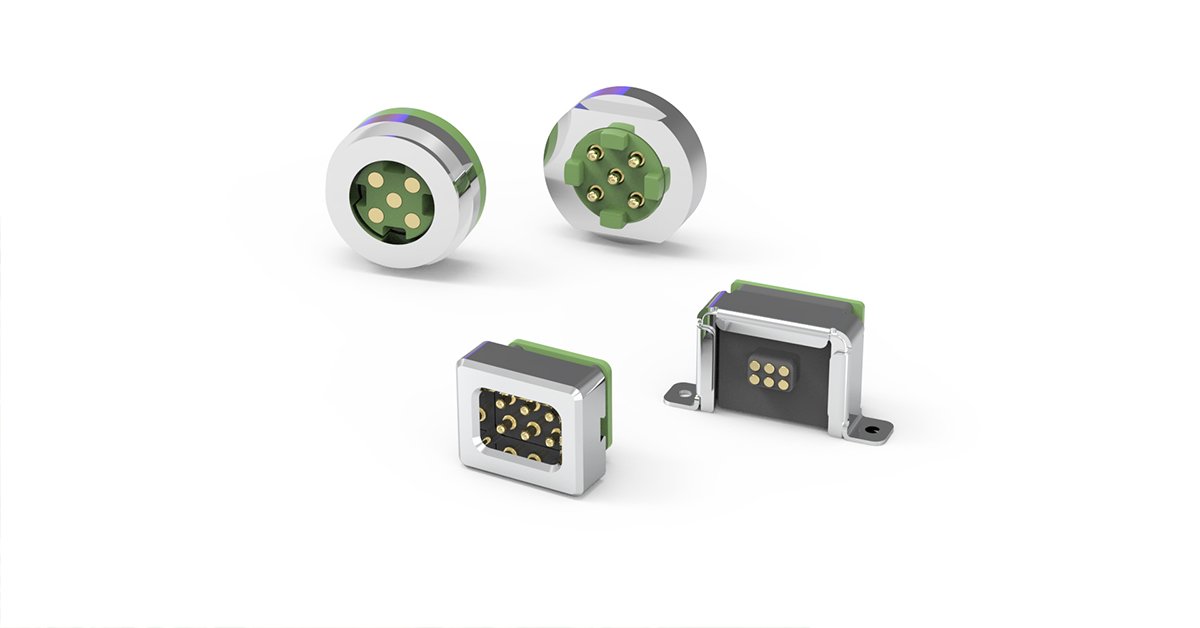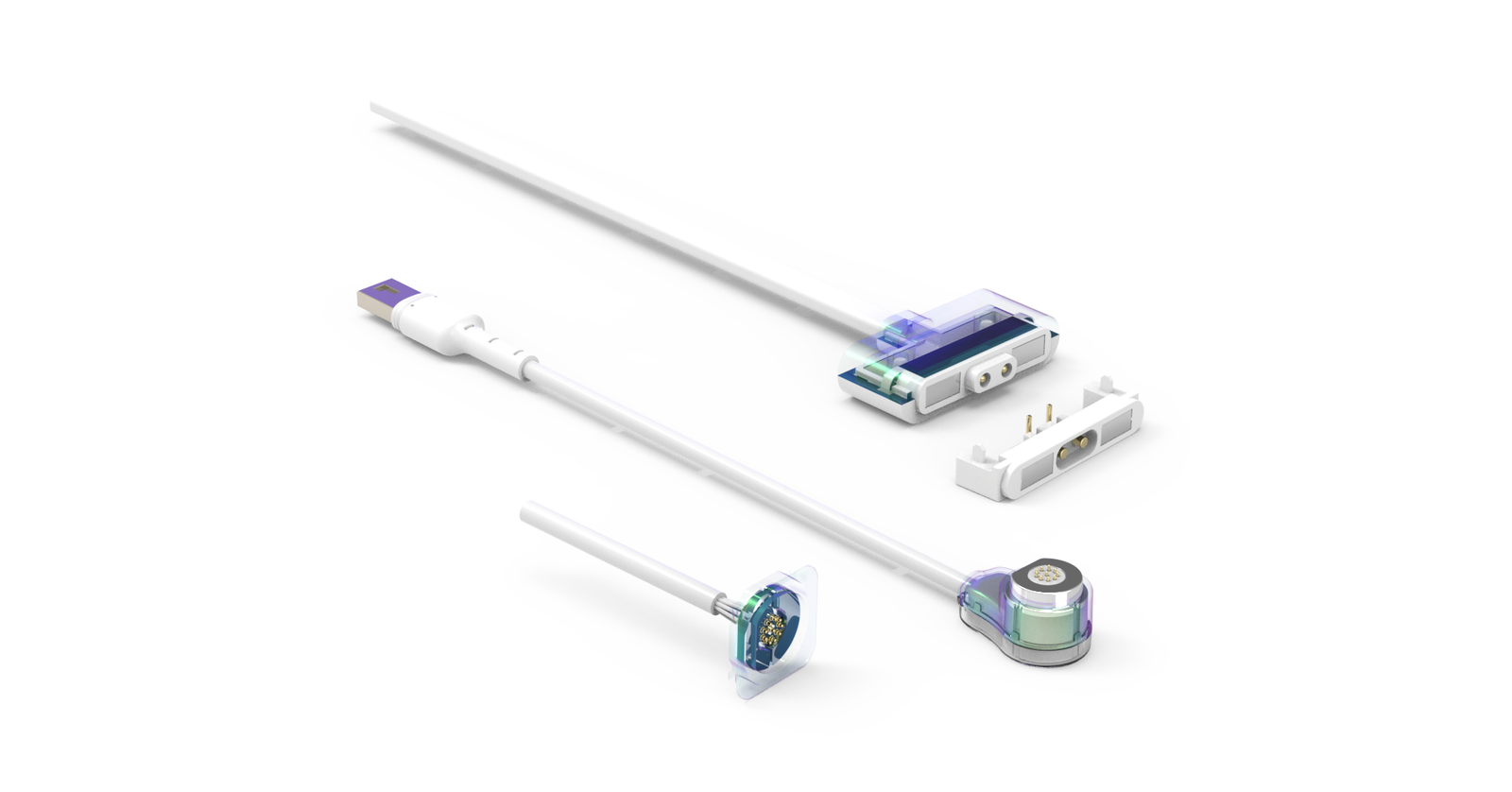

In today’s rapidly evolving electronics industry, connection technology has become more advanced than ever before. Among the most innovative solutions are magnetic connectors, a modern alternative to traditional plug-and-socket connectors.
From charging cables and medical devices to industrial equipment and wearable technology, magnetic connectors are transforming how devices connect and transfer power or data.
But many people still ask: How do magnetic connectors work?
This detailed guide explains everything you need to know about magnetic connector technology, including its working principle, internal components, benefits, applications, and why industries are increasingly adopting them.
What Are Magnetic Connectors?
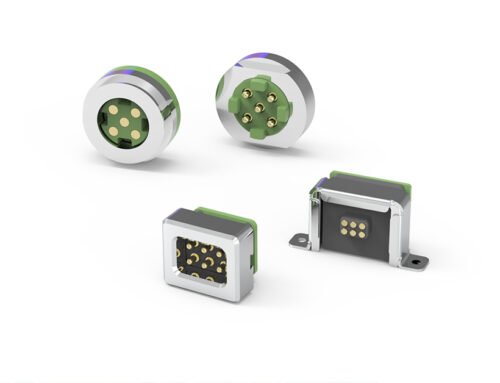
Magnetic connectors are specialized electrical connectors that use magnetic force to align and connect two electrical interfaces.
Unlike traditional connectors that require manual insertion, magnetic connectors automatically attach when brought close together.
These connectors are designed for:
- Power transfer
- Data transmission
- Signal communication
- Safe quick-release disconnection
The magnetic attraction ensures proper alignment while spring-loaded pins establish electrical contact.
The Basic Working Principle of Magnetic Connectors
Understanding how magnetic connectors work requires looking at three key mechanisms:
1. Magnetic Attraction
The connector contains embedded magnets, usually neodymium magnets, that generate a magnetic field.
When the two connector halves approach each other:
- Opposite magnetic poles attract
- The connectors self-align
- Connection is established instantly
This eliminates manual force and reduces wear.
2. Precision Alignment
One of the most important features is automatic alignment.
Traditional connectors often suffer from:
- Misalignment
- Bent pins
- Incomplete insertion
Magnetic connectors solve this by guiding the connection into the exact position needed for reliable electrical contact.
3. Electrical Contact Transfer
Once aligned, conductive pins create the electrical pathway.
These pins are often:
- Gold-plated
- Spring-loaded
- Corrosion-resistant
This ensures:
- Stable current flow
- Reliable data transfer
- Long-term durability
Main Components of a Magnetic Connector
To understand how magnetic connectors function, let’s examine their internal parts.
Magnets
These provide the attraction force.
Most connectors use:
- Neodymium magnets
- Rare-earth magnetic materials
They offer:
- Strong attraction
- Compact size
- Long lifespan
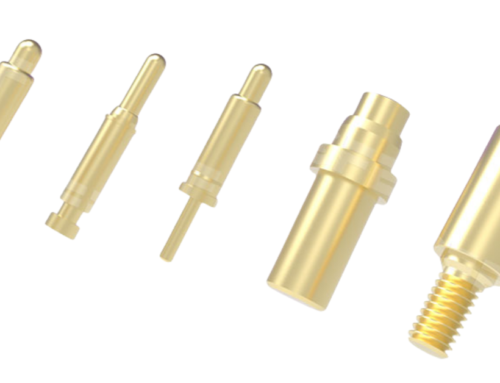
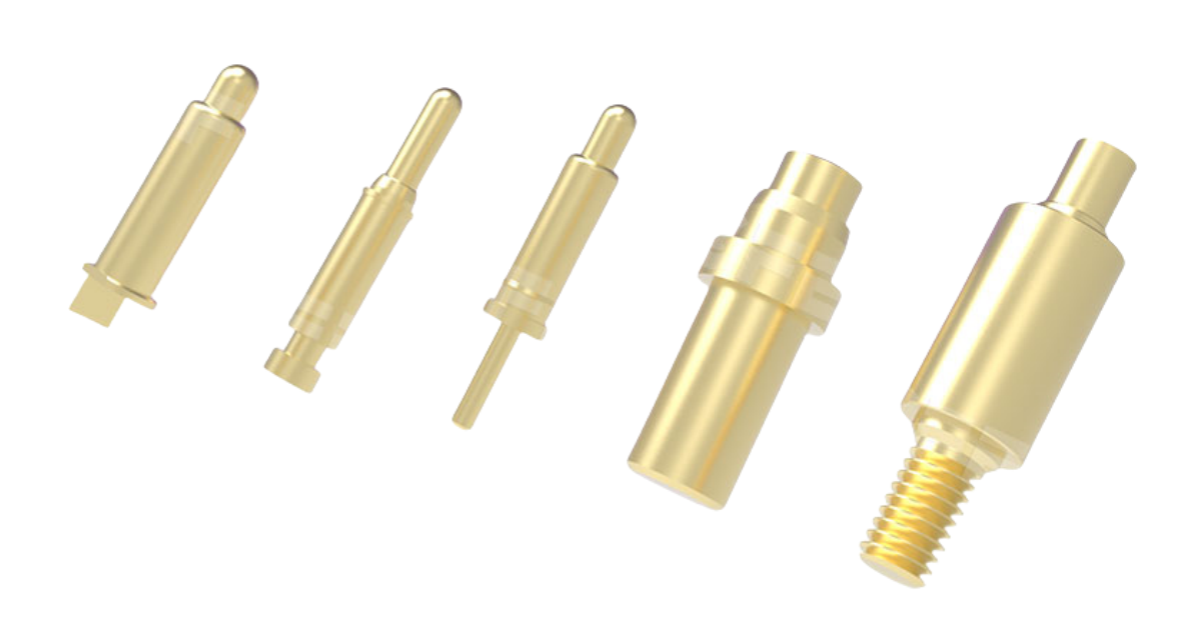
Spring-Loaded Pogo Pins
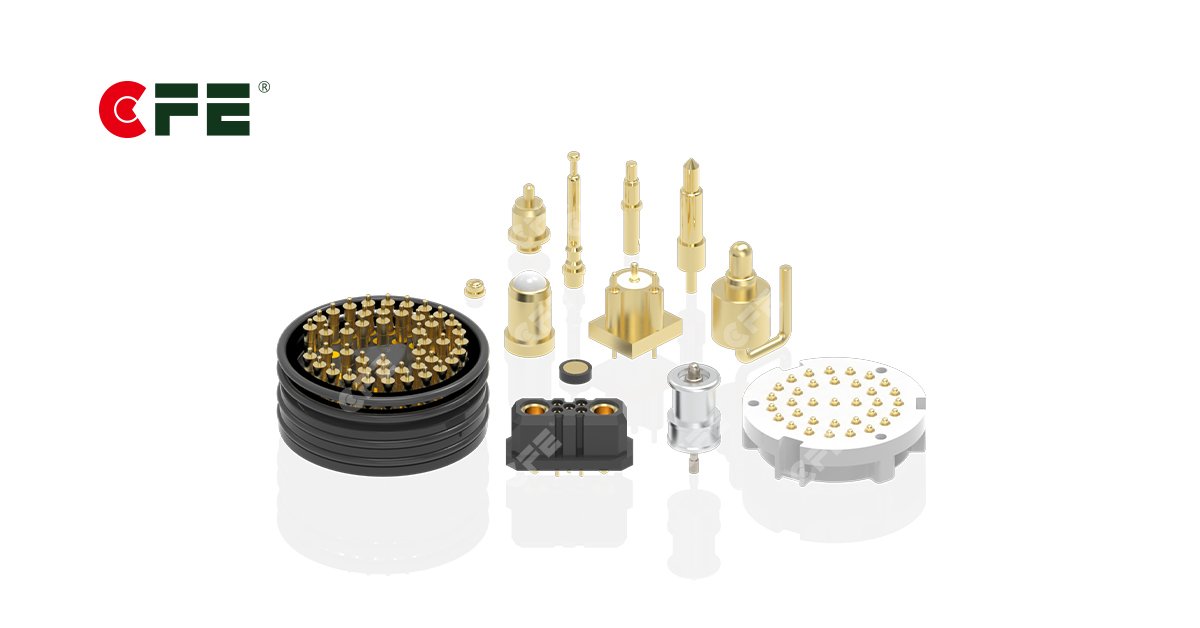
Pogo pins are essential for electrical contact.
Their purpose:
- Maintain pressure
- Ensure conductivity
- Absorb mechanical stress
Benefits include:
- Consistent contact
- Reduced damage
- Better performance
Contact Pads
Located on the receiving side, contact pads connect with pogo pins.
Features include:
- Gold plating
- Oxidation resistance
- Low contact resistance
Housing Material
The external shell protects internal components.
Common materials:
- Aluminum alloy
- Stainless steel
- High-strength plastic
These materials improve:
- Durability
- Waterproofing
- Mechanical protection
Step-by-Step: How Magnetic Connectors Work
Here’s exactly what happens during connection.
Step 1: Approach
The two connector halves move near each other.
Step 2: Magnetic Detection
Magnets detect proximity and begin attraction.
Step 3: Self-Alignment
Magnetic force guides both parts into the perfect position.
Step 4: Pin Compression
Spring-loaded pins compress gently against contact pads.
Step 5: Electrical Connection
Current, signals, or data transfer begins.
Step 6: Quick Release
When sufficient force is applied, the connector safely detaches.
This prevents:
- Cable damage
- Port breakage
- Device stress
Why Magnetic Connectors Are Better Than Traditional Connectors
Reduced Wear and Tear
Traditional connectors wear out due to repeated insertion.
Magnetic connectors reduce friction significantly.
Result:
Longer lifespan.
Enhanced User Convenience
Users simply bring the connectors close.
No:
- Plug orientation issues
- Forceful insertion
- Complex alignment
Improved Safety
Quick-release functionality prevents accidental damage.
This is especially useful in:
- Medical equipment
- Robotics
- Consumer electronics
Waterproof and Dustproof Designs
Many magnetic connectors feature IP-rated sealing.
Ideal for harsh environments.
Faster Connection
Automatic alignment means instant connection.
Perfect for high-frequency use.
Types of Magnetic Connectors
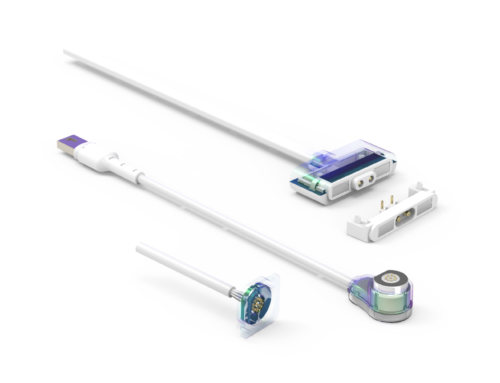
Power-Only Magnetic Connectors
Used for charging and electrical supply.
Applications:
- Charging docks
- Battery-powered devices
Data + Power Magnetic Connectors
Support both charging and communication.
Common in:
- Smart devices
- Industrial monitoring systems
Waterproof Magnetic Connectors
Designed for extreme environments.
Used in:
- Outdoor electronics
- Marine equipment
Custom Industrial Magnetic Connectors
Built for specialized industrial applications.
Examples:
- Automation systems
- Robotics
- Manufacturing equipment
Real-World Applications of Magnetic Connectors
Consumer Electronics

Used in:
- Smartphones
- Tablets
- Smartwatches
- Wireless charging systems
Medical Devices

medical smart bracelet
Essential for:
- Patient monitoring equipment
- Portable diagnostic devices
- Surgical tools
Their quick-release design improves safety.
Industrial Equipment
Factories use magnetic connectors for:
- Robotics
- Automation systems
- Sensor integration
Automotive Industry
Applications include:
- EV charging interfaces
- Dashboard modules
- Sensor systems
Wearable Technology
Perfect for:
- Smart bands
- Fitness trackers
- Health-monitoring devices
How Magnetic Connectors Improve Device Lifespan
Traditional connectors often fail because of:
- Bent pins
- Port loosening
- Friction damage
Magnetic connectors minimize these risks through non-invasive alignment.
This extends:
- Device lifespan
- Cable durability
- Connection reliability
Key Factors That Affect Magnetic Connector Performance
Magnetic Strength
Stronger magnets provide better retention.
Contact Material
Gold-plated contacts improve conductivity.
Environmental Protection
Sealed connectors resist:
- Water
- Dust
- Corrosion
Current Rating
Higher-rated connectors support more power.
Future of Magnetic Connector Technology
The future looks promising.
Emerging trends include:
Smarter Connectors
With integrated sensors for diagnostics.
Higher-Speed Data Transfer
Support for modern communication protocols.
Miniaturization
Smaller connectors for compact devices.
Sustainable Designs
Eco-friendly materials and longer life cycles.
FAQs
How do magnetic connectors transfer electricity?
They use spring-loaded conductive pins that contact metal pads after magnetic alignment.
Are magnetic connectors safe?
Yes. They reduce mechanical stress and often include quick-release safety mechanisms.
Can magnetic connectors transfer data?
Yes. Many advanced models support both power and data transmission.
Are magnetic connectors waterproof?
Many industrial-grade magnetic connectors offer waterproof protection.
Why are magnetic connectors becoming popular?
Because they offer:
- Convenience
- Durability
- Safety
- Faster connection
Conclusion
Understanding how magnetic connectors work reveals why they are becoming the preferred connection solution across industries.
By combining:
- Magnetic self-alignment
- Reliable electrical contact
- Quick-release functionality
- Enhanced durability
magnetic connectors provide a smarter alternative to traditional connectors.
As technology continues to evolve, magnetic connectors will play a critical role in shaping the future of electronics, industrial automation, and smart devices.