
Introduction
Modern industries demand connectivity solutions that are durable, efficient, safe, and easy to maintain. Traditional connectors have served industrial applications for decades, but with rapid advancements in automation, robotics, medical technology, and smart manufacturing, businesses are increasingly adopting magnetic connectors as a superior alternative.
Magnetic connectors are innovative connection systems designed to create secure electrical connections using magnetic force. Unlike traditional plug-and-socket connectors that require physical insertion and can wear down over time, magnetic connectors snap into place effortlessly.
Their unique design provides several advantages, including quick connection, reduced wear, improved safety, and enhanced reliability in harsh industrial environments.
In this guide, we’ll explore the major industrial applications of magnetic connectors, why industries prefer them, and how they are transforming manufacturing and technology-driven operations.
What Are Magnetic Connectors?
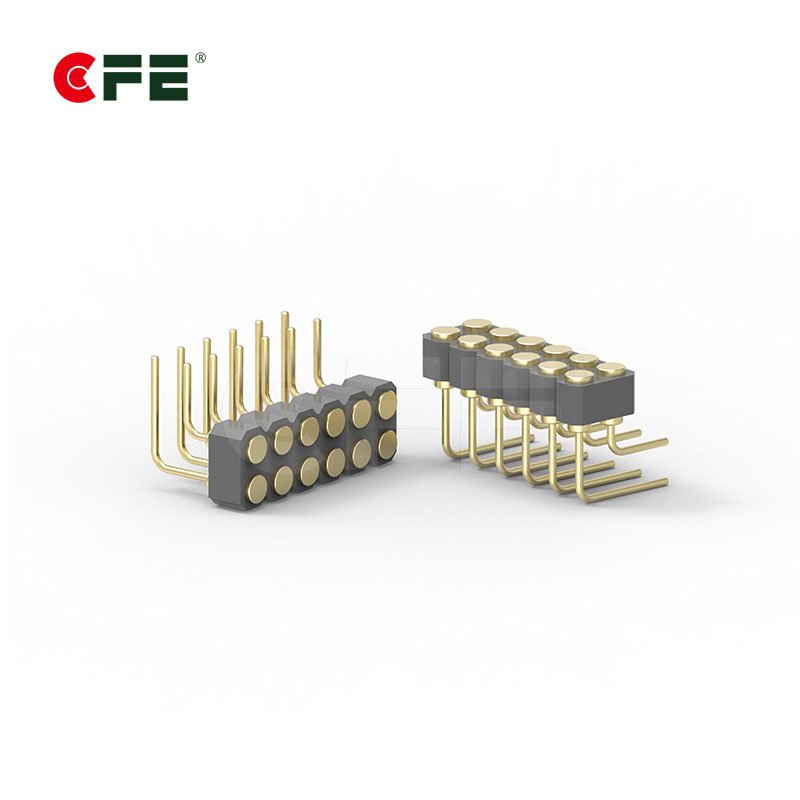
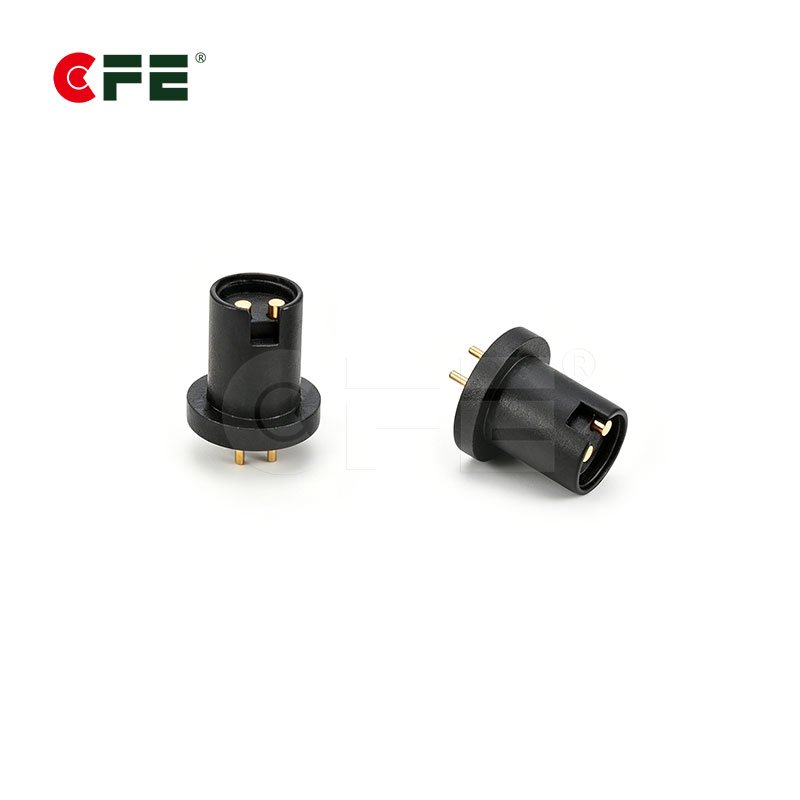
Magnetic connectors are electrical connectors that use embedded magnets to align and connect contacts automatically.
They consist of:
- Magnetic housing
- Conductive contact pins
- Alignment mechanisms
- Protective insulation
When brought close together, the magnets automatically guide the connector into the correct position.
This creates a seamless electrical connection while minimizing alignment errors.
Why Magnetic Connectors Are Important in Industrial Applications
Industries rely on systems that require:
- High reliability
- Fast maintenance
- Durability
- Worker safety
- Reduced downtime
Magnetic connectors solve common challenges such as:
1. Faster Connection and Disconnection
Workers can connect systems instantly.
2. Reduced Mechanical Wear
No repetitive insertion damage.
3. Enhanced Safety
Quick-release mechanism prevents accidents.
4. Better Environmental Resistance
Available with waterproof and dustproof designs.
5. Lower Maintenance Costs
Longer lifespan means fewer replacements.
Key Industrial Applications of Magnetic Connectors
1. Industrial Automation Systems
Automation is the backbone of modern manufacturing.
Factories use sensors, controllers, actuators, and robotic systems that require constant connectivity.
Magnetic connectors improve automation by offering:
- Quick replacement during maintenance
- Error-free alignment
- Minimal downtime
- Reliable signal transmission
Example
In conveyor belt systems, magnetic connectors allow sensors to be replaced within seconds.
2. Robotics and Collaborative Robots
Industrial robots perform repetitive tasks such as:
- Welding
- Packaging
- Assembly
- Inspection
Robotic arms move constantly, which can stress traditional connectors.
Magnetic connectors provide:
Flexible Connectivity
Handles movement better.
Fast Tool Changes
Enables quick end-effector replacement.
Reduced Damage Risk
Disconnects safely if excessive force is applied.
This is especially useful for collaborative robots working alongside humans.
3. Medical Equipment Manufacturing

medical monitoring
Medical devices require precision and reliability.
Magnetic connectors are widely used in:
- Diagnostic equipment
- Patient monitoring systems
- Portable imaging devices
- Surgical tools
Benefits include:
Hygienic Design
Easy to clean and sanitize.
Reliable Performance
Stable electrical connection.
Quick Attachment
Reduces setup time.
Medical environments demand connectors that are dependable under critical conditions.
4. Electric Vehicle Charging Infrastructure

Automotive 2
EV charging systems require safe and efficient power transfer.
Magnetic connectors offer:
- Automatic alignment
- User-friendly operation
- Enhanced safety disconnect
- Reduced wear over repeated use
Industrial EV charging stations benefit greatly from magnetic connectivity.
This is especially relevant for autonomous charging systems.
5. Aerospace and Defense Systems
Aerospace applications require:
Lightweight components
Magnetic connectors are ideal for:
- Aircraft electronics
- Military communication systems
- Drone charging systems
- Satellite testing equipment
Their precision alignment ensures secure operation even under vibration.
6. Data Centers and Server Infrastructure
Modern data centers require efficient cable management.
Magnetic connectors help by enabling:
- Faster hardware replacement
- Reduced technician error
- Simplified maintenance
- Better airflow due to cleaner cable layouts
They are increasingly used in modular server environments.
7. Industrial IoT Devices
Industrial Internet of Things (IIoT) systems rely on connected sensors.
Magnetic connectors simplify deployment.
Applications include:
- Remote monitoring sensors
- Environmental control systems
- Predictive maintenance devices
- Smart factory monitoring
Their ease of use supports rapid scalability.
8. Wearable Industrial Technology
Industrial workers use wearable devices for:
- Safety monitoring
- Communication
- Productivity tracking
Magnetic connectors are ideal because they provide:
- Comfortable design
- Quick charging
- Easy disconnection
- Improved durability
9. Renewable Energy Systems
Solar and wind energy systems require robust connectors.
Magnetic connectors support:
- Battery storage systems
- Monitoring equipment
- Charging modules
- Field maintenance operations
They reduce installation complexity.
10. Testing and Measurement Equipment
Laboratories and industrial testing facilities need connectors that allow frequent reconnection.
Magnetic connectors improve:
- Test setup speed
- Measurement reliability
- Equipment longevity
Benefits of Magnetic Connectors in Industrial Environments
Improved Productivity
Less downtime means greater efficiency.
Better Safety
Automatic release prevents cable strain accidents.
Cost Savings
Reduced replacement frequency lowers costs.
Operational Flexibility
Ideal for modular systems.
Future Scalability
Supports smart industrial upgrades.
Challenges and Considerations
Despite advantages, industries should evaluate:
Initial Cost
May cost more than traditional connectors.
Compatibility
Requires system-specific design.
Power Requirements
Some applications need high-current solutions.
Environmental Exposure
Must choose appropriate IP-rated designs.
Future of Magnetic Connectors in Industry
The future looks highly promising.
Emerging trends include:
- Smart self-diagnostic connectors
- Wireless-assisted magnetic systems
- AI-integrated connection monitoring
- Autonomous charging interfaces
As Industry 4.0 expands, magnetic connectors will play a central role.
FAQs
Are magnetic connectors durable enough for industrial use?
Yes. Industrial-grade magnetic connectors are designed for harsh environments.
Can magnetic connectors handle high current?
Many industrial models support high-current applications.
Are they waterproof?
Yes, many are available with IP67 and IP68 protection.
Do magnetic connectors reduce maintenance time?
Absolutely. Quick connection significantly reduces servicing time.
Are magnetic connectors expensive?
Initial costs can be higher, but long-term savings often outweigh the investment.
Conclusion
Magnetic connectors are revolutionizing industrial connectivity.
From robotics and automation to medical devices and EV charging, these connectors deliver unmatched efficiency, safety, and durability.
As industries move toward smarter, faster, and more connected systems, magnetic connectors will become essential infrastructure components.
Businesses investing in advanced connectivity today will gain a competitive advantage in tomorrow’s industrial landscape.