Introduction
The automotive industry is undergoing a historic transformation. Electric vehicles (EVs) and autonomous vehicles are no longer futuristic concepts; they are rapidly becoming mainstream mobility solutions. Behind this revolution lies a complex ecosystem of electronic components that ensure reliability, safety, and performance. One such critical yet often overlooked component is the automotive pogo pin.
Automotive pogo pins—also known as spring-loaded connectors—play a vital role in ensuring stable electrical connections within EVs and self-driving vehicles. From battery management systems to advanced driver-assistance systems (ADAS), pogo pin connectors are enabling high-speed data transmission, power delivery, and testing reliability in next-generation vehicles.
In this in-depth guide by CFE, we explore automotive pogo pin uses in EVs and autonomous vehicles, highlighting their benefits, applications, design considerations, and future trends, while incorporating globally relevant automotive electronics keywords for maximum SEO impact.
What Are Automotive Pogo Pins?
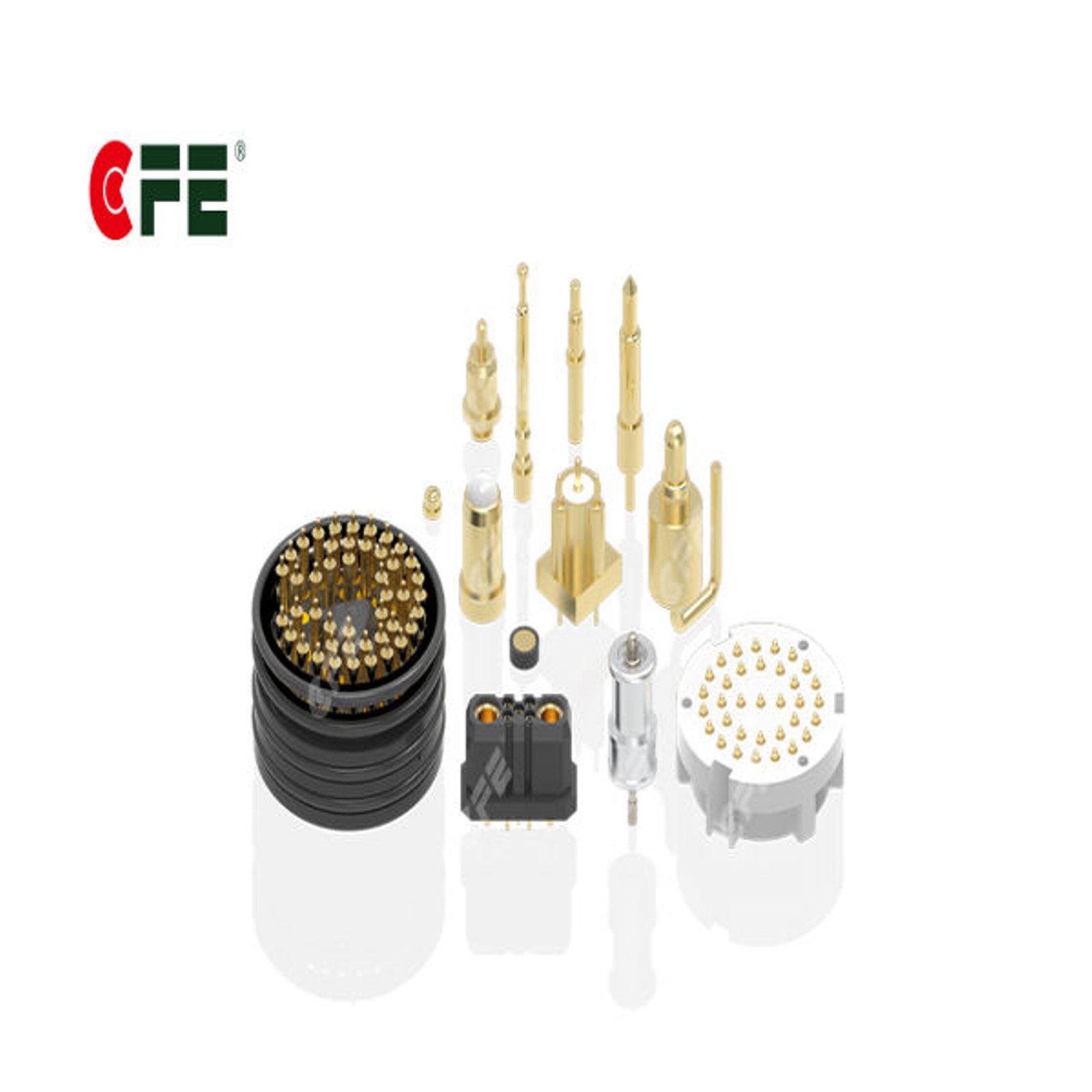
Automotive pogo pins are precision-engineered, spring-loaded electrical contacts designed to provide consistent connectivity under vibration, thermal stress, and repeated mating cycles. Unlike traditional connectors, pogo pins rely on internal spring mechanisms that maintain constant contact pressure, ensuring uninterrupted electrical flow.

Automotive Solutions
In modern automotive electronics, these connectors are widely used for:
- Power transmission
- Signal integrity
- Testing and diagnostics
- Modular and compact design integration
Their ability to withstand harsh automotive environments makes them ideal for EV and autonomous vehicle applications.
Why Pogo Pins Are Essential in EVs
Electric vehicles depend heavily on efficient electrical architectures. Automotive pogo pins support EV systems in several critical ways:
1. Battery Management Systems (BMS)
EV batteries require precise monitoring of voltage, temperature, and current. Pogo pins provide secure, low-resistance connections between battery cells and monitoring circuits, ensuring accurate data collection and safe operation.
2. Charging Systems
High-current pogo pins are used in charging interfaces and docking systems. Their spring-loaded design allows for reliable contact alignment, reducing wear and ensuring safe power transfer during repeated charging cycles.
3. Power Distribution Units
Compact power modules benefit from pogo pin connectors that reduce wiring complexity while maintaining consistent conductivity across high-vibration environments.
Automotive Pogo Pins in Autonomous Vehicles
Autonomous vehicles rely on real-time data processing and sensor fusion. Pogo pins enable seamless connectivity across advanced electronic systems:
1. ADAS and Sensor Modules
Cameras, LiDAR, radar, and ultrasonic sensors require stable signal transmission. Automotive-grade pogo pins ensure low signal loss and consistent connectivity even under extreme motion and temperature changes.
2. Control Units and Computing Modules
Autonomous driving computers demand high-speed data transfer. Pogo pin connectors support modular designs that simplify maintenance, upgrades, and testing.
3. Redundancy and Safety Systems
Safety-critical systems benefit from pogo pins due to their self-adjusting contact force, which minimizes the risk of intermittent connections.
Advantages of Using Automotive Pogo Pins
Automotive pogo pins offer several key advantages over traditional connectors:
- High Durability: Designed for millions of compression cycles.
- Vibration Resistance: Ideal for automotive motion and road conditions.
- Compact Design: Enables space-saving electronic layouts.
- Ease of Assembly: Supports automated manufacturing processes.
- Enhanced Reliability: Maintains consistent electrical contact over time.
These features align perfectly with modern vehicle design requirements focused on efficiency, safety, and scalability.
Material and Design Considerations
When selecting pogo pins for automotive use, manufacturers consider several factors:
- Plating Materials: Gold-plated contacts improve conductivity and corrosion resistance.
- Spring Force Optimization: Ensures stable contact without damaging mating surfaces.
- Temperature Tolerance: Automotive pogo pins must operate across wide temperature ranges.
- Ingress Protection: Sealed designs protect against dust, moisture, and contaminants.
CFE focuses on precision engineering to meet strict automotive electronics standards and quality benchmarks.
Future Trends in Automotive Pogo Pins
As vehicle technology evolves, pogo pins are also advancing:
- High-Speed Data Support: Designed for next-generation automotive communication protocols.
- Miniaturization: Supporting compact EV architectures.
- Sustainability: Eco-friendly materials and longer lifecycle designs.
- Smart Testing Solutions: Integrated pogo pin test fixtures for faster production validation.
These innovations position pogo pins as essential components in future mobility ecosystems.
FAQs
Q1: Are pogo pins suitable for high-current EV applications?
Yes, automotive-grade pogo pins are designed to handle high current loads with minimal resistance.
Q2: Why are pogo pins preferred over traditional connectors in autonomous vehicles?
They offer better vibration resistance, compactness, and consistent electrical contact.
Q3: Can pogo pins withstand harsh automotive environments?
Absolutely. They are engineered to perform under extreme temperatures, vibration, and humidity.
Q4: Are pogo pins used in automotive testing?
Yes, they are widely used in end-of-line testing, diagnostics, and quality assurance processes.
Conclusion
Automotive pogo pins are small components with a massive impact. From powering EV battery systems to enabling reliable sensor connectivity in autonomous vehicles, they are indispensable to modern automotive electronics. Their durability, flexibility, and performance make them a preferred choice for manufacturers focused on innovation and safety.
As electric and autonomous vehicles continue to reshape global transportation, CFE automotive pogo pin solutions stand at the forefront of reliable connectivity, supporting the future of smart mobility.