Spring-loaded contacts – also known as pogo pins, spring probes, or just spring tips – are small parts that pack a punch when it comes to making electronics easier to build, test, and trust.

When you’re putting together gadgets, setting up test gear, or fine-tuning assembly workflows, using these little springs might be the easiest upgrade around; they save money, speed things up, while also making products feel more solid.
This post breaks down spring-loaded contacts – what they do, why they’re useful, picking the best kind, plugging them into your setup. Plus, handy advice, common questions answered, a straightforward wrap-up so you can decide with confidence.
What exactly are spring-loaded contacts?
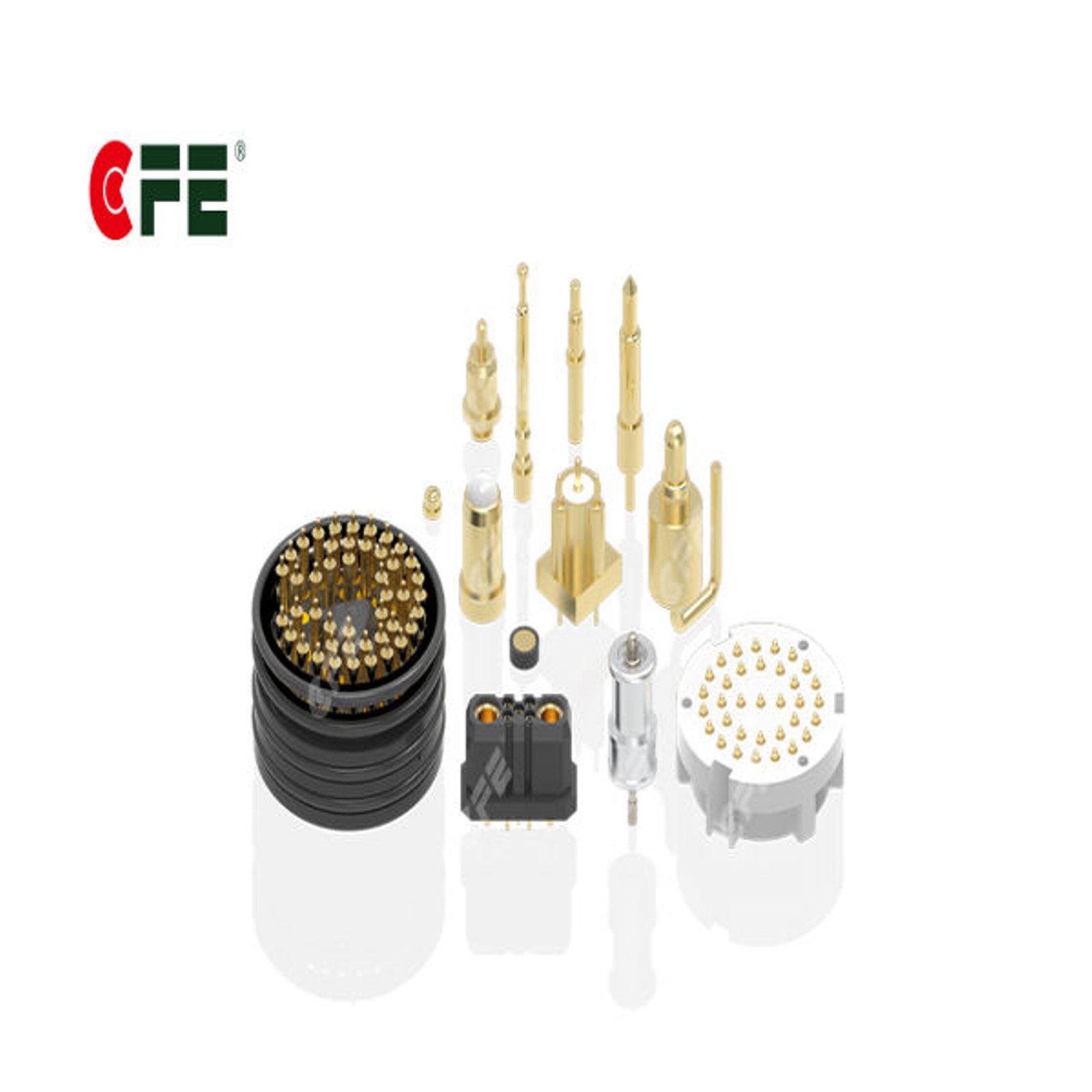
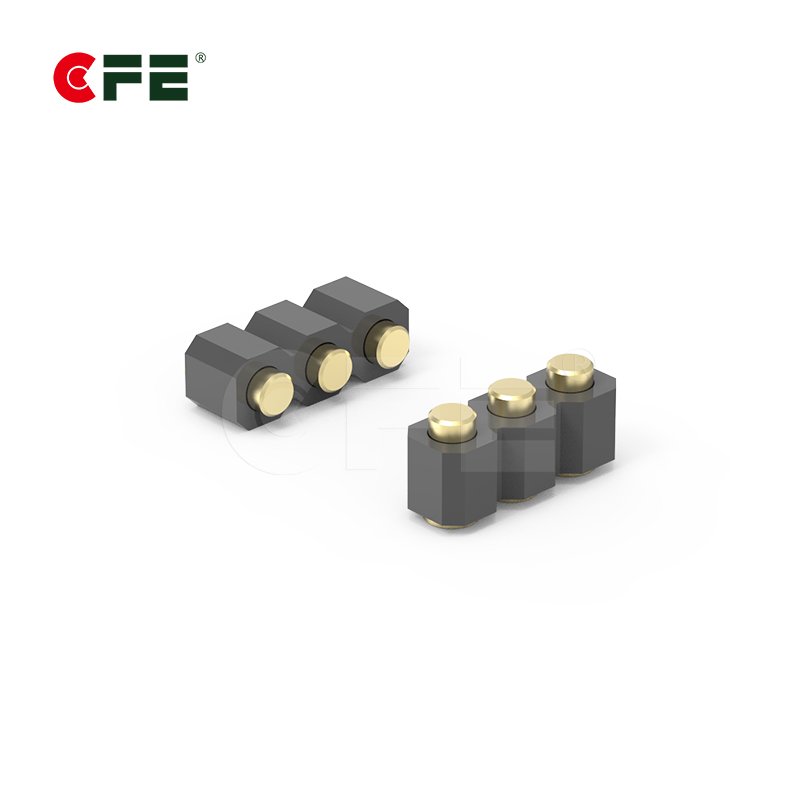
Spring-loaded pins are small mechanical parts made up of a moving pin, a spring, inside a housing. Once they touch a matching point – say, on a circuit board – the inner pin pushes down into the body. This action keeps steady electric flow going despite shaking or slight shifts in position. Heat-related movement won’t break the link either.
Also called pogo pins, or spring probes, sometimes known as spring contacts, also referred to as test pins.
Key benefits:
- Reliable repeated connections
- Tolerance for misalignment
- Compact footprint
Few designs last millions of times – some even more, depending on build quality or materials used inside
Works well for testing – also handles real-world use
Why spring-loaded contacts boost efficiency
Faster testing cycles
Test machines and workbench setups rely on spring-powered pins that snap into place on device pads – no soldering or hand-wiring needed. That cuts down testing time for each piece, boosting how many get tested overall.
Lower assembly costs
Spring-loaded contacts work instead of special cables or fixed solder joints when you need quick hookups now and then – cuts down on parts and time. They fit places where wires get swapped out often without needing extra tools or effort.
Improved reliability
They use spring pressure to keep connections steady, even when things shake or shift a bit – super important for gear used in factories, cars, or handheld tech.
Design flexibility
Since they handle small alignment errors or height differences, engineers can loosen tight specs while making housings easier to build – this cuts down on mold costs and production hassle.
Field serviceability
Tools needing regular checkups, resets, or adjustments become simpler to handle with spring-loaded pins – workers hook them up fast without melting joints or tearing apart big parts.
Common applications
Test rigs with pins poke boards → check many at once. These beds of nails hit parts fast, so circuits get cleared quick. Each module slides in, gets zapped, moves on.
Dev/test ports let you flash code fast while building devices.
Battery or charger connections – take-out power packs or port setups.
Inter-board links – these are parts used in devices that get taken apart now and then.
Sensors plus healthcare tools – spots where cleanliness needs stop fixed plugs.
Types and materials
Spring-loaded pins are available in various types,
Stick-style spring probes – great for tough physical mounting.
Surface-mount SMT springs work with auto pickup tools, while fitting flat on boards.
Custom-sized plungers work better for deep or set-back connections – since they fit just right, so no gaps happen.
Heavy-duty setups – built for passing electric power.
Gold-coated or nickel-coated options – pick gold if you want less resistance and better protection from rust; go with nickel when budget matters but strength still counts.
Material picks make a difference – gold coating gives less contact resistance while resisting rust well, ideal for small signals or low voltage setups. When it comes to power use, folks often go for sturdier barrels paired with bigger plungers, strong springs, along with silver or gold surfaces.
How to choose the right spring-loaded contact
Electrical requirements
Detect present flow, push, along with okay touch resistance. Signal spots aren’t like energy points.
Mechanical constraints
Find out the height you’ve got, how far it moves, along with the toughness of the connecting surface. See if the touch will push straight down or come in sideways.
Cycle life
Pick components built to handle enough insertions. Since production tools go through millions of uses, while real-world setups might only hit a few thousand.
Environmental factors
Think about how hot or cold it gets, plus moisture levels – also check if dirty stuff might get on it. Pick coatings and substances based on that.
Mounting style
SMT versus through-hole: SMT components suit machine-based building better, yet through-hole holds up tougher when things get rough.
Cheap or fast – pick one, ’cause getting both’s a stretch most times
Pricier contacts last longer, which means less fixing and fewer delays. Think about long-term expenses instead of just the upfront tag.
Smart ways to set up and connect designs
For pad layout: if using a spring pin on a PCB pad, go with a bit bigger surface plus tough solder mask cutouts to shield where it touches.
Fixtures must press evenly on every spring contact. If pressure’s too low, links keep dropping out. When it’s too high, parts grind down faster. Use steady squeeze so each point works right.
Line-up helpers: Try using alignment pegs or guide sleeves in holders to lessen side pressure on connections.
Keep dust out – use shields or tight fittings when working in dirty areas.
Keep things running smooth – hit checkups often if you’re using it a lot. Look at the tips and springs now then. Swap out any probe that’s seen better days before it quits on you.
Test early using selected pogo pins to check movement, pressure, or positioning when put to actual use – trying it out helps spot issues fast. However, make sure fit stays consistent throughout testing rounds since small shifts matter just as much.
Brief
A mid-sized electronics maker swapped out their programmer cable for built-in spring contacts to flash firmware. As a result, programming time fell by 35% – cable issues nearly vanished, cutting failures by 90%. On top of that, daily output climbed 18%. Because they saved so much on labor and fixes, the initial expense paid off in just three weeks.
FAQs
Q: What’s the difference between a pogo pin and a spring contact?
A: People mix them up a lot. “Pogo pin” usually means a spring-powered connector – especially when talking about testing gear or hookup parts.
Q: Can spring-loaded contacts carry power?
A: Yep – though pick pins that handle high current, also check they’ve got enough surface touch plus strong spring push.
Q: How many cycles do typical pogo pins last?
A: It’s down to how good they are and where they’re used. Lots of factory-grade pins work fine for 1 to 5 million uses – though certain custom types can go way beyond that.
Q: Do pogo pins require maintenance?
In tough conditions or dusty spots, check things often – swap out old tips or springs when needed.
Q: Are there alternatives?
A: Options like edge connectors, tailor-made cables, or soldered types come with pros and cons. One affects price, another impacts how simple they are to handle, while a third influences lifespan.
Q: How do I test contact resistance?
A: Try a milliohm meter or go with four-wire Kelvin method – check contact resistance when things are squeezed like usual.
Q: Are pogo pins suitable for use in closed gadgets?
A: Most times it’s a no – only if there’s a built-in sealed entry spot or special closed sensors are used instead.
Q: Which coating works best over time?
A: People often pick gold plating when they need solid, rust-proof links – especially for tiny electrical signals.
Conclusion
Spring-loaded pins seem basic but do a big job. When you’re building test rigs, making repairs easier, or cutting down on assembly time. Pogo pins might cut testing time, save money, or boost performance. Pick the correct kind based on how much power they’ll carry or how often they’re used – test a sample fast instead of waiting. Build both the board and holder around where it touches so things fit naturally. Tiny tweaks at the start lead to smoother runs later.