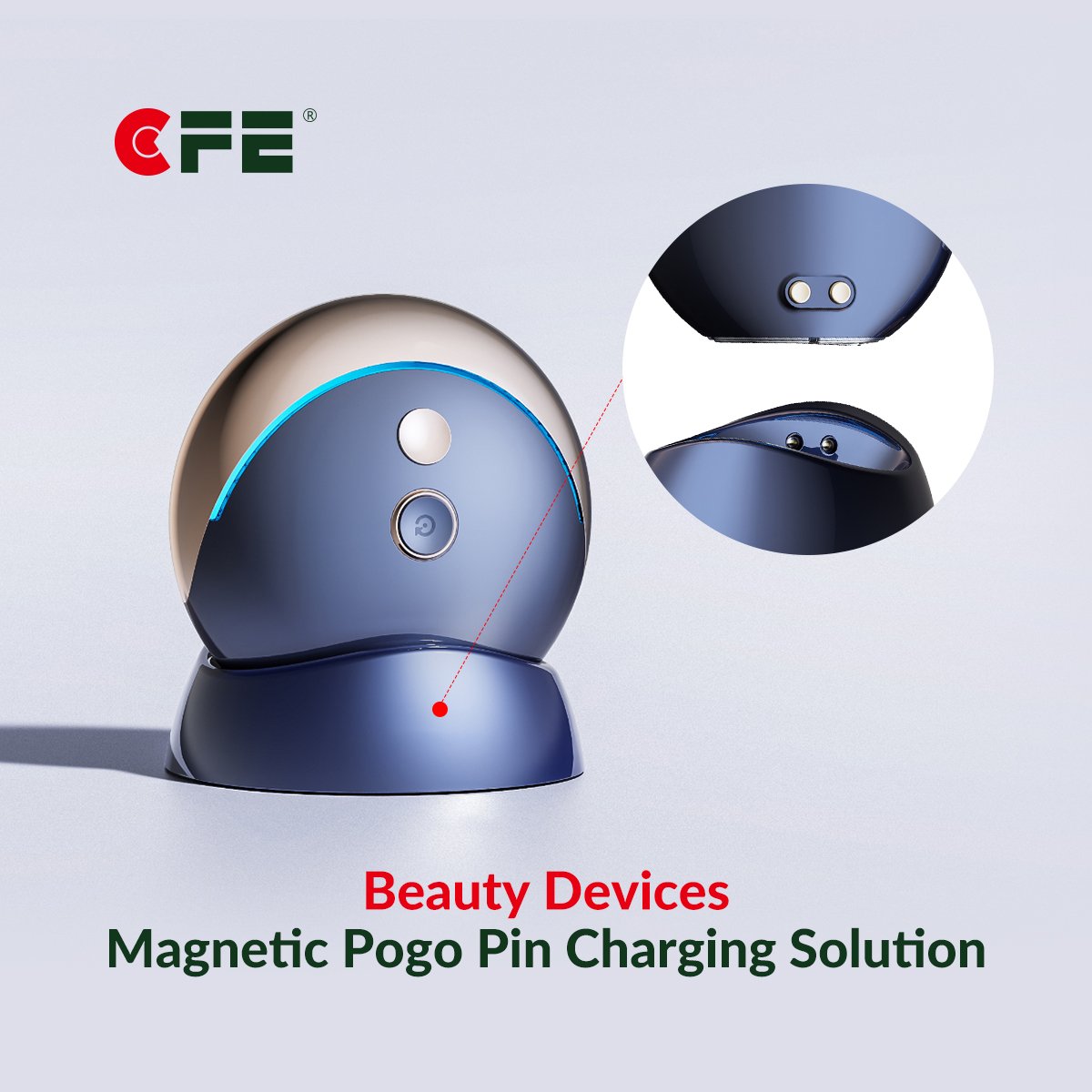
In the quick world of gadgets, good links make new ideas possible. A tiny part matters more than you’d think: the pogo pin. Not just in phones or laptops – also in machines that heal people or run factories – they keep electricity flowing when old-style plugs can’t handle it.

Picking the correct pogo pin isn’t only about specs – it shapes how well your device works, lasts over time, or adapts later on. This CFE walkthrough breaks down what matters when choosing one, shows where they’re used, plus reveals hidden upsides ahead.
What Is a Pogo Pin?
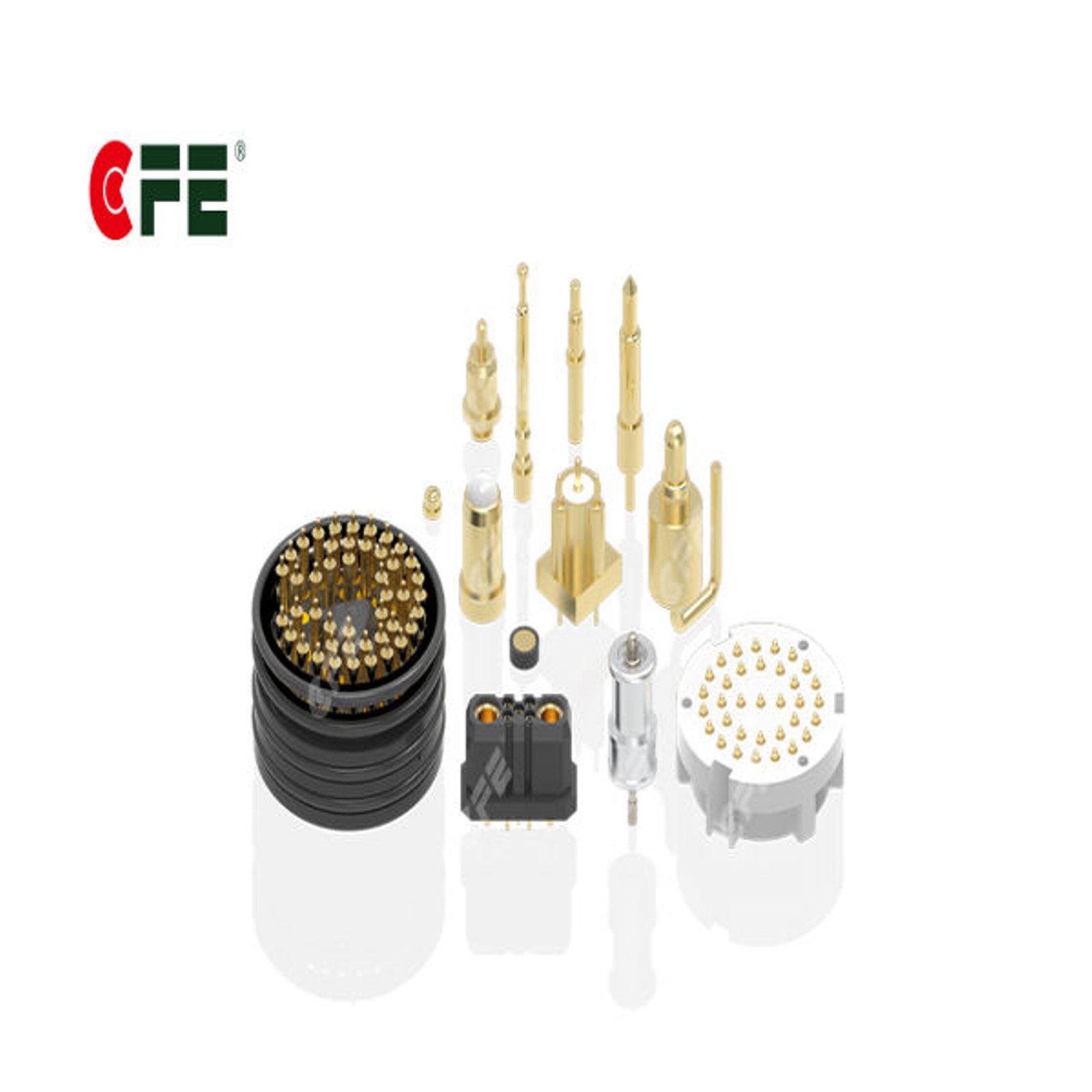
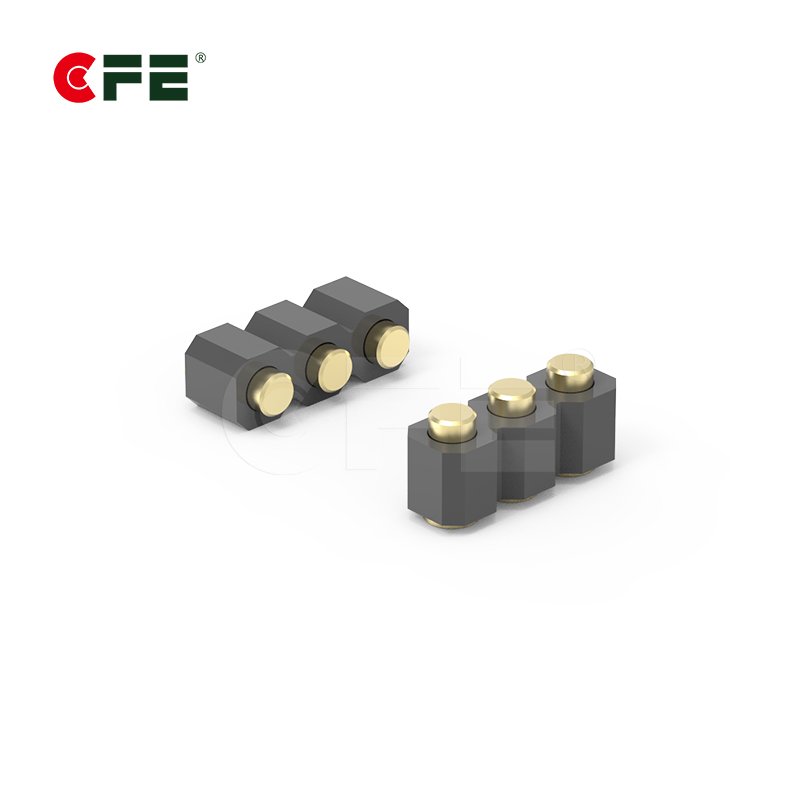
A pogo pin – sometimes called a spring-loaded probe – is a small device used to make electrical connections by using pressure from a built-in spring. Instead it’s made up of three key pieces:
Plunger
Barrel
Spring
This setup keeps pogo pins making solid contact, while things shift, shake, or don’t line up right.
Why Pogo Pins Matter in Modern Innovations
Today’s gadgets keep getting tinier, cleverer, yet trickier inside. Old-style plugs tend to take up space and break fast. Instead, spring-loaded contacts handle this better – by fitting tight spots and lasting longer
Compact size
Long lifecycle
Reliable conductivity
Easy integration
Besides these perks, pogo pins pop up in fresh gadget ideas.
Key Factors to Consider When Choosing the Right Pogo Pin
Electrical Requirements
Figure out what power stuff you need before picking a pogo pin
Current rating
Voltage requirements
Signal type (power, data, RF)
Picking the wrong rating might cause overheating – or even signal issues.
Mechanical Specifications
Mechanical design matters just as much. Think about it –
Spring force
Stroke length
Pin diameter
Mounting type
A right mix of spring strength with movement keeps touch steady while protecting parts.
Material and Plating
Good materials mean better results, also last longer.
Common materials include:
Brass
Beryllium copper
Stainless steel
Gold coating boosts how well electricity flows while also fighting rust.
Durability and Lifecycle
When it comes to heavy-duty uses such as charge stations or testing gear, lasting power really matters. Top-grade pogo pins handle between 100k and a million connects before wearing out.
Environmental Conditions
If your product operates in harsh environments, consider pogo pins designed for:
High temperatures
Humidity
Dust and vibration
Unique sealants or finishes might greatly boost how long things last.
Common Applications of Pogo Pins
Pogo pins are used across multiple industries, including:
Consumer Electronics
Smartphones
Smartwatches
Wireless earbuds
Charging docks
Medical Devices
Diagnostic equipment
Wearable health monitors
Surgical tools
Industrial Equipment
Automation systems
Control panels
Sensors
Testing and Inspection
PCB testing
Semiconductor testing
Quality control fixtures
How CFE Helps You Choose the Right Pogo Pin
Over at CFE, each new idea stands out on its own. So we tackle things differently – using methods tailored just right
Tailored spring-loaded contact options
High-quality materials
Precision manufacturing
Technical support
We team up with engineers while also linking with product designers so the pogo pin slots right into your setup.
Future Benefits of Using the Right Pogo Pin
Picking the correct pogo pin now sets you up well for what’s coming later.
Future-Proof Product Design
Folks keep upgrading gadgets, yet pogo pins support setups that shift smoothly when tech changes – no big overhaul needed. Though parts get swapped out now and then, these connectors hold things together even as standards move on. They fit into fresh layouts without fuss, letting engineers tweak instead of start over.
Improved Sustainability
Durable pogo pins last longer – so you replace them less often, which cuts down on trash and saves money over time.
Faster Product Development
Plug-and-play pogo pins make testing faster, cutting down product launch delays. While consistent contact boosts setup efficiency. Since quick swaps mean less waiting during builds. Because stable links help avoid repeated fixes.
Enhanced User Experience
Secure links boost how well your device charges, along with making file sharing smoother while also helping it run better.
Scalability for Mass Production
Top-grade pogo pins keep performance steady during mass production, so fewer units fail or get sent back.
Common Mistakes to Avoid When Selecting Pogo Pins
Skipping details on how much power or flow is needed
Choosing low-quality plating
Overlooking environmental conditions
Ignoring what happens after it’s built
Skipping these errors means you’ll keep cash, cut delays, plus protect how people see you.
FAQs – Choosing the Right Pogo Pin
How long does a pogo pin last?
Good pogo pins might work for 100,000 times or even more than a million, based on how they’re built and used.
Q2: Can pogo pins handle fast data transfer?
Yep, certain pogo pins handle fast signals while keeping losses low – built just for that job.
Q3: Can pogo pins be customized?
Fine. CFE makes special pogo pins – built around your size, power flow, spring strength, or how you plan to use them.
Q4: Why is gold plating important?
Gold coating boosts how well electricity flows, while cutting down rust that can build up slowly. It also keeps connections working smoothly after lots of use.
A5: Do pogo pins work better compared to regular connectors?
In lots of uses – sure thing. Their build is small, they adapt well, also last quite a while.
Conclusion
Picking the right pogo pin really shapes how well your gadget works. Whether it’s power flow, sturdiness, or room to grow later – each part counts. Go with a solid choice and team up with someone dependable like CFE; that way, your device stands stronger now, plus gains an edge down the road.
If you’re aiming to make your invention pop, begin with picking the proper spring-loaded connector – tiny part, huge difference.
Lorem ipsum dolor sit amet, consectetur adipiscing elit. Ut elit tellus, luctus nec ullamcorper mattis, pulvinar dapibus leo.