Introduction
In modern electronics, solid power links matter most for how well things work, last, or feel to use. Whether it’s gadgets, health tools, cars, or factory gear, builders need small, smart, tough ways to connect parts. A key piece here? The spring-loaded probe tip.

This go-to overview of solid pogo pin connectors from CFE gives engineers, creators, or buyers a clear look at what these parts do, how they function, when durability counts, yet where top-tier CFE versions shine in tough setups. If you’re building fresh gadgets or upgrading current ones, then this resource supports smarter choices along the way.
What Are Pogo Pin Contacts?
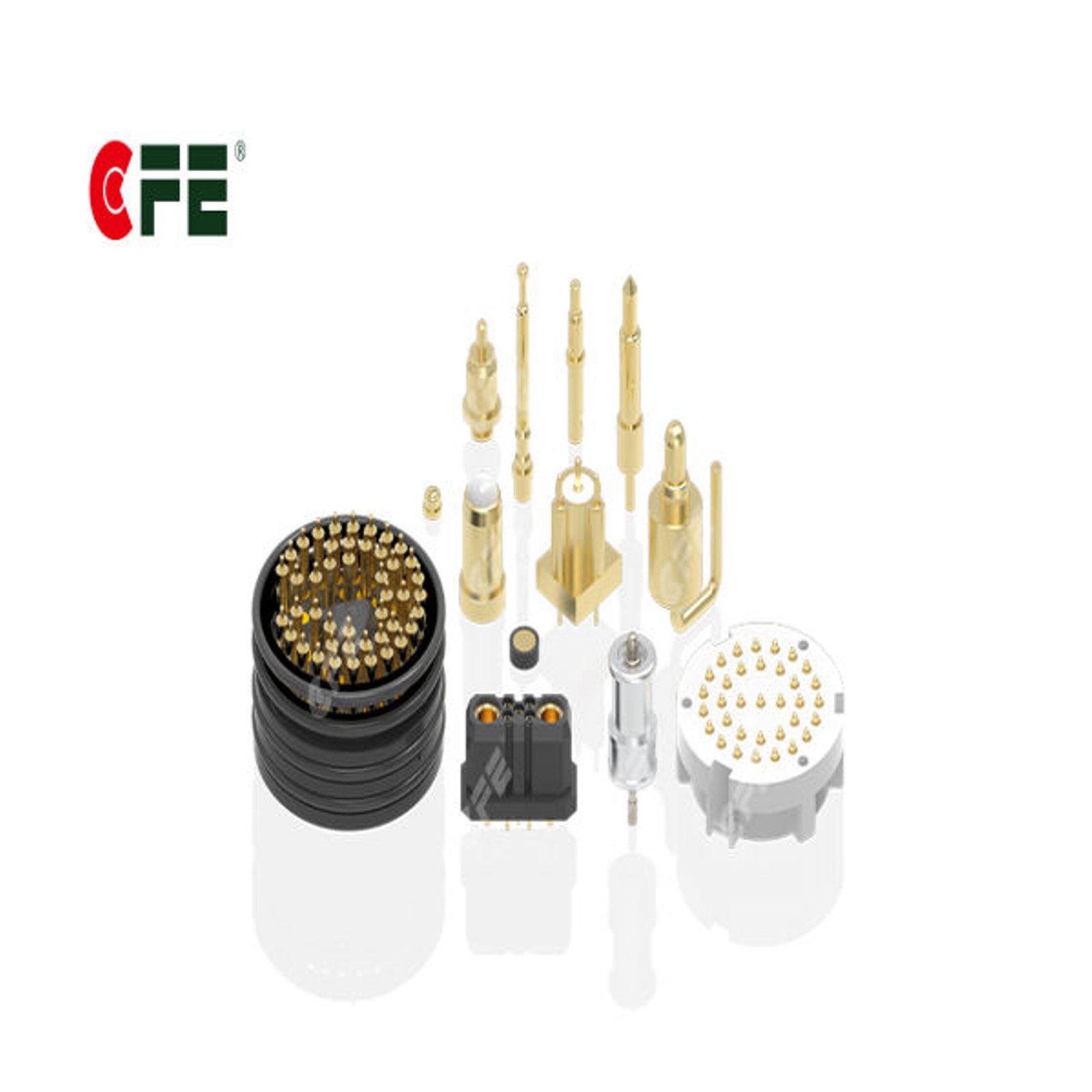
Pogo pin contacts – sometimes called spring-loaded pins – are made up of three main pieces that work together like a tiny push-button system
Plunger (Pin Head)
Spring
Barrel (Housing)
The inner spring lets the pin squeeze down while keeping steady pressure where the parts meet. Because of this setup, power flows well no matter small gaps, shakes, or plugging and unplugging many times.
Why Reliability Matters in Pogo Pin Contacts
You can’t skip reliability when it comes to today’s gadgets – it’s a must-have. Bad pogo pins might cause shaky signals, dropped power, broken links, or worse – full breakdowns.
Key reasons reliability is critical:
Consistent Electrical Performance: Stable current and signal transmission
Long Service Life: Withstands thousands to millions of mating cycles
Resistance to Wear: Maintains contact integrity over time
Environmental Stability: Performs under temperature changes, vibration, and humidity
CFE makes pogo pin contacts built to tough specs, so they work well when used outside the lab. These parts are designed carefully, which helps them stay reliable under pressure.
Key Features of Reliable Pogo Pin Contacts by CFE
High-quality pogo pin contacts offer a range of features that enhance performance and longevity:
1. Precision Engineering
CFE pogo pins are manufactured with tight tolerances to ensure uniform contact force and alignment, minimizing signal disruption.
2. High-Quality Materials
Premium metals like brass or stainless steel – along with gold-coated contacts – boost signal flow while resisting rust.
3. Optimized Spring Force
A steady spring push keeps things connected tightly – yet gentle enough to avoid harming parts or surfaces it touches.
4. Long Cycle Life
Built to handle lots of connect-disconnect rounds, so they work well in testing setups, power ports, or gadgets plugged in often.
Types of Pogo Pin Contacts
Figuring out the various kinds of spring-loaded pins makes it easier to pick what works best – since each type fits certain needs differently
1. Standard Pogo Pins
Found in everyday gadgets, test tools – also power ports.
2. High-Current Pogo Pins
Built for heavier current demands – often found in power links or battery charge setups.
3. Fine-Pitch Pogo Pins
Fits tight spots – perfect for gadgets like smartwatches or phones that don’t have much room inside.
4. Waterproof Pogo Pins
Enclosed setups keep out water and grime – ideal for use outside or in healthcare settings. These tight units block dampness while resisting particles, great where cleanliness matters most.
Applications of Pogo Pin Contacts
Sturdy spring-loaded pins work in lots of fields
Consumer Electronics: Smartphones, tablets, smartwatches, earbuds
Medical Devices: Diagnostic tools, wearable health monitors
Automotive Electronics: Sensors, control modules, infotainment systems
Industrial Equipment: Testing fixtures, automation systems
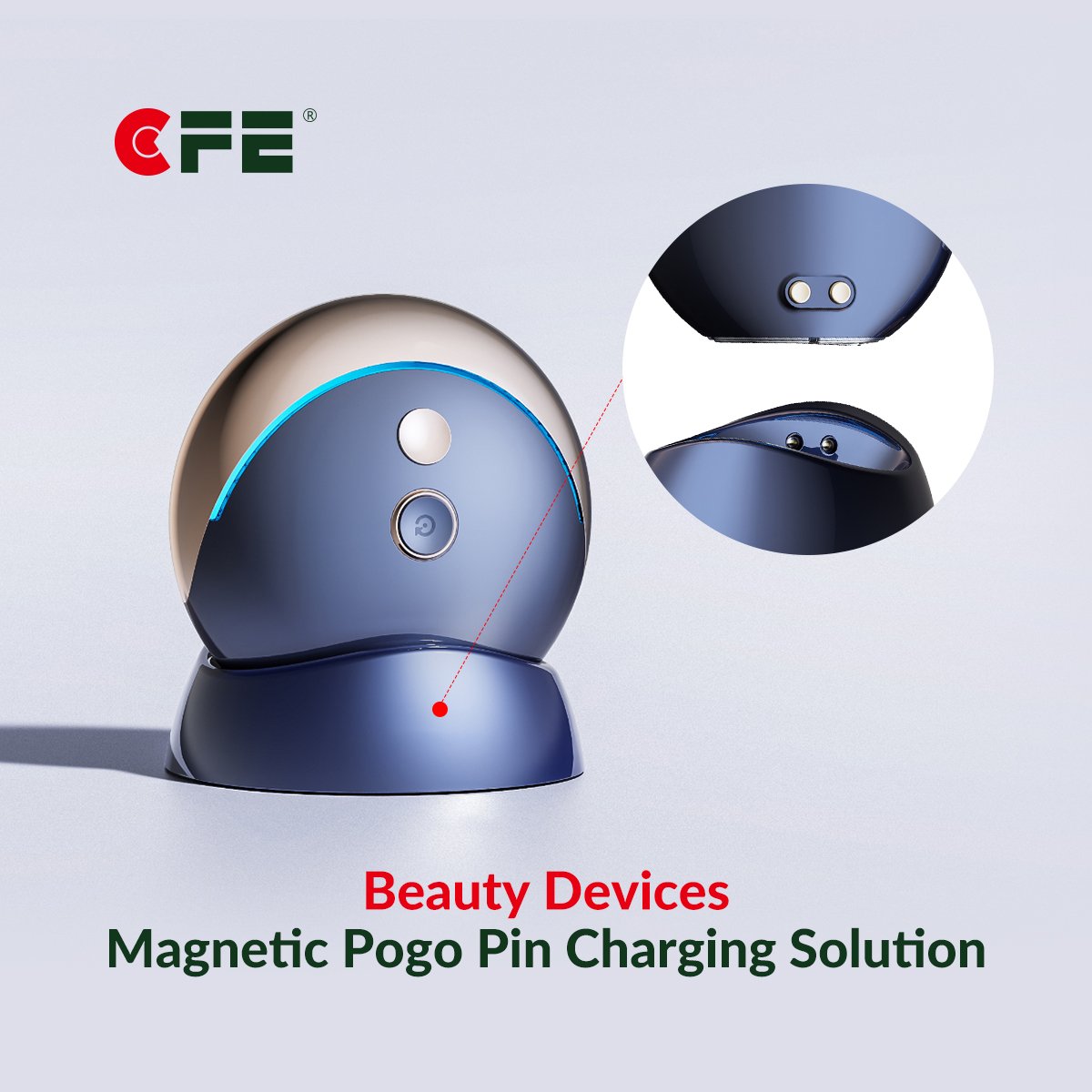
Charging Solutions: Magnetic connectors, charging docks
CFE pogo pin contacts work better because they’re built for how you actually use them.
Design Considerations for Reliable Pogo Pin Contacts
While adding pogo pins to your setup, keep these things in mind:
Contact Force
Weak pressure leads to shaky contacts; on the flip side, heavy hand can ruin the pads.
Plating Material
Gold plating works better when you need less electrical resistance or protection from rust.
Stroke Length
Leave enough squeeze space to handle small differences.
Current Rating
Pick pogo pins that handle the voltage you need or work with your current levels.
Why Choose CFE for Pogo Pin Contacts?
CFE’s got a solid rep for making dependable pogo pins that fit today’s tech demands. Thanks to their eye on top-notch build, personal tweaks, or speed, they help makers out – whether it’s early design talks or cranking out big batches.
Benefits of choosing CFE:
Consistent quality control
Tailored spring-loaded contact options
Industry-compliant manufacturing
Trusted performance in real-world uses
FAQs
How long do pogo pin contacts last?
Good pogo pins might handle anything from 10k to way more than a million uses – depends how they’re built and what you use them for.
Q2: Can pogo pins handle fast signals?
Yep, if built right – using good stuff plus smart layout – pogo pins handle fast signals just fine.
Q3: Can pogo pins be customized for specific applications?
Fine. CFE builds special pogo pins using power needs, dimensions, or working conditions as a base.
Q4: Do pogo pins work better than old-style connectors?
When apps need lots of plugging in, small shape, or bendy setup, pogo pins usually work better than old-style connectors.
Q5: Do pogo pins require maintenance?
Most of the time, nah. Good pogo pins work fine without much care plus last a real long while.
Conclusion
Pogo pin contacts help keep electrical links strong and steady in today’s gadgets. Whether it’s tiny personal tech or heavy-duty machines and medical gear, picking the correct pogo pin setup boosts how well things run – and how long they last.
This go-to guide on solid pogo pin connections from CFE shows why good build, smart layout, or dependable production matter. When makers pick sturdy pogo pins made by CFE, they get steady results, fewer breakdowns, yet lasting worth in their gadgets.
Lorem ipsum dolor sit amet, consectetur adipiscing elit. Ut elit tellus, luctus nec ullamcorper mattis, pulvinar dapibus leo.