Introduction
In modern electronics, pogo pins — also known as spring-loaded pins — play a crucial role in establishing temporary or repeated electrical connections. These small yet powerful components are designed for reliability, precision, and long-lasting performance in testing, charging, and modular designs.

spring-loaded pins
If you’re in the electronics manufacturing or connector industry, understanding how pogo pins work can help you choose the right type for your products, improve connection efficiency, and reduce design complexity.
In this guide, we’ll explore how pogo pins function, their internal structure, applications, and why they’ve become a preferred choice for high-performance electronic connections.
What Are Pogo Pins?
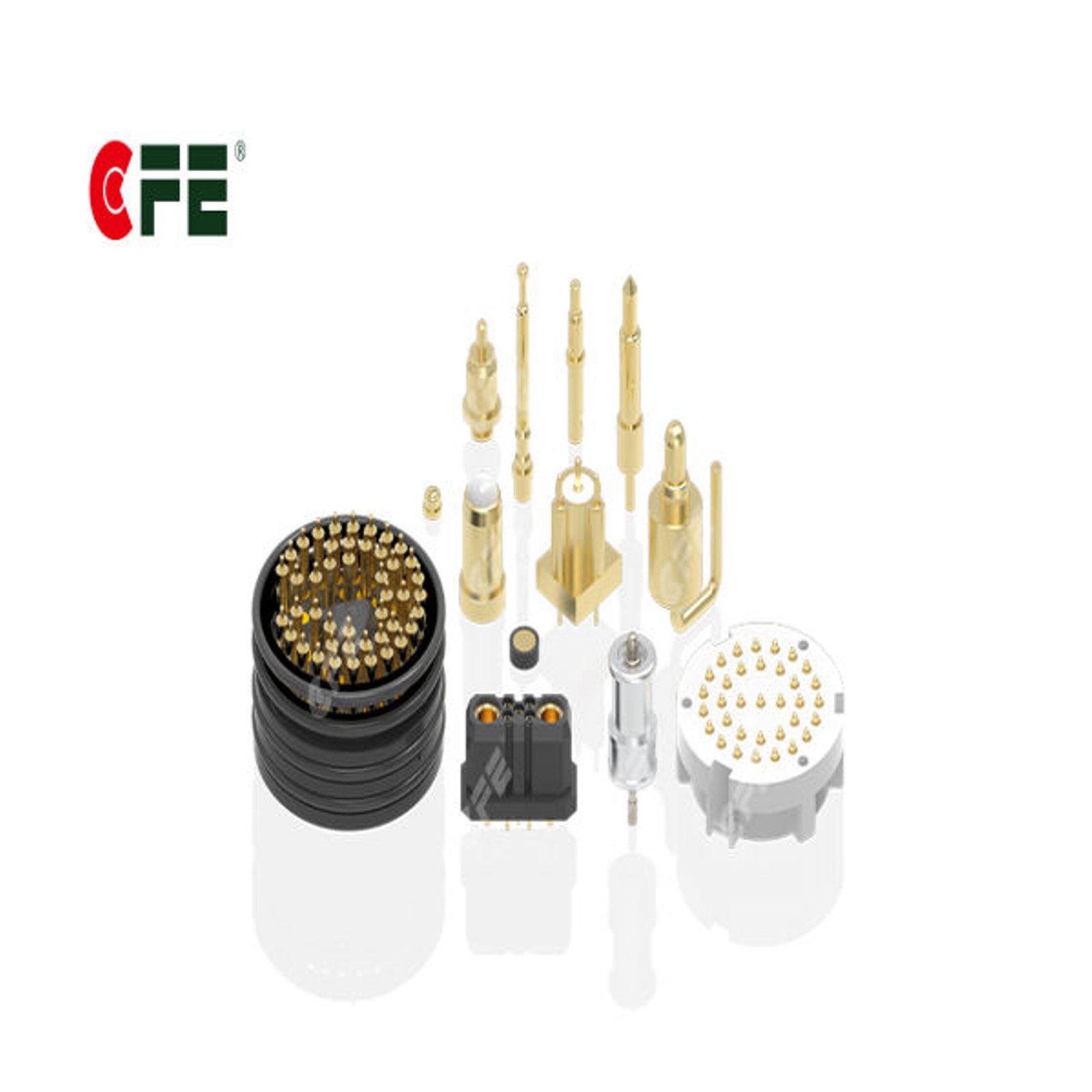
Pogo pins are spring-loaded electrical connectors designed to create a temporary connection between two devices or components. They consist of three main parts — the plunger, barrel, and spring — which together enable the pin to maintain consistent pressure and conductivity even under mechanical stress or movement.
They are commonly used in:
-
Test fixtures and programming devices
-
Battery charging bases
-
Mobile phone docks
-
Wearable electronics
-
Automotive components
-
Medical devices
Their unique design ensures a reliable electrical connection while allowing for repeated engagement and disengagement without performance degradation.
The Basic Structure of Pogo Pins
To understand how pogo pins work, it’s important to know their internal structure. Each pogo pin is composed of:
1. The Plunger
The plunger is the movable part of the pin that makes direct contact with the mating surface or test pad. It’s typically made from brass or beryllium copper and is often gold-plated to ensure excellent conductivity and corrosion resistance.
2. The Barrel
The barrel houses the plunger and spring. It provides structural support and defines the pin’s overall length and travel distance. The barrel also helps maintain mechanical stability during compression.
3. The Spring
At the heart of the pogo pin is the spring, which provides the necessary force for contact pressure. It ensures the plunger maintains consistent contact with the mating surface, even when subject to vibration or movement.
How Do Pogo Pins Work?
The working principle of pogo pins revolves around spring-loaded contact pressure. Here’s how they operate:
-
Compression and Contact Formation
When the plunger of the pogo pin presses against a contact surface, the spring inside the barrel compresses. This compression ensures the plunger applies steady pressure on the surface, creating a secure electrical connection. -
Consistent Conductivity
The gold-plated surfaces reduce contact resistance and oxidation, ensuring stable conductivity. The spring maintains this pressure even if there’s vibration or slight movement between connected parts. -
Return to Original Position
Once the external pressure is released, the spring pushes the plunger back to its original position, ready for the next engagement. This makes pogo pins reusable for thousands of cycles.
Essentially, pogo pins work as self-adjusting electrical contacts — they adapt to minor variations in height and alignment, making them ideal for precision electronic applications.
Advantages of Using Pogo Pins
Pogo pins offer numerous benefits compared to traditional fixed connectors:
1. High Durability
They can withstand tens of thousands of mating cycles, making them suitable for testing environments and repetitive use.
2. Compact Design
Their small size makes them perfect for compact electronic devices where space is limited.
3. Reliable Contact Pressure
The built-in spring ensures stable and continuous contact, minimizing connection loss and electrical resistance.
4. Corrosion Resistance
Gold-plated surfaces protect against corrosion and wear, extending the pin’s life span.
5. Easy Maintenance
Since pogo pins are modular, they can be easily replaced or integrated into test fixtures and connectors without redesigning the entire system.
Applications of Pogo Pins
Pogo pins are incredibly versatile and used across multiple industries. Here are some common applications:
1. Electronic Testing
Used in test fixtures to check circuit boards, components, and modules. They enable quick, repeatable, and accurate testing without soldering.
2. Battery Charging
Used in smartphone charging docks, smartwatches, and portable devices for safe and efficient charging connections.
3. Medical Devices
Provide reliable electrical connections in sensitive equipment like diagnostic tools or patient monitoring systems.
4. Automotive Systems
Used in connectors for infotainment systems, sensors, and electric vehicle charging modules.
5. Consumer Electronics
Applied in wireless earbuds, power banks, and docking stations for stable charging and data transfer.
Types of Pogo Pins
There are several variations of pogo pins, each designed for specific uses:
1. Solder-Type Pogo Pins
Used in permanent circuit assemblies where the pin is soldered onto a PCB.
2. Surface-Mount Pogo Pins (SMT)
Mounted on the surface of a PCB for easy automated assembly.
3. Right-Angle Pogo Pins
Designed for compact or angled layouts where vertical mounting isn’t possible.
4. Double-Ended Pogo Pins
Used in connectors or adapters where both ends require electrical contact.
5. High-Current Pogo Pins
Built for applications that require higher amperage or power delivery.
How to Choose the Right Pogo Pin
Selecting the ideal pogo pin for your design depends on several factors:
-
Electrical Current Rating – Ensure the pin supports your circuit’s voltage and current requirements.
-
Spring Force – Choose based on how much compression pressure you need.
-
Travel Distance – Defines how much the plunger can move for contact.
-
Mounting Type – Decide between through-hole, SMT, or custom mounting options.
-
Material and Plating – Gold plating is preferred for high conductivity and corrosion resistance.
Working with an experienced pogo pin manufacturer ensures you get customized and high-performance solutions that meet your specific design needs.
Maintenance Tips for Pogo Pins
To keep pogo pins performing optimally, follow these best practices:
-
Regularly clean contact surfaces to remove dust or oxidation.
-
Avoid excessive compression beyond the rated travel range.
-
Store pins in a dry environment to prevent corrosion.
-
Replace worn-out pins to maintain connection reliability.
Proper maintenance extends their lifespan and ensures accurate electrical performance.
Future of Pogo Pin Technology
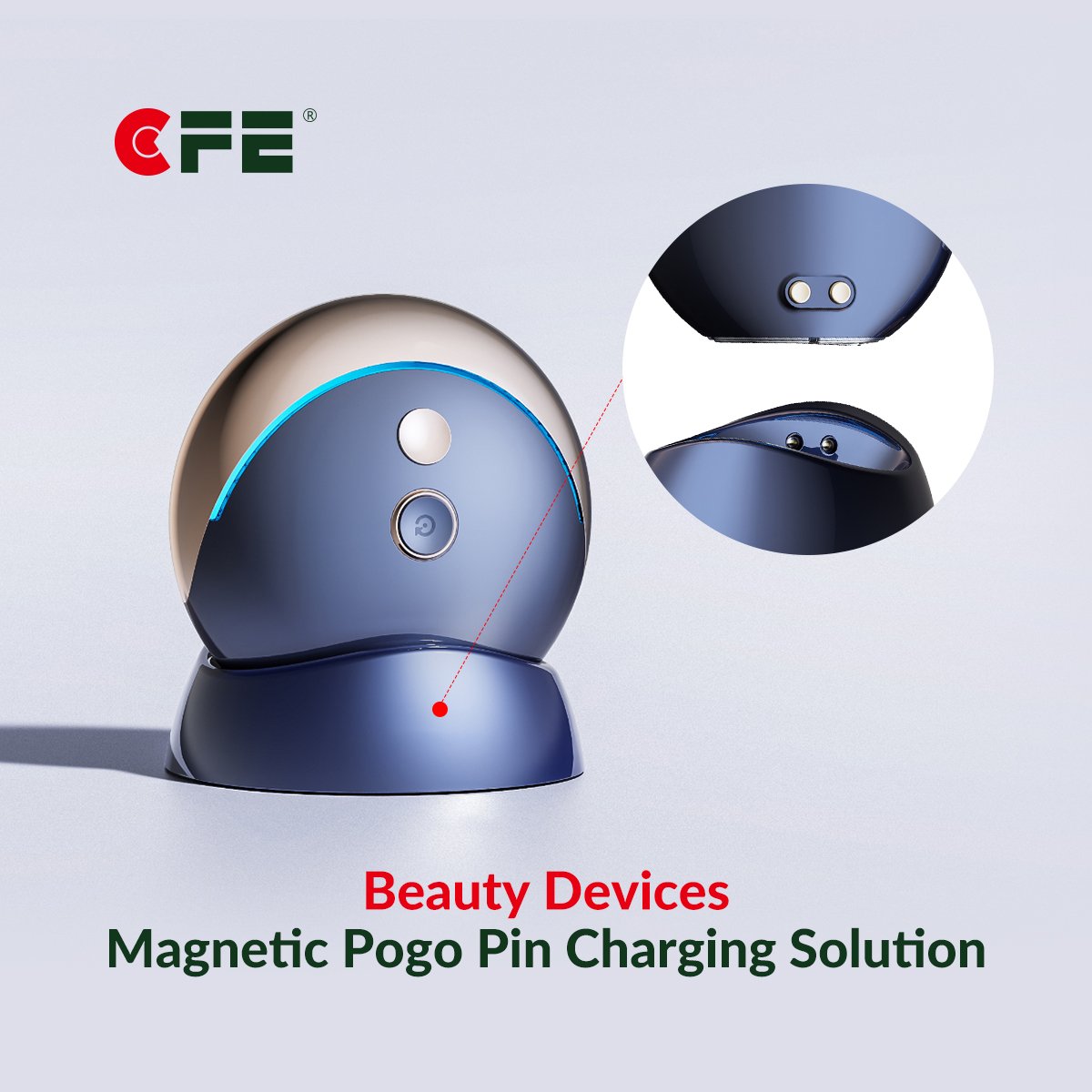
With rapid advancements in electronics, pogo pin designs are evolving to support higher current capacity, smaller footprints, and improved durability. Modern versions include magnetic pogo connectors, hermetic seals, and customized pin arrays tailored for advanced industrial and IoT applications.
As devices become more compact and complex, pogo pins will continue to play a key role in miniaturized, reliable, and efficient electrical connections.
Conclusion
Pogo pins may appear small, but their engineering precision and durability make them essential in today’s electronics. From testing and charging to modular design systems, their ability to deliver reliable, repeatable connections sets them apart from traditional connectors.
By understanding how pogo pins work, their structure, and their applications, designers and engineers can make smarter choices that enhance performance and product longevity.
FAQs About Pogo Pins
1. What is the main function of a pogo pin?
A pogo pin provides a reliable and temporary electrical connection between two components using a spring-loaded mechanism.
2. How many cycles can a pogo pin withstand?
High-quality pogo pins can withstand anywhere from 10,000 to over 100,000 mating cycles, depending on the material and design.
3. Why are pogo pins gold-plated?
Gold plating improves conductivity, resists oxidation, and ensures consistent electrical performance over time.
4. Can pogo pins handle high current?
Yes. Specially designed high-current pogo pins can handle higher amperage, typically used in battery charging or power delivery systems.
5. How do I maintain pogo pins for long life?
Regular cleaning, avoiding over-compression, and replacing damaged pins help maintain their performance and extend lifespan.