Introduction
The evolution of wearables and smart devices has accelerated rapidly over the past decade. From fitness trackers and smartwatches to medical monitoring systems and smart accessories, modern electronics are becoming smaller, smarter, and more connected. One critical yet often overlooked component powering this evolution is the pogo pin connector.

The integration of pogo pins in next-gen wearables & smart devices is redefining how manufacturers achieve compact design, reliable charging, high-speed data transfer, and long-term durability. As design standards advance across premium consumer electronics markets, pogo pin technology is now considered a core solution for meeting performance, safety, and compliance expectations.
This article explores how pogo pins are transforming wearable and smart device design, their advantages, applications, design considerations, and future trends shaping the electronics industry.
What Are Pogo Pins and Why They Matter
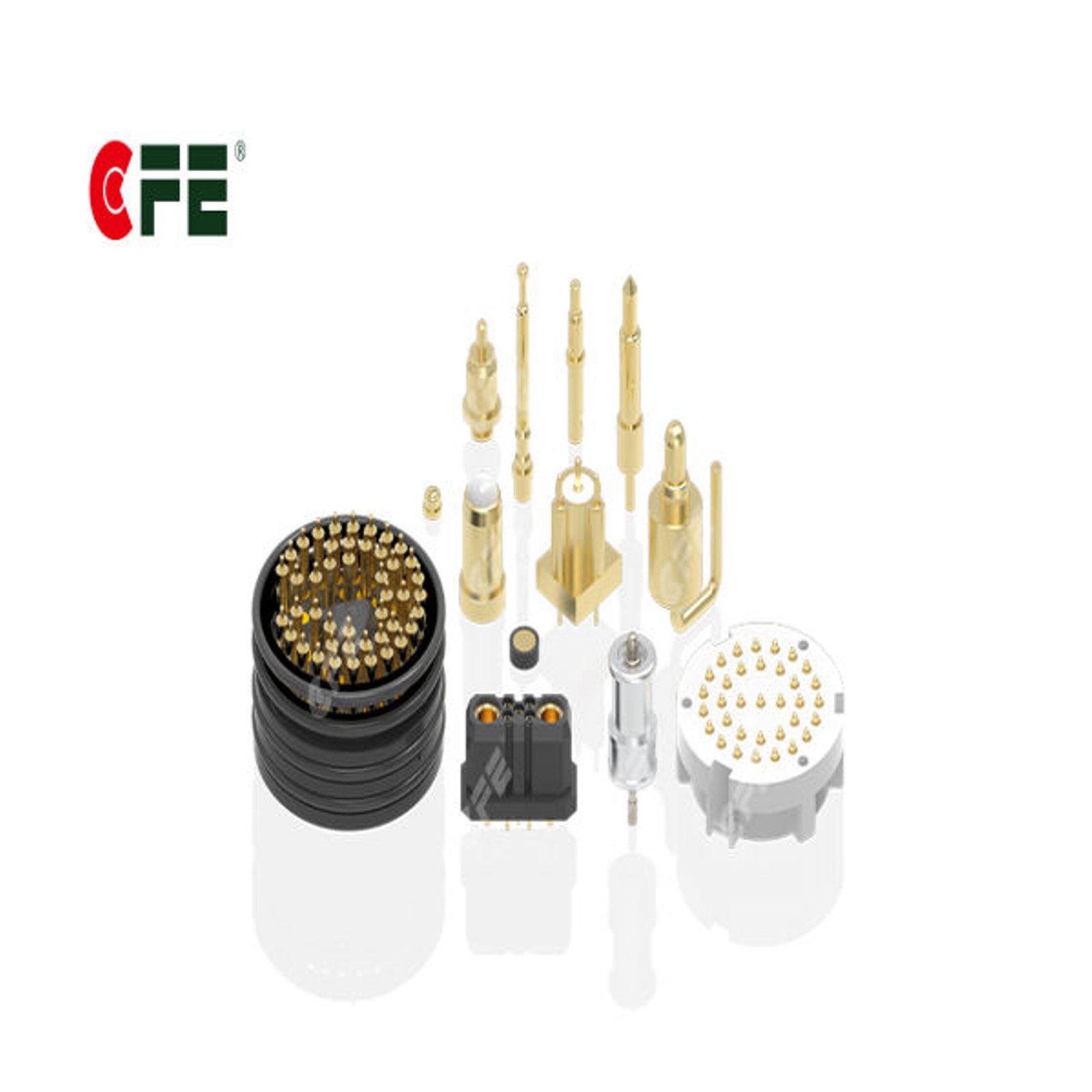
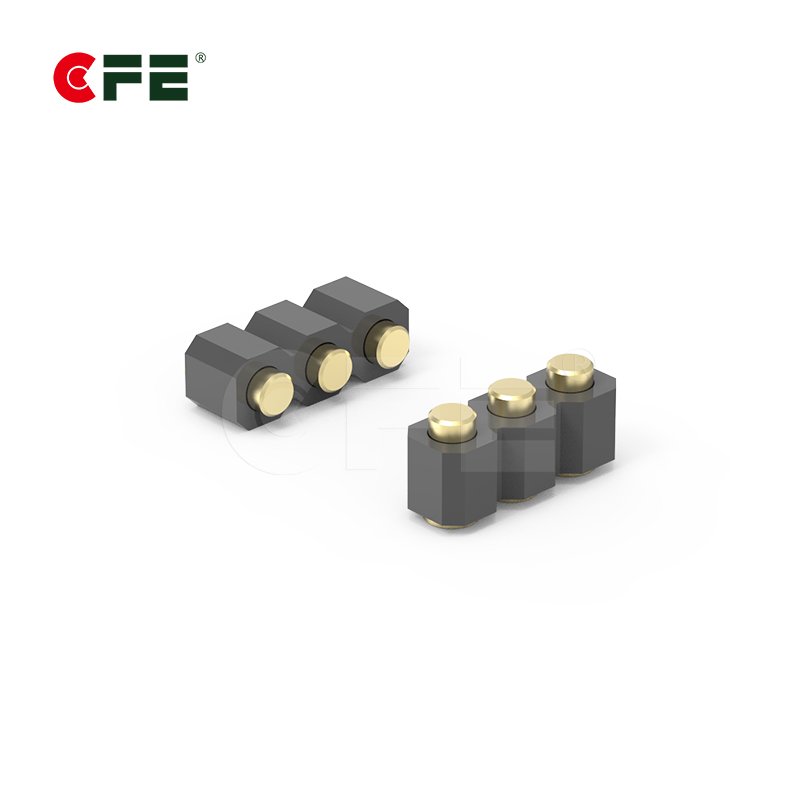
Pogo pins are spring-loaded electrical connectors designed to provide consistent electrical contact between two surfaces. Unlike traditional fixed connectors, pogo pins adapt to movement, vibration, and repeated connection cycles without losing conductivity.
Key characteristics include:
- Spring-loaded internal mechanism
- Gold-plated or corrosion-resistant contact tips
- High mating cycle lifespan
- Compact and low-profile form factor
In wearable electronics, where space, reliability, and comfort are non-negotiable, pogo pins provide a superior alternative to bulky ports and fragile connectors.
Role of Pogo Pins in Next-Generation Wearables
1. Compact and Seamless Device Design
Next-gen wearables prioritize minimal thickness and sleek aesthetics. Traditional USB or exposed charging ports limit design freedom and compromise water resistance.
Pogo pins enable:
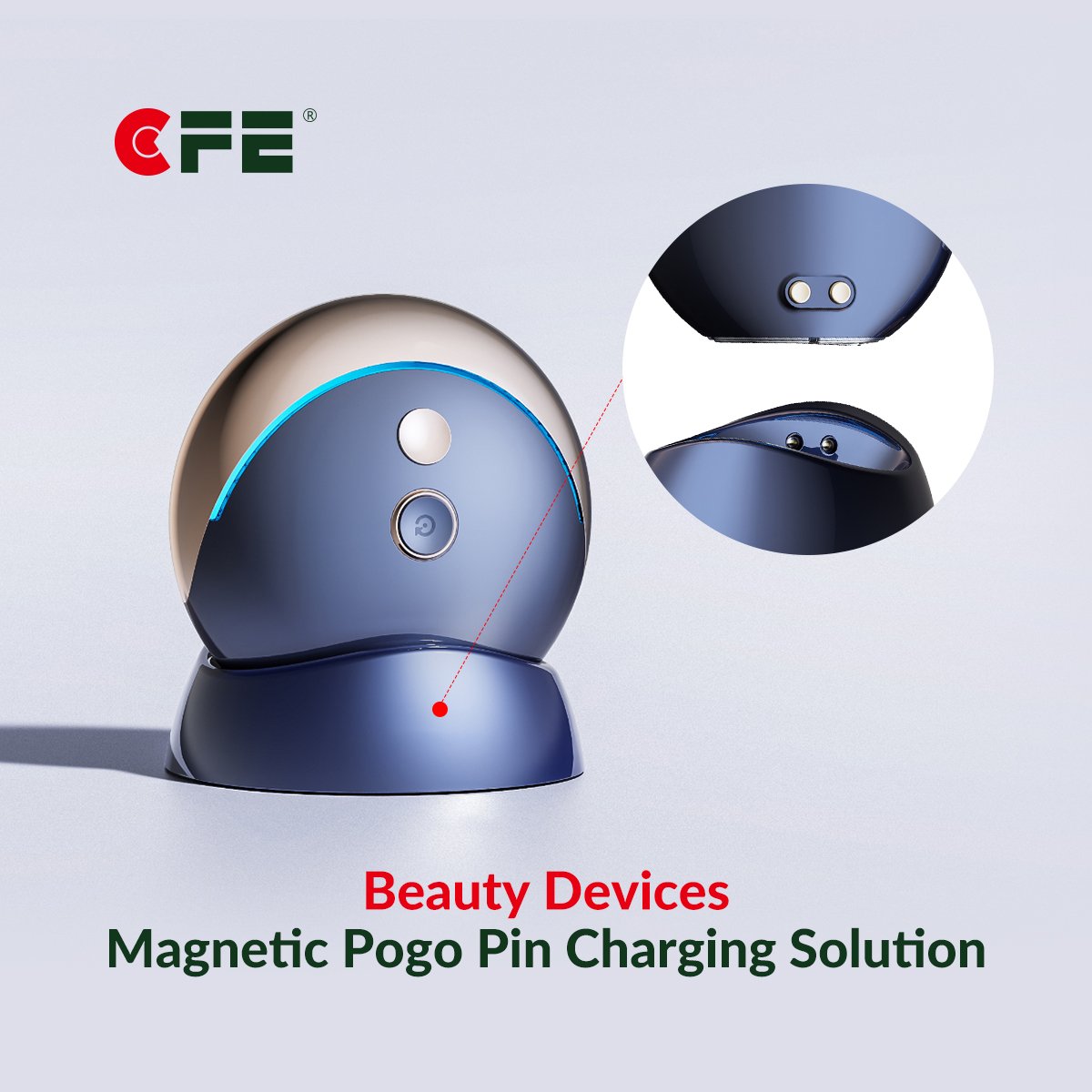
- Port-free charging interfaces
- Ultra-slim device profiles
- Seamless back-panel integration
- Improved ergonomic comfort
This is especially important for smart rings, wrist-based health monitors, and lightweight smart bands.
2. Reliable Charging for Daily Wear
Wearables are charged frequently, sometimes daily. Pogo pins are designed for high mating cycles, often exceeding tens of thousands of connections.
Benefits include:
- Stable power transfer
- Reduced wear compared to plug-in connectors
- Consistent performance under frequent use
This reliability aligns with premium consumer electronics standards, where long product life is expected.
3. Enhanced Data Transmission
Modern wearables do more than track steps. They transmit health metrics, biometric data, and firmware updates.
Advanced pogo pin connectors support:
- Fast data synchronization
- Low contact resistance
- Stable signal integrity
This makes them ideal for diagnostic docks, development testing, and accessory-based data exchange.
Integration of Pogo Pins in Smart Devices
Smart Accessories and Modular Electronics
Smart accessories such as detachable keyboards, charging docks, and modular sensors increasingly rely on pogo pins.
Advantages include:
- Tool-free magnetic alignment
- Secure electrical connection
- Quick attachment and detachment
This approach supports modular ecosystems where devices expand functionality without cables.
Medical and Health Monitoring Devices
In medical-grade smart devices, safety and reliability are critical. Pogo pins enable:
- Enclosed, easy-to-clean surfaces
- Reduced contamination risk
- Secure charging without exposed ports
Their compliance with strict quality and safety standards makes them suitable for professional health monitoring equipment.
Why Pogo Pins Are Preferred Over Traditional Connectors
Feature | Pogo Pins | Traditional Connectors |
Durability | Very High | Moderate |
Water Resistance | Excellent | Limited |
Design Flexibility | High | Low |
Mating Cycles | 10,000+ | Lower |
Maintenance | Minimal | Frequent |
Manufacturers targeting advanced electronics markets increasingly choose pogo pins to meet evolving consumer expectations.
Design Considerations for Pogo Pin Integration
To maximize performance, engineers must consider:
- Contact Force Optimization
Ensures reliable electrical connection without damaging contact pads. - Material Selection
Gold-plated contacts reduce oxidation and improve conductivity. - Pin Pitch and Alignment
Precision spacing is essential for high-density wearable designs. - Environmental Resistance
Protection against sweat, dust, and moisture is critical for wearables.
Design teams working under international compliance frameworks benefit from pogo pin solutions that meet electrical and mechanical reliability benchmarks.
Use Cases in Next-Gen Wearables
- Smart fitness bands
- Smartwatches and luxury wearables
- Health monitoring patches
- Smart eyewear
- Audio wearables and charging cases
Each of these devices benefits from pogo pin connectors that enable compact design and dependable performance.
Future Trends in Pogo Pin Technology
The future of pogo pins in smart electronics is shaped by innovation and sustainability:
- Miniaturized pogo pin arrays for ultra-compact devices
- Higher current ratings for fast charging
- Advanced coatings for longer lifespan
- Magnetic-pogo hybrid connectors
- Eco-friendly materials meeting modern compliance expectations
As wearables evolve toward AI-driven and sensor-rich platforms, pogo pins will remain a foundational component.
FAQs
Q1: Why are pogo pins ideal for wearable devices?
Pogo pins offer compact size, high durability, reliable charging, and resistance to wear, making them perfect for daily-use electronics.
Q2: Are pogo pins suitable for waterproof wearables?
Yes. They support sealed designs that improve water and sweat resistance compared to open charging ports.
Q3: Can pogo pins handle data transfer as well as power?
Modern pogo pin connectors are designed to support both stable power delivery and reliable data transmission.
Q4: How long do pogo pins typically last?
High-quality pogo pins can handle tens of thousands of connection cycles without performance loss.
Q5: Are pogo pins compliant with advanced electronics standards?
Yes. They are widely used in products built to meet strict quality, safety, and performance requirements.
Conclusion
The integration of pogo pins in next-gen wearables & smart devices is no longer optional—it is a strategic design choice. As consumer expectations grow for slimmer designs, faster charging, and long-lasting performance, pogo pin technology delivers unmatched reliability and flexibility.
From fitness wearables to advanced smart accessories, pogo pins enable innovation while meeting demanding engineering standards. As the smart device ecosystem continues to evolve, pogo pins will remain a key enabler of durable, elegant, and future-ready electronics.