Pogo Pin Connector for Electronics and Charging
Introduction
In modern electronics, connectors play a crucial role in ensuring reliable power and data transmission. Two of the most popular connector types used in compact devices are pogo pin connectors and magnetic connectors.
From smartphones and wearables to industrial devices and medical equipment, these connectors are widely used due to their efficiency and compact design. But when it comes to choosing between the two, many engineers and buyers get confused.
This detailed guide will help you understand the differences, advantages, disadvantages, and ideal applications of both connectors so you can make the right choice.
What is a Pogo Pin Connector?
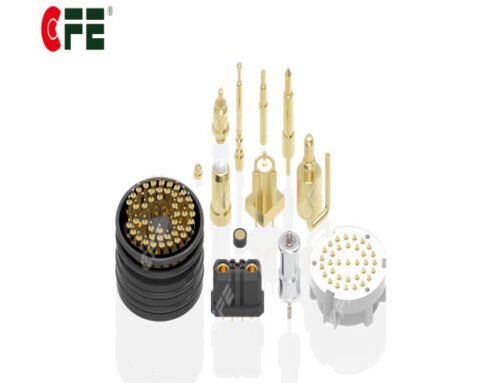
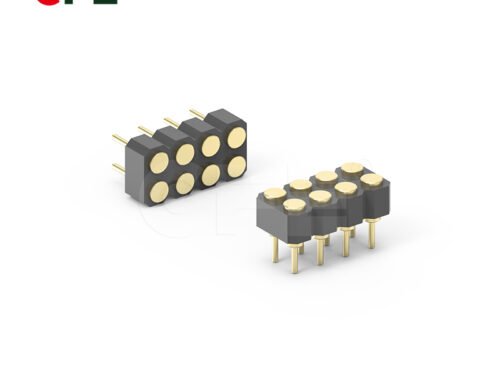
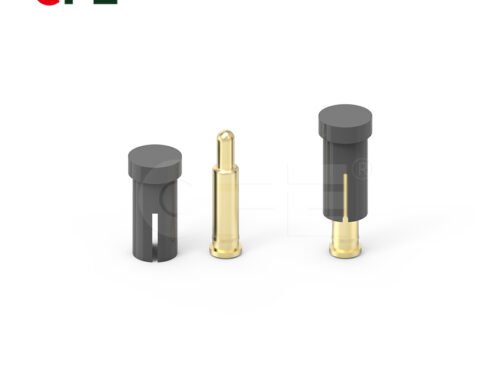
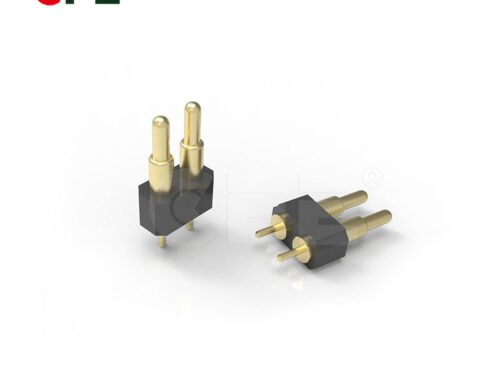
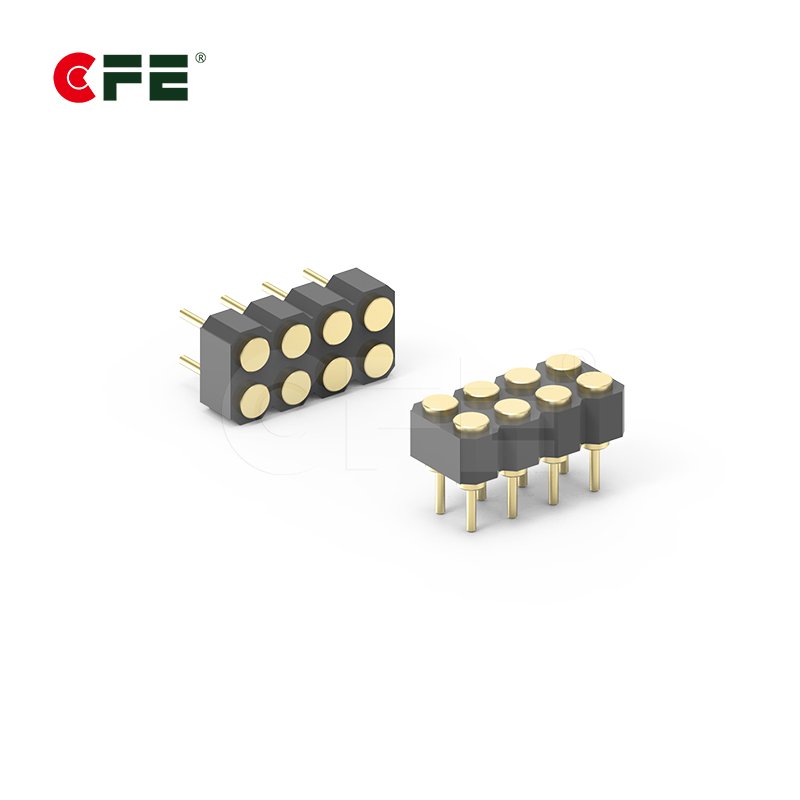
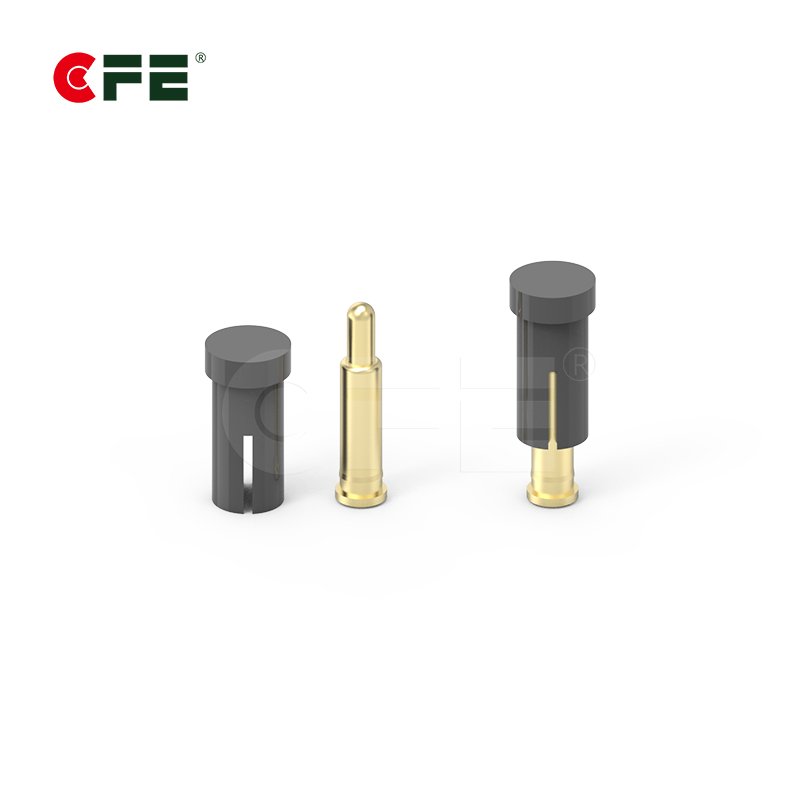
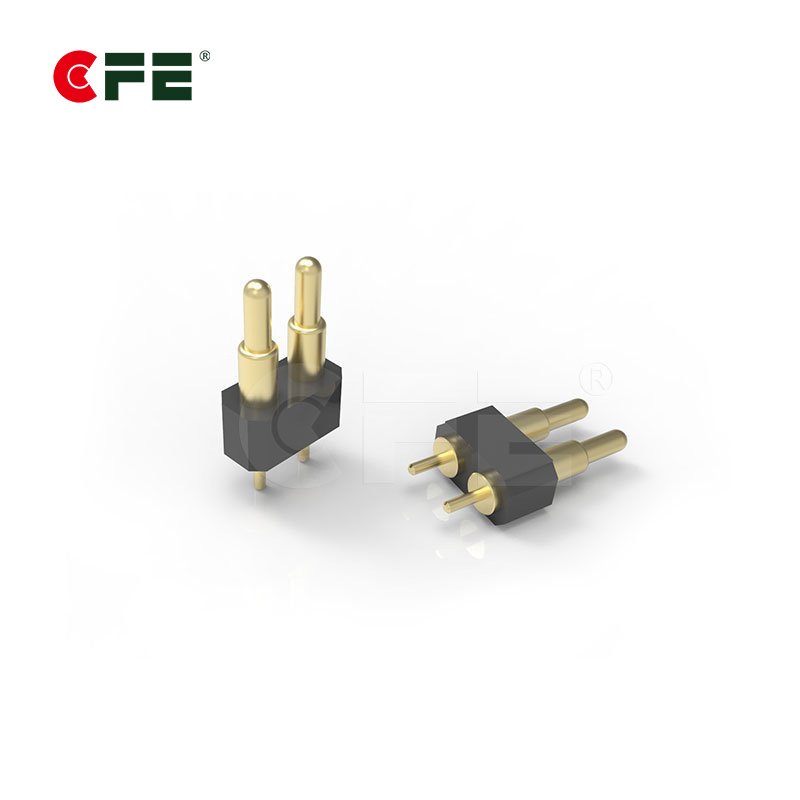
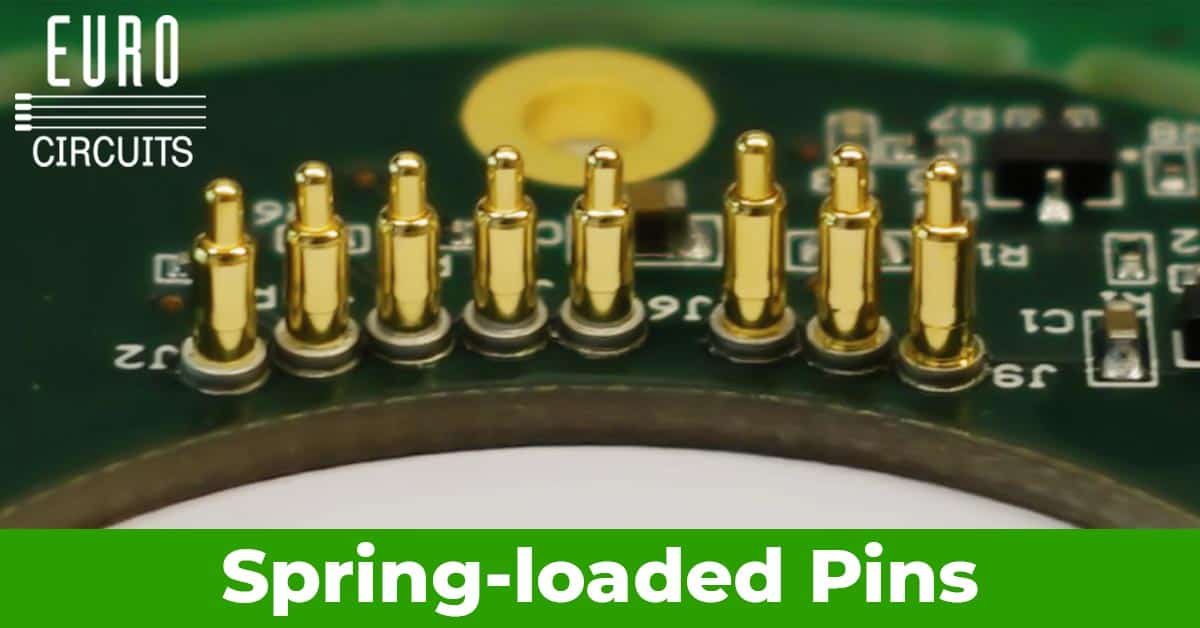
A pogo pin connector is a spring-loaded electrical connector that uses pins with internal springs to maintain consistent contact with a mating surface.
Key Features:
- Spring-loaded pins
- Reliable electrical contact
- High durability
- Compact size
- Customizable layouts
How It Works:
Each pin contains a spring mechanism that compresses when it touches a contact pad, ensuring a stable connection even under vibration or movement.
Common Applications:
- PCB testing
- Wearable devices
- Docking stations
- Medical equipment
- Battery connections
What is a Magnetic Connector?
A magnetic connector uses magnets to align and connect two components automatically. It often includes pogo pins inside but adds magnetic guidance for ease of use.
Key Features:
- Magnetic alignment
- Easy plug-and-play
- User-friendly design
- Reduced wear and tear
- Enhanced safety
How It Works:
Magnets pull the connector into place, ensuring proper alignment while electrical contacts transfer power or data.
Common Applications:
- Smartphone charging cables
- Smartwatches
- Laptops
- Consumer electronics
- IoT devices
Pogo Pin vs Magnetic Connector: Key Differences
Feature |
Pogo Pin Connector |
Magnetic Connector |
|---|---|---|
| Connection Type | Mechanical (spring-loaded) | Magnetic + mechanical |
| Ease of Use | Moderate | Very easy |
| Alignment | Manual | Automatic |
| Durability | High | Moderate to high |
| Safety | Standard | High (auto-detach) |
| Cost | Lower | Higher |
| Applications | Industrial, testing | Consumer electronics |
Advantages of Pogo Pin Connectors
1. High Reliability
Pogo pins provide stable electrical contact even in harsh environments.
2. Long Lifespan
They can withstand thousands of mating cycles without failure.
3. Custom Design Flexibility
You can design them in different shapes, sizes, and pin configurations.
4. Cost-Effective
Compared to magnetic connectors, pogo pins are generally more affordable.
Disadvantages of Pogo Pin Connectors
- Requires precise alignment
- Less user-friendly
- Can wear out contact pads over time
- Not ideal for frequent manual connections
Advantages of Magnetic Connectors
1. Easy to Use
Magnetic connectors snap into place effortlessly, making them perfect for everyday use.
2. Improved Safety
They disconnect easily when pulled, preventing device damage.
3. Better User Experience
No need to worry about alignment or forceful insertion.
4. Reduced Wear
Less mechanical stress compared to traditional connectors.
Disadvantages of Magnetic Connectors
- Higher cost
- Lower holding strength in some cases
- Susceptible to dust and debris
- Limited current capacity (in some designs)
Which One Should You Choose?
Choosing between pogo pin and magnetic connectors depends on your specific needs.
Choose Pogo Pin Connectors If:
- You need high durability
- Your application is industrial or technical
- Cost is a concern
- You require custom configurations
Choose Magnetic Connectors If:
- You want ease of use
- Your product is consumer-focused
- Safety and convenience are priorities
- You need frequent connections/disconnections
Use Case Comparison
Industrial Devices
Pogo pins are preferred due to durability and reliability.
Consumer Electronics
Magnetic connectors dominate due to convenience.
Medical Equipment
Pogo pins are commonly used for precision and stability.
Wearable Devices
Magnetic connectors are ideal for easy charging.
Future Trends in Connector Technology
The future of connectors is moving toward hybrid solutions, combining pogo pins with magnetic alignment. This offers:
- Strong electrical performance
- Easy usability
- Enhanced safety
Many modern devices already use this hybrid approach.
FAQs
Q1: Are magnetic connectors better than pogo pins?
Magnetic connectors are better for ease of use, while pogo pins are better for durability and reliability.
Q2: Do magnetic connectors use pogo pins?
Yes, many magnetic connectors include pogo pins for electrical contact.
Q3: Which connector lasts longer?
Pogo pin connectors generally have a longer lifespan due to robust construction.
Q4: Are magnetic connectors safe?
Yes, they are safer because they disconnect easily under stress, preventing damage.
Q5: Can pogo pins handle high current?
Yes, pogo pins can be designed to handle higher currents compared to many magnetic connectors.
Conclusion
Both pogo pin connectors and magnetic connectors offer unique advantages depending on the application.
If you prioritize durability, reliability, and cost-efficiency, pogo pins are the best choice. On the other hand, if you value user convenience, safety, and modern design, magnetic connectors are the ideal solution.
Ultimately, the right choice depends on your product requirements, user experience goals, and budget. In many cases, combining both technologies can deliver the best results.