What Are Pogo Pins in Smartphones?
Pogo pins are spring-loaded electrical connectors designed to maintain consistent contact between circuits.
In smartphones, these small yet powerful components enable reliable connections for charging, data transfer, and modular attachments.
Unlike traditional connectors that rely on friction, pogo pins use a spring mechanism inside a barrel that allows controlled compression and stable current flow.
Their compact design fits perfectly in today’s slim smartphone bodies, where space is limited.
Pogo pins are commonly found in accessories such as docking stations, magnetic chargers, detachable modules, and internal circuit boards.
They help ensure a secure and long-lasting connection even after thousands of insertion cycles.
By combining flexibility, precision, and mechanical resilience, pogo pins have become an essential part of smartphone design, supporting both functionality and longevity.
How Pogo Pins Work Inside Smartphones

Structure and Components
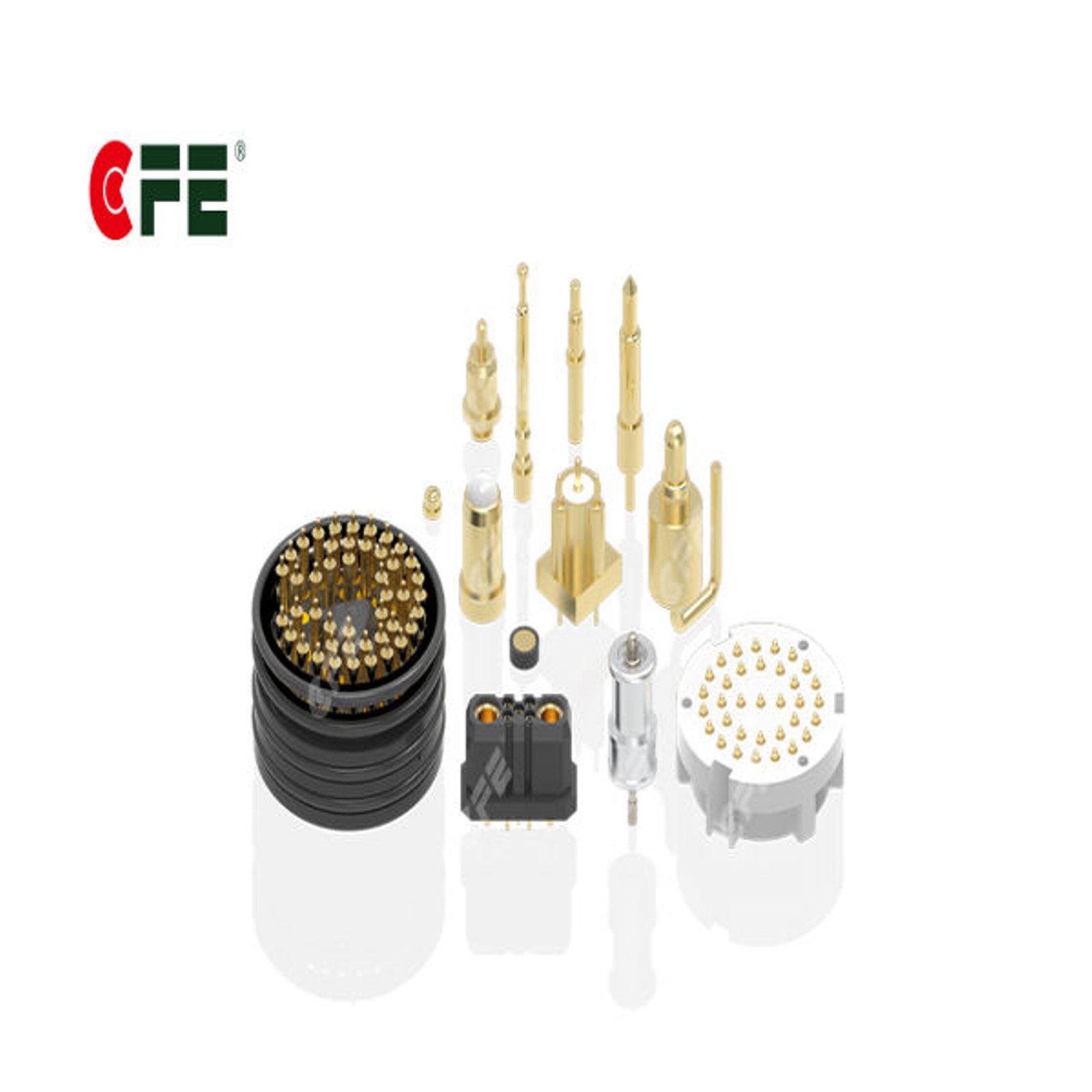
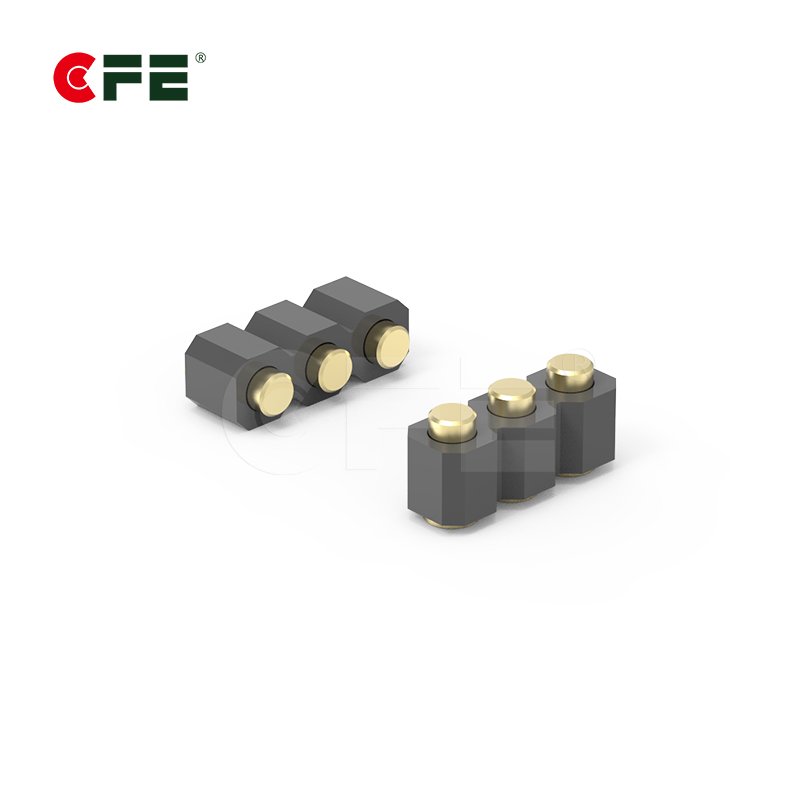
A pogo pin typically consists of three main parts: a plunger, a spring, and a barrel.
The plunger makes contact with the mating surface, while the spring provides consistent pressure to maintain electrical continuity.
High-quality pogo pins use gold-plated surfaces for enhanced conductivity and corrosion resistance.
This design ensures minimal contact resistance and superior performance across repeated uses.
Electrical Conductivity and Performance
When inserted into a mating connector, the spring compresses and allows stable electrical flow.
This design reduces wear on the mating surface and prevents accidental disconnections caused by vibration or movement.
In smartphones, pogo pins often handle signals for charging ports, speaker connections, and antenna modules.
Their ability to deliver low-resistance connections makes them ideal for compact and power-sensitive electronics.
Key Benefits of Using Pogo Pins in Mobile Devices
Pogo pins offer multiple advantages over standard connectors.
Their spring-loaded mechanism ensures stable and continuous contact, even under mechanical stress or movement.
They reduce the risk of wear and tear found in traditional plug-in ports, increasing the overall lifespan of the device.
Gold plating provides excellent corrosion protection, ensuring durability in humid or dusty environments.
Pogo pins also simplify assembly and maintenance.
Manufacturers can quickly attach or detach components without soldering, streamlining production and repair.
Their small footprint supports thinner and lighter smartphone designs while maintaining strong electrical performance.
Durability and Maintenance
Pogo pins can withstand thousands of compression cycles, making them ideal for repeated use in mobile devices.
Routine cleaning with compressed air or isopropyl alcohol keeps them in optimal condition and prevents oxidation.
Common Applications of Pogo Pins in Smartphones
Pogo pins are used in multiple smartphone areas to enhance functionality and convenience.
They appear in charging docks, detachable camera modules, and data transfer interfaces.
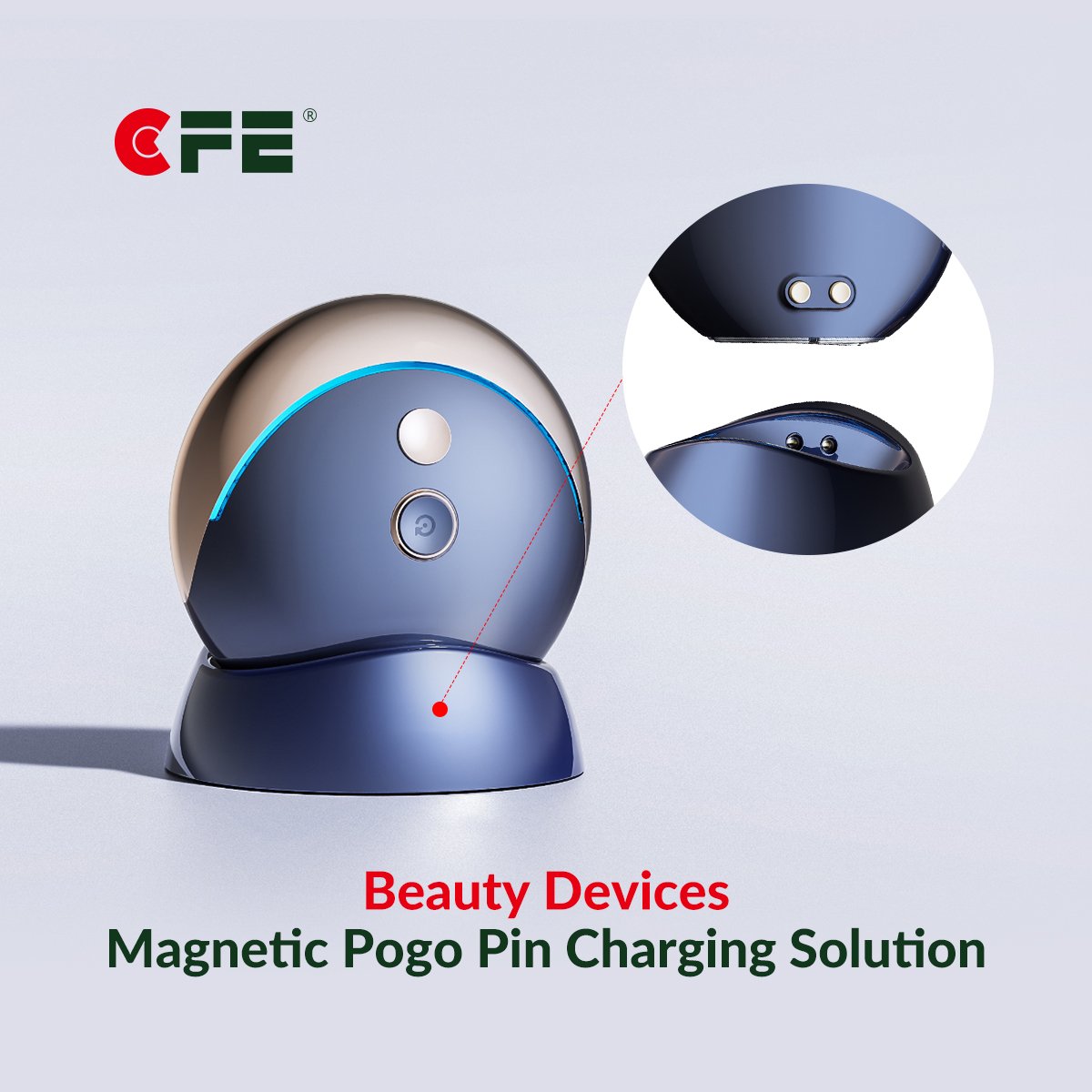
Many modern devices use magnetic pogo pin connectors for wireless accessories or desktop charging stands.
These provide a secure hold and quick alignment while eliminating the need for exposed ports.
In internal assemblies, pogo pins connect components like speakers, microphones, and sensors without additional wiring.
Their versatility supports modular phone designs, making them essential to the evolving smartphone ecosystem.
Design and Material Considerations
Environmental and Space Efficiency
Smartphones demand compact, lightweight components that can tolerate heat, moisture, and vibration.
Pogo pins are designed to meet these exact needs while minimizing space usage.
Engineers select materials like brass, beryllium copper, or stainless steel for the barrel, paired with gold plating to ensure superior conductivity and longevity.
Their modular form allows flexible layouts across device architectures.
Proper alignment, compression force, and plating thickness are critical in achieving consistent electrical performance.
Challenges and Future of Pogo Pin Technology
While pogo pins offer many advantages, they also face certain limitations.
Excessive mechanical stress or contamination can lead to performance degradation.
Design precision is vital — even minor misalignment can affect conductivity.
As smartphones evolve toward higher data speeds and compact designs, pogo pin technology is adapting.
Future innovations focus on increasing current capacity, improving magnetic alignment, and integrating waterproof sealing.
With growing demand for durability and energy efficiency, pogo pins will continue to play a vital role in the next generation of smartphones.
Conclusion
Pogo pins are critical to the performance and reliability of modern smartphones.
Their spring-loaded design ensures secure, efficient, and durable connections across various components.
By combining flexibility, compactness, and electrical stability, pogo pins have transformed how smartphones charge, transfer data, and interact with accessories.
As technology advances, their design will evolve further — continuing to power the seamless connectivity that defines the mobile experience.