Introduction
In modern electronics manufacturing, accuracy is everything. As printed circuit boards (PCBs) become more compact and complex, manufacturers need reliable testing solutions that ensure consistent electrical contact without damaging sensitive components. This is where spring-loaded test pins play a critical role. Also known as pogo pins, these components are essential in PCB testing, programming, and inspection processes across industries.

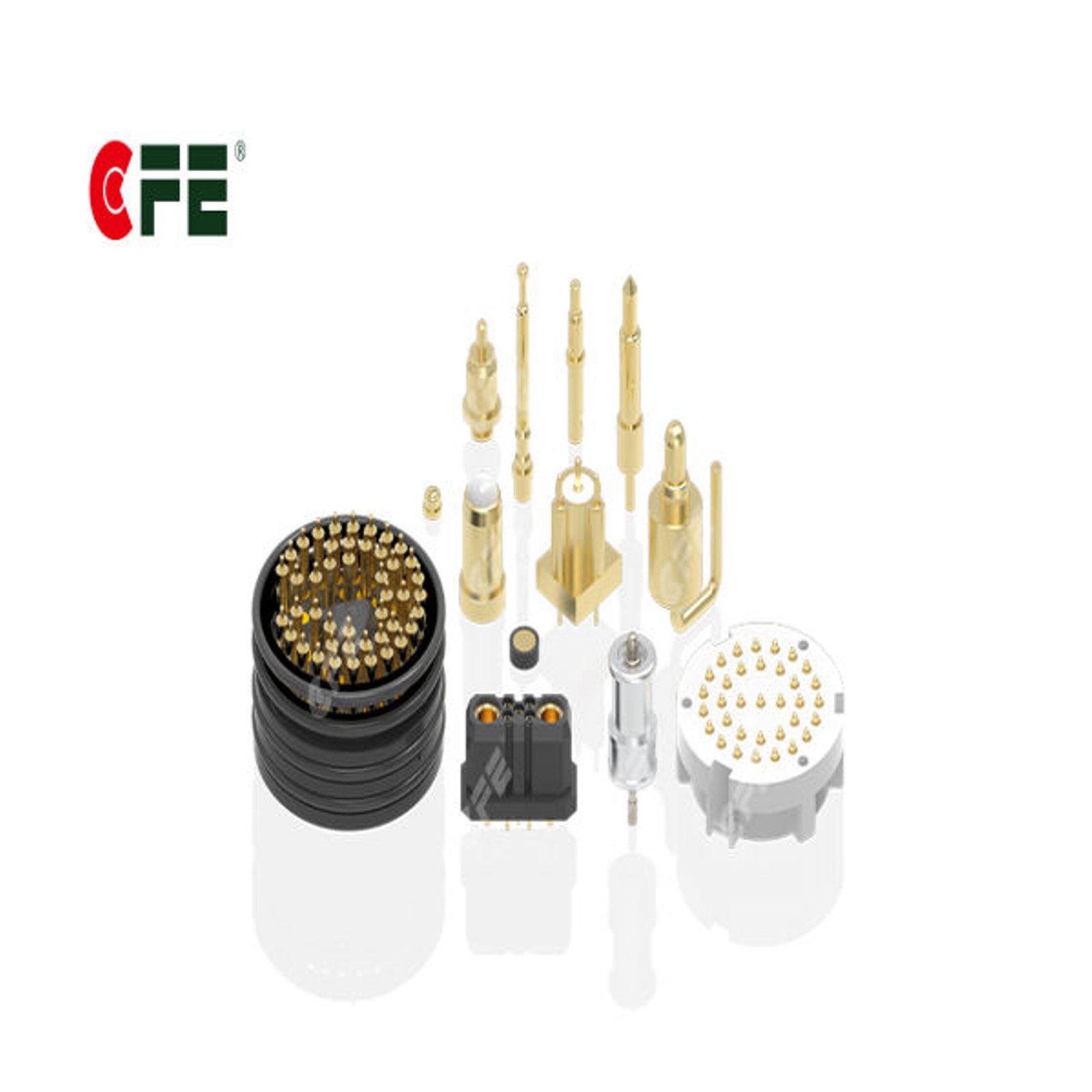
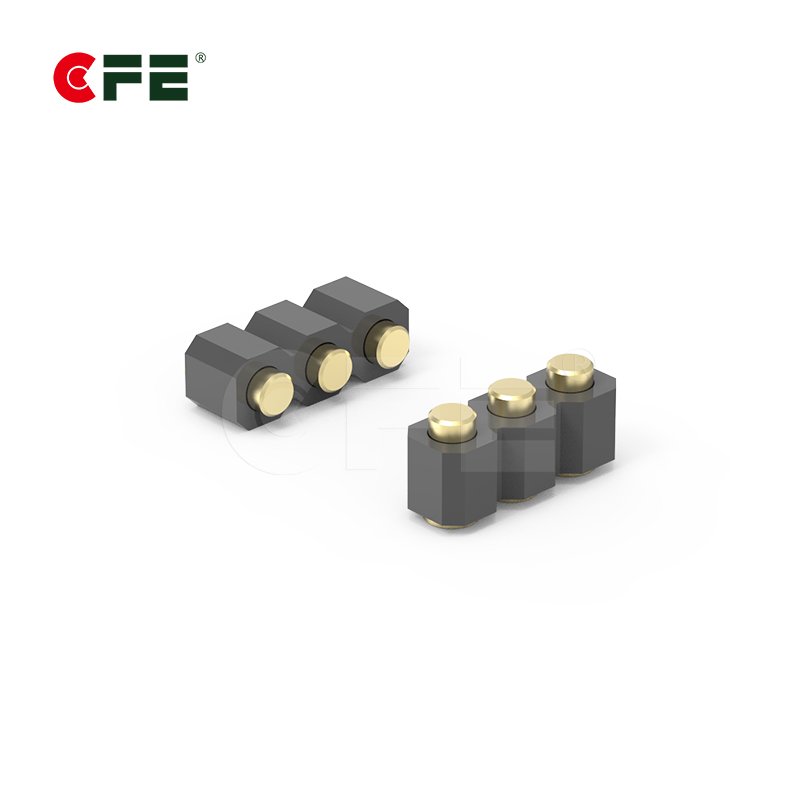
reliability test for pogo pin connector
This in-depth guide explains what spring-loaded test pins are, how they work, their types, materials, applications, and why they are indispensable for accurate PCB testing. Whether you are an engineer, product designer, or procurement professional, this guide will help you make informed decisions.
What Are Spring-Loaded Test Pins?
Spring-loaded test pins are precision-engineered electrical contacts designed to create temporary connections with PCB pads, vias, or component leads during testing. Each pin consists of three main parts:
Plunger (Tip)
Spring
Barrel (Body)
The internal spring allows the plunger to compress, ensuring reliable contact even when there are slight variations in PCB height or alignment. This design minimizes contact resistance and improves testing accuracy.
How Spring-Loaded Test Pins Work
When a test fixture or probe presses the pin against a PCB contact point, the spring compresses, generating a consistent force. This force maintains electrical continuity while preventing excessive pressure that could damage the board.
Because of their self-adjusting nature, spring-loaded test pins compensate for tolerances in PCB thickness, warpage, or misalignment, making them ideal for automated and high-speed testing environments.
Why Accuracy Matters in PCB Testing
Accurate PCB testing ensures:
Early detection of manufacturing defects
Reduced product failure rates
Lower rework and warranty costs
Improved product reliability
Spring-loaded test pins provide stable and repeatable contact, which is crucial for signal integrity, especially in high-frequency and low-voltage applications.
Types of Spring-Loaded Test Pins
There are several types of spring-loaded test pins designed for different testing needs:
1. Standard Test Pins
Used in general PCB testing, offering a balance between durability and conductivity.
2. High-Current Test Pins
Designed to handle higher electrical loads, ideal for power circuits and battery testing.
3. Fine-Pitch Test Pins
Used for densely populated PCBs with small pads and tight spacing.
4. Crown Head Pins
Feature multiple contact points for improved reliability on oxidized or contaminated surfaces.
5. Flat Head Pins
Best suited for delicate surfaces where minimal penetration is required.
Materials Used in Spring-Loaded Test Pins
Material selection directly impacts performance, lifespan, and conductivity.
Barrel: Brass or phosphor bronze for mechanical strength
Plunger: Hardened steel or beryllium copper
Spring: Stainless steel or music wire
Plating: Gold, nickel, or palladium for corrosion resistance and low contact resistance
Gold-plated pins are especially popular due to their excellent conductivity and long service life.
Key Performance Parameters
When selecting spring-loaded test pins, consider the following specifications:
Spring Force: Determines contact pressure
Travel Distance: Maximum compression range
Contact Resistance: Lower values ensure better signal integrity
Current Rating: Important for power testing
Cycle Life: Number of compressions before performance degrades
High-quality pins can withstand hundreds of thousands to millions of cycles.
Applications of Spring-Loaded Test Pins
Spring-loaded test pins are widely used in various industries:
PCB Testing Fixtures
In-Circuit Testing (ICT)
Functional Testing
Burn-in Testing
Battery Contacts
Device Programming Interfaces
Semiconductor Testing
Their versatility makes them a standard component in both prototyping and mass production.
Advantages of Using Spring-Loaded Test Pins
Reliable and repeatable electrical contact
Compensates for PCB tolerances
Easy replacement and maintenance
Long operational life
Supports high-speed automated testing
These benefits directly translate into improved manufacturing efficiency and product quality.
Choosing the Right Spring-Loaded Test Pin
To select the right test pin, evaluate:
PCB pad size and layout
Required current and voltage
Testing frequency
Environmental conditions
Fixture design constraints
Working with experienced connector manufacturers ensures optimal pin selection and customization.
Future Trends in PCB Testing
As electronics evolve, spring-loaded test pins continue to advance with:
Smaller pitch designs
Higher current capabilities
Improved plating technologies
Enhanced durability for harsh environments
These innovations support emerging technologies such as IoT, automotive electronics, and wearable devices.
FAQs
Q1: What is the lifespan of a spring-loaded test pin?
Most high-quality pins last between 100,000 and over 1 million cycles, depending on usage and materials.
Q2: Are spring-loaded test pins reusable?
Yes, they are designed for repeated use and easy replacement in test fixtures.
Q3: Can spring-loaded test pins handle high current?
Special high-current designs can safely handle several amperes.
Q4: Why is gold plating preferred?
Gold offers low contact resistance and excellent corrosion resistance.
Q5: Are spring-loaded test pins suitable for automated testing?
Absolutely. They are widely used in automated ICT and functional testing systems.
Conclusion
Spring-loaded test pins are essential components for accurate and reliable PCB testing. Their ability to provide consistent electrical contact, adapt to tolerances, and withstand repeated use makes them indispensable in modern electronics manufacturing. By choosing the right design, material, and specifications, manufacturers can significantly enhance testing efficiency and product quality. As PCB technology continues to evolve, spring-loaded test pins will remain a cornerstone of precision testing solutions.