Introduction: The Pogo Connector Powering Modern Electronics
In today’s fast-evolving electronics industry—especially across the European electronics market, where precision, durability, and innovation are critical—small components often make the biggest impact. One such underrated yet essential component is the pogo pin connector.
From consumer electronics in Germany to automotive systems in France and medical devices in the UK, pogo pins are quietly enabling reliable connections in compact and high-performance environments.

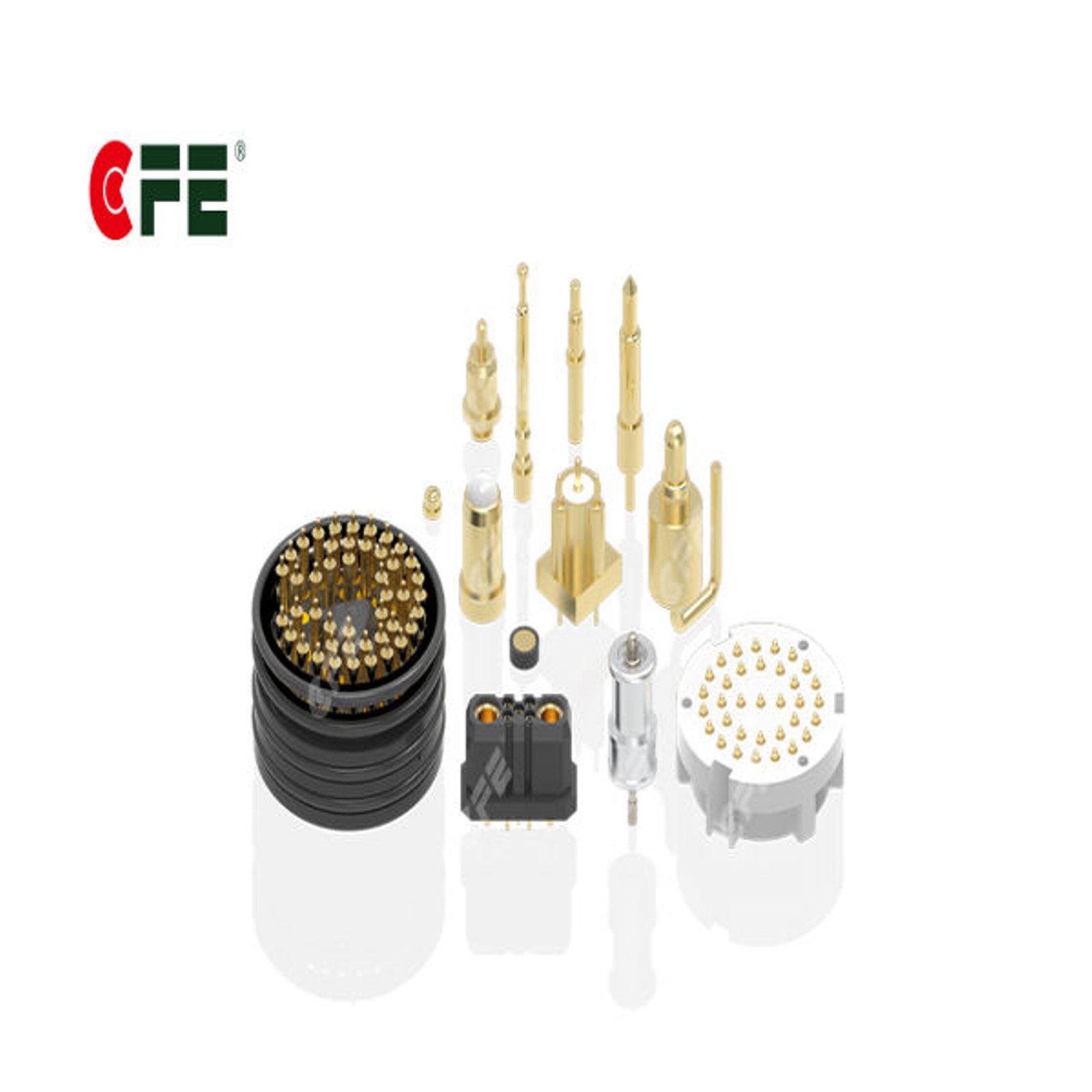
spring-loaded pogo pin
But what exactly are pogo pin connectors, and how do they work?
What Are Pogo Pin Connectors?
Pogo pin connectors are spring-loaded electrical connectors designed to create temporary or semi-permanent connections between electronic components.
They consist of three main parts:
- Plunger (Tip) – Makes contact with the target surface
- Barrel (Housing) – Encases the internal mechanism
- Spring – Provides the force needed for consistent contact
These connectors are widely used in high-end European electronics manufacturing, thanks to their durability and precision.
How Do Pogo Pin Connectors Work?
Simple Working Principle
Pogo pins use a spring-loaded mechanism to ensure continuous electrical contact.
Step-by-Step Process:
- When a pogo pin touches a contact pad, the spring compresses
- The plunger moves inward, maintaining pressure
- This creates a stable electrical connection
- When removed, the spring returns the plunger to its original position
Why This Matters
This mechanism allows pogo pins to:
- Maintain reliable contact even with movement or vibration
- Self-adjust to surface irregularities
- Provide consistent electrical performance
Why Are Pogo Pins So Popular in Europe?
The European electronics industry prioritizes:
- Precision engineering
- Long product lifecycle
- Environmental durability
Pogo pin connectors align perfectly with these demands.
Key Benefits for European Markets:
High Reliability
Perfect for automotive electronics in Germany and industrial systems in Italy
Compact Design
Ideal for wearables and IoT devices in Sweden and the Netherlands
Long Lifespan
Handles thousands of mating cycles
Corrosion Resistance
Gold-plated contacts ensure performance in harsh environments
Easy Integration
Supports modular and scalable product design
Types of Pogo Pin Connectors

1. Standard Pogo Pins
Used in PCB testing and general connections
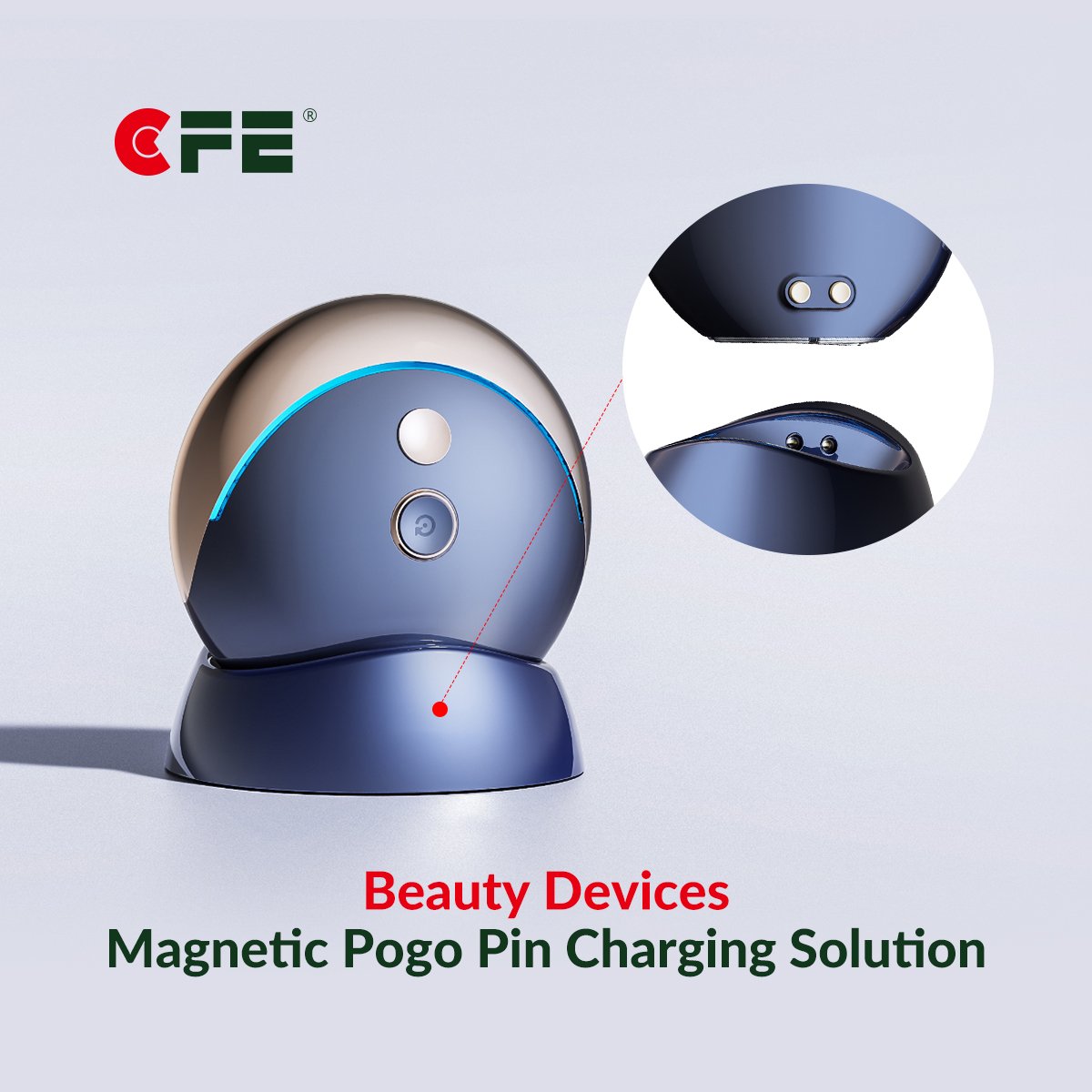
2. Magnetic Pogo Pin Connectors
Common in European consumer electronics, like charging cables
3. High Current Pogo Pins
Designed for power-intensive applications like EV charging systems
4. Waterproof Pogo Pins
Used in medical and outdoor devices across Europe
Applications of Pogo Pin Connectors
Pogo pins are widely used across industries, especially in European manufacturing hubs.
Consumer Electronics
- Smartphones
- Tablets
- Smartwatches
Automotive Industry
- Electric vehicles (EVs)
- Infotainment systems
- Sensor connections
Medical Devices
- Portable diagnostic tools
- Wearable health monitors
Industrial Equipment
- Robotics
- Automation systems
PCB Testing
- Test fixtures in manufacturing
Materials and Design Features

Common Materials:
- Brass
- Stainless steel
- Gold plating for conductivity
Design Considerations:
- Spring force
- Current rating
- Contact resistance
- Environmental protection
European manufacturers often follow RoHS compliance and CE standards, making pogo pins environmentally friendly.
Advantages of Pogo Pin Connectors
Reliable Contact
Even under vibration or shock
Space Saving
Perfect for compact devices
Low Maintenance
Minimal wear and tear
High Durability
Long lifecycle in demanding environments
Limitations to Consider
- Higher cost than traditional connectors
- Requires precise alignment
- Limited current capacity (depending on design)
Pogo Pins vs Traditional Connectors
| Feature | Pogo Pins | Traditional Connectors |
| Durability | High | Moderate |
| Size | Compact | Larger |
| Maintenance | Low | Medium |
| Flexibility | High | Low |
Future Trends in Europe
The European connector market is rapidly evolving with trends such as:
- Growth in electric vehicles (EVs)
- Expansion of IoT devices
- Industry 4.0 automation
- Smart wearable technology
Pogo pin connectors are expected to play a crucial role in all these sectors.
FAQs About Pogo Pin Connectors
What is the lifespan of pogo pin connectors?
Most pogo pins last 10,000 to 1,000,000 cycles, depending on quality.
Are pogo pins suitable for high current?
Yes, but only high-current designs are recommended.
Why are pogo pins gold-plated?
Gold plating improves conductivity and corrosion resistance.
Are pogo pins used in Europe’s EV industry?
Yes, they are widely used in charging systems and battery connections.
Conclusion: Small Component, Big Impact
Pogo pin connectors may look tiny, but their impact on modern electronics—especially in the European market—is massive.
Their ability to provide reliable, durable, and compact connectivity makes them a top choice across industries—from automotive innovation in Germany to medical advancements in the UK.
If you’re designing next-generation electronic products, pogo pin connectors are not just an option—they’re a necessity.