Introduction to Pogo Pins & Magnetic Connectors
In today’s fast-moving world of electronics, reliable connectivity is everything. From smartphones to medical devices, the demand for compact, efficient, and durable connectors has never been higher. That’s where pogo pins & magnetic connectors step in.
These advanced connectors are designed to solve common problems like wear and tear, misalignment, and frequent plugging cycles. Unlike traditional connectors, they offer a seamless connection experience with enhanced durability.
If you’ve ever used wireless earbuds, smartwatches, or charging docks, chances are you’ve already benefited from pogo pins & magnetic connectors—without even realizing it.
Why These Connectors Are Gaining Popularity
There are several reasons behind their growing demand:
- Increased use of compact devices
- Need for reliable and repeated connections
- Rise of wearable technology
- Demand for waterproof and dustproof solutions
As industries evolve, these connectors are becoming essential components in modern electronics.
What Are Pogo Pins?
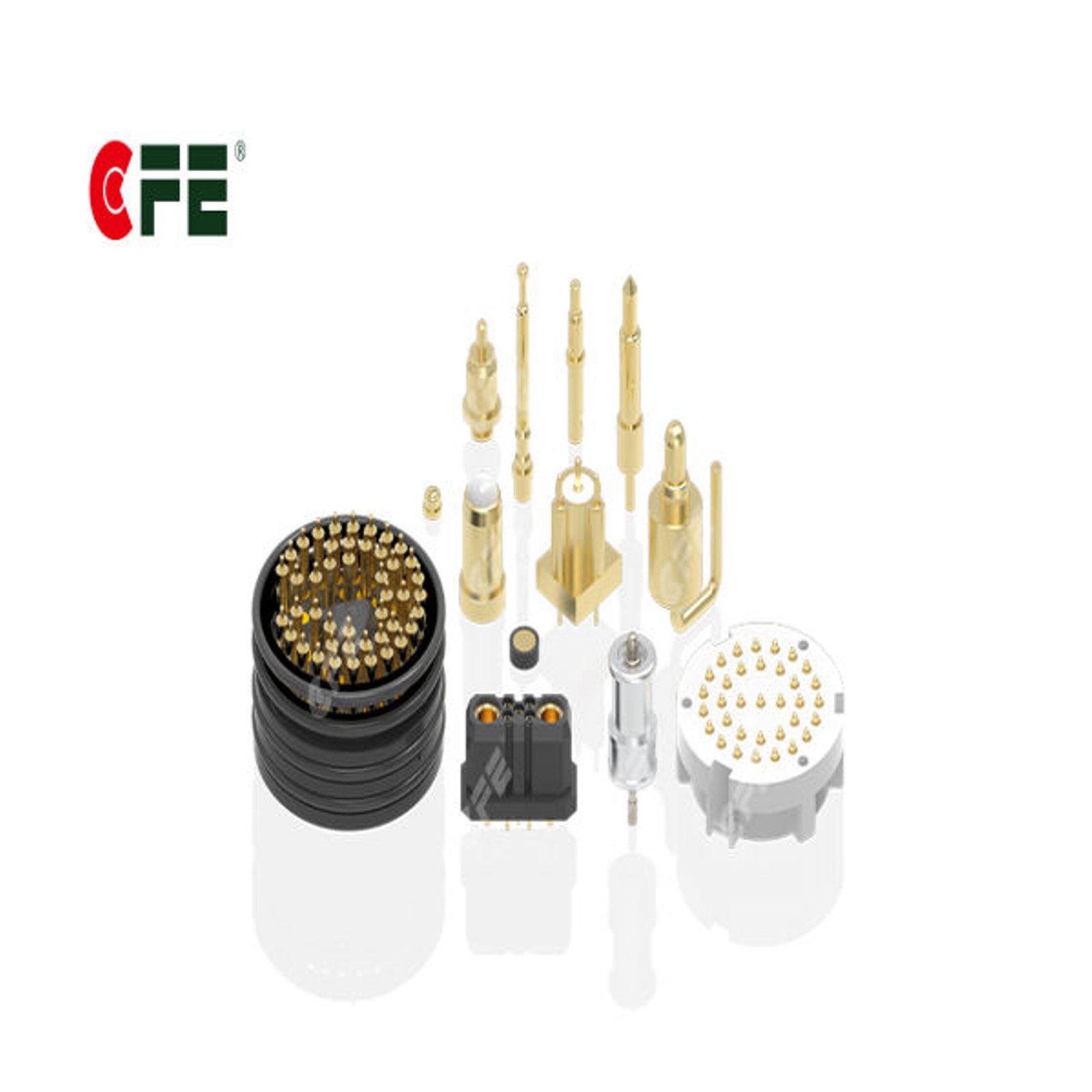
Pogo pins, also known as spring-loaded connectors, are small cylindrical connectors that use a spring mechanism to maintain contact between two points.
Structure and Components
A pogo pin typically consists of:
- Plunger (tip) – Makes electrical contact
- Barrel (housing) – Holds the components together
- Spring – Provides the necessary force
- Tail – Connects to PCB
Each component plays a crucial role in ensuring a stable and consistent electrical connection.
How Pogo Pins Work
Pogo pins operate using a simple yet effective mechanism. When pressure is applied, the spring compresses, allowing the plunger to maintain contact with the target surface.
Once the pressure is released, the spring returns to its original position, ensuring long-term usability.
This mechanism makes pogo pins ideal for applications requiring repeated connections, such as:
- Charging docks
- Testing equipment
- Modular devices
What Are Magnetic Connectors?
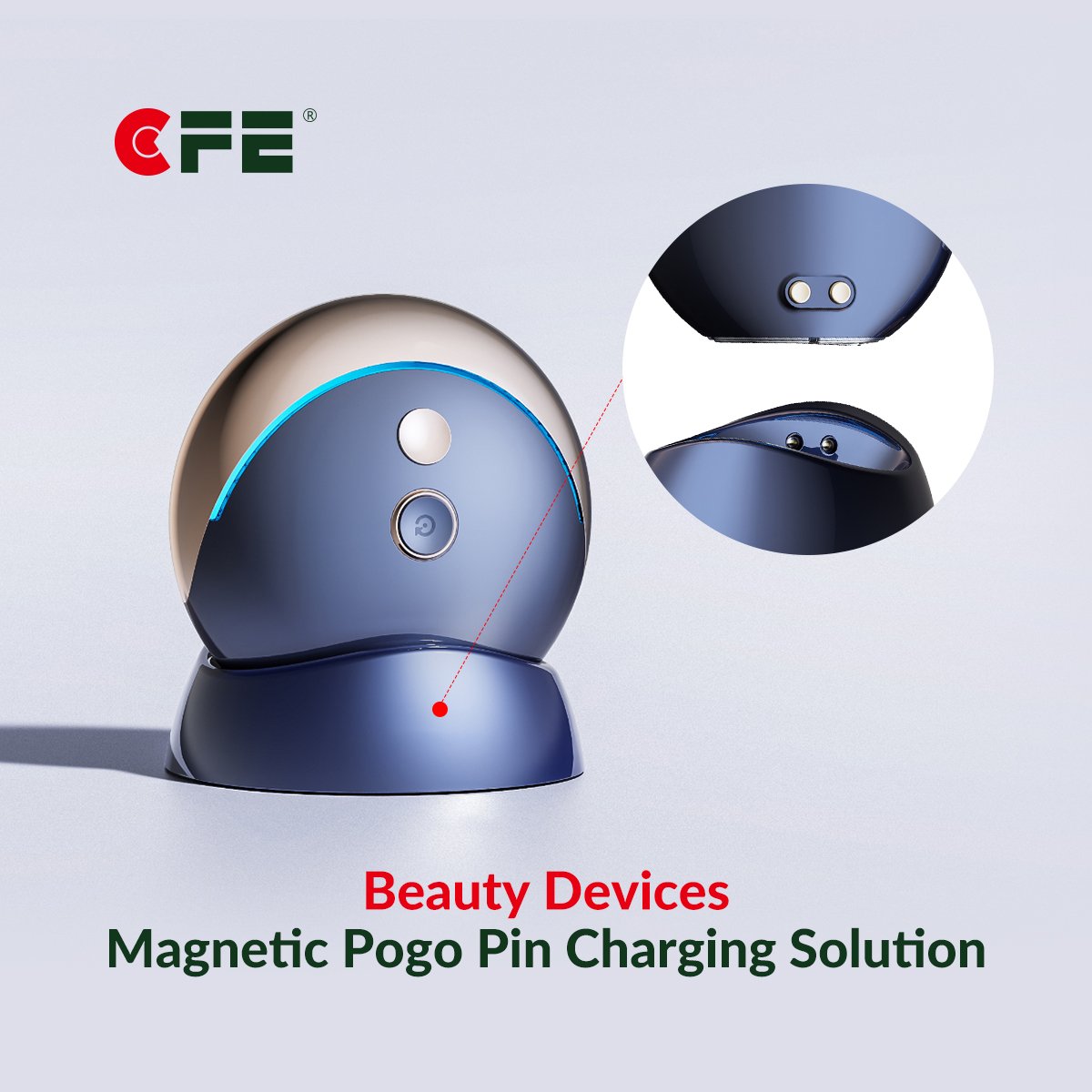
Magnetic connectors use magnets to align and connect electrical contacts automatically. They combine convenience with precision.
Key Design Elements
Magnetic connectors include:
- Magnets for alignment
- Contact pins (often pogo pins)
- Insulated housing
- Conductive terminals
Working Principle
When two connector ends come close, magnets pull them into perfect alignment. This ensures:
- Accurate connection
- Reduced wear
- Easy detachment
This design is widely used in charging cables and smart devices.
Types of Pogo Pins

Understanding different types helps you choose the right one.
Spring-Loaded Pins
These are the most common and widely used. They offer:
- High durability
- Consistent performance
- Easy integration
SMT Pogo Pins
Surface Mount Technology (SMT) pogo pins are designed for automated assembly.
Benefits include:
- Faster production
- Lower costs
- Compact design
Custom Pogo Pins
Custom designs are tailored for specific applications.
They offer:
- Unique shapes
- Specialized materials
- Enhanced performance
Types of Magnetic Connectors
Magnetic connectors come in various forms depending on application needs.
Circular Magnetic Connectors
- Compact and aesthetic
- Common in wearables
Rectangular Magnetic Connectors
- Higher pin density
- Suitable for data transfer
Waterproof Magnetic Connectors
- Designed for harsh environments
- Ideal for outdoor devices
Key Benefits of Pogo Pins
Pogo pins provide several advantages over traditional connectors.
Durability and Reliability
They can handle thousands of connection cycles without degradation.
Compact Design
Their small size makes them perfect for modern electronics.
Other benefits include:
- High conductivity
- Low maintenance
- Versatility
Advantages of Magnetic Connectors
Magnetic connectors offer unmatched convenience.
Easy Alignment
Magnets automatically align the connector, reducing user effort.
User Convenience
- Plug-and-play experience
- Reduced damage risk
- Safe disconnection
They’re especially useful for devices used frequently.
Applications Across Industries
Pogo pins & magnetic connectors are used across various sectors.
Consumer Electronics
- Smartphones
- Wearables
- Charging docks
Medical Devices
- Diagnostic equipment
- Portable monitors
Automotive
- Electric vehicles
- Sensor systems
Their reliability makes them suitable for critical applications.
Pogo Pins vs Magnetic Connectors
Let’s compare both.
Key Differences
| Feature | Pogo Pins | Magnetic Connectors |
|---|---|---|
| Alignment | Manual | Automatic |
| Durability | High | Very High |
| Ease of Use | Moderate | Excellent |
When to Choose Each
- Use pogo pins for internal connections
- Use magnetic connectors for user-facing interfaces
Materials Used in Manufacturing
Material choice impacts performance.
Conductive Materials
- Brass
- Copper alloys
Coating and Plating
- Gold plating for conductivity
- Nickel for durability
Design Considerations
Before choosing a connector, consider:
Electrical Requirements
- Current rating
- Voltage capacity
Mechanical Durability
- Cycle life
- Environmental resistance
Installation & Maintenance
Proper handling ensures longevity.
Best Practices
- Avoid excessive force
- Keep contacts clean
- Ensure proper alignment
Buying Guide
Choosing the right connector is crucial.
What to Look For
- Quality materials
- Manufacturer reputation
- Compatibility
For high-quality options, explore:
- https://cfeconn.com/pogo-pin-connectors/
- https://cfeconn.com/magnetic-connectors/
- https://cfeconn.com/spring-loaded-pins/
- https://cfeconn.com/custom-connectors/
- https://cfeconn.com/precision-connectors/
External reference:
Future Trends
The evolution of pogo pins & magnetic connectors is accelerating as industries demand smarter, smaller, and more efficient connectivity solutions. Let’s explore the most important future trends shaping this space in detail.
Ultra-Miniaturization & Micro Precision
As devices continue to shrink—think wearables, IoT sensors, and medical implants—connectors must follow suit.
What’s changing?
- Pogo pins are becoming ultra-small (sub-millimeter sizes)
- Higher pin density in smaller spaces
- Precision manufacturing using CNC and laser technologies
Why it matters:
Smaller connectors enable:
- Slimmer devices
- Lightweight electronics
- Better design flexibility
👉 Expect connectors to become nearly invisible in future product designs.
High-Speed Data + Power Integration
Traditionally, connectors handled either power or data. That’s changing fast.
Emerging capabilities:
- Simultaneous power + high-speed data transfer
- Support for protocols like:
- USB-C alternatives
- High-frequency signals
- Reduced signal loss with improved shielding
Real-world impact:
- Faster charging + data syncing in one connector
- Improved performance in smart devices and industrial systems
Waterproof & Harsh Environment Solutions

Environmental resistance is becoming a major focus.
Innovations include:
- IP67/IP68-rated magnetic connectors
- Corrosion-resistant coatings
- Sealed pogo pin housings
Key industries benefiting:
- Marine electronics
- Outdoor wearables
- Military-grade equipment
- Medical sterilization environments
👉 Future connectors will thrive in extreme conditions without performance loss.
Smart Connectors with Built-in Intelligence
This is where things get exciting.
What are “smart connectors”?
Connectors embedded with:
- Sensors
- Microchips
- Authentication systems
Capabilities:
- Detect connection status
- Monitor temperature and current
- Enable secure data transfer (anti-counterfeit tech)
Example use cases:
- Smart charging systems
- Medical devices with safety monitoring
- Secure industrial equipment
Wireless + Magnetic Hybrid Systems
Wireless tech isn’t replacing connectors—it’s merging with them.
Hybrid innovation:
- Magnetic connectors combined with wireless charging (Qi-like systems)
- Contact-based + contactless power transfer
Benefits:
- Flexible charging options
- Reduced wear and tear
- Enhanced user convenience
👉 This hybrid approach will dominate premium consumer electronics.
Automation & Robotics Integration

With Industry 4.0, connectors must support automation.
Future-ready features:
- Self-aligning magnetic connectors for robotic arms
- Fast docking systems for automated machines
- High-cycle durability (100,000+ cycles)
Industries impacted:
- Manufacturing
- Robotics
- Logistics automation
Eco-Friendly & Sustainable Materials
Sustainability is no longer optional.
Trends:
- Lead-free and RoHS-compliant materials
- Recyclable connector components
- Energy-efficient manufacturing processes
Why it matters:
- Meets global environmental regulations
- Appeals to eco-conscious consumers
- Reduces long-term environmental impact
Customization & Modular Design
One-size-fits-all is fading.
What’s emerging:
- Fully customizable pogo pin configurations
- Modular magnetic connector systems
- Plug-and-play hardware ecosystems
Benefits:
- Faster product development
- Easier upgrades and repairs
- Reduced manufacturing costs
Enhanced Safety & Protection Features
Safety is becoming a top priority.
Innovations:
- Short-circuit protection
- Reverse polarity prevention
- Magnetic breakaway safety (like laptop chargers)
Impact:
- Prevents device damage
- Improves user safety
- Reduces maintenance costs
IoT & Wearable Expansion
The explosion of IoT devices is driving massive demand.
Requirements:
- Compact connectors
- Low power consumption
- Reliable long-term performance
Applications:
- Smart homes
- Fitness trackers
- Healthcare monitoring devices
👉 Pogo pins & magnetic connectors will be the backbone of IoT hardware.
Advanced Materials & Coatings
Material science is pushing boundaries.
Developments:
- Nano-coatings for better conductivity
- Self-healing materials (experimental)
- Improved gold plating techniques
Result:
- Longer lifespan
- Better performance
- Lower maintenance
Higher Cycle Life & Durability
Durability is reaching new levels.
What’s improving:
- From 10,000 → 100,000+ mating cycles
- Better spring mechanisms
- Wear-resistant surfaces
Why it matters:
Perfect for:
- Charging docks
- Industrial equipment
- High-use consumer devices
Final Thoughts on Future Trends
The future of pogo pins & magnetic connectors is not just about connection—it’s about intelligence, durability, and seamless user experience.
We’re moving toward a world where connectors will:
- Think (smart features)
- Adapt (modular/custom designs)
- Survive (extreme durability)
- Disappear (miniaturization)
If you’re in electronics, manufacturing, or product design, staying ahead of these trends isn’t optional—it’s essential.
The future looks promising.
- Miniaturization
- Faster data transfer
- Wireless hybrid connectors
Innovation continues to push boundaries.
FAQs
1. What are pogo pins used for?
Pogo pins are used for temporary electrical connections in devices like charging docks and testing equipment.
2. Are magnetic connectors better than traditional connectors?
Yes, they offer better alignment, durability, and user convenience.
3. How long do pogo pins last?
They can last over 10,000 cycles depending on quality.
4. Can magnetic connectors transfer data?
Yes, many modern designs support both power and data transfer.
5. Are these connectors waterproof?
Some magnetic connectors are specifically designed to be waterproof.
6. How do I choose the right connector?
Consider application, durability, electrical needs, and environment.
Conclusion
Pogo pins & magnetic connectors are transforming how devices connect and communicate. Their durability, efficiency, and ease of use make them indispensable in modern electronics.
As technology continues to evolve, these connectors will play an even bigger role in shaping the future of connectivity. Whether you’re designing a new product or upgrading an existing one, understanding these components gives you a competitive edge.
Post-Article Message:
If you found this guide helpful, consider exploring more technical insights and connector solutions to stay ahead in the evolving electronics industry.