Introduction
In today’s fast-evolving electronics industry, reliable and compact connections are essential for device performance. One of the most efficient solutions for temporary and durable electrical connections is the pogo pin connector. Widely used in smartphones, wearable devices, medical equipment, and industrial applications, pogo pins provide a secure connection without the need for traditional plugs and sockets.
This comprehensive CFE guide will walk you through everything you need to know about pogo pin connectors, including their structure, working principle, advantages, types, and real-world applications.
What is a Pogo Pin Connector?
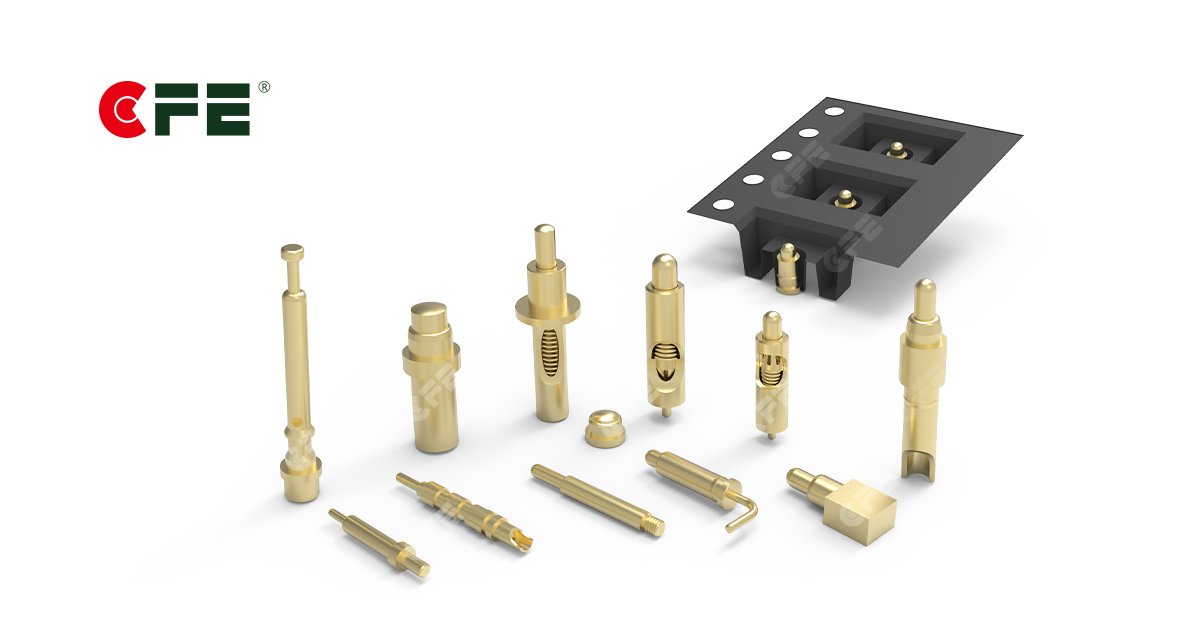
A pogo pin connector is a spring-loaded electrical connector that uses pins with an internal spring mechanism to maintain a consistent electrical connection between two contact points.
Unlike traditional connectors, pogo pins are designed for:
- Repeated use
- Compact spaces
- High reliability
- Temporary or semi-permanent connections
They are commonly used in docking systems, charging ports, and PCB connections.
Key Components of a Pogo Pin
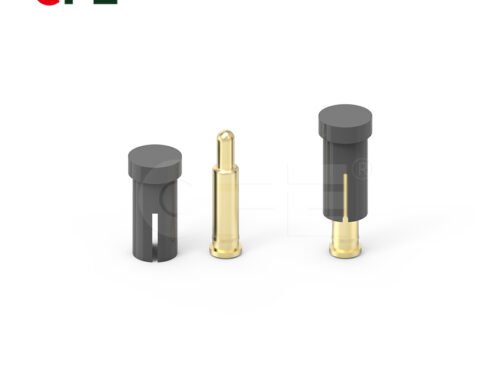
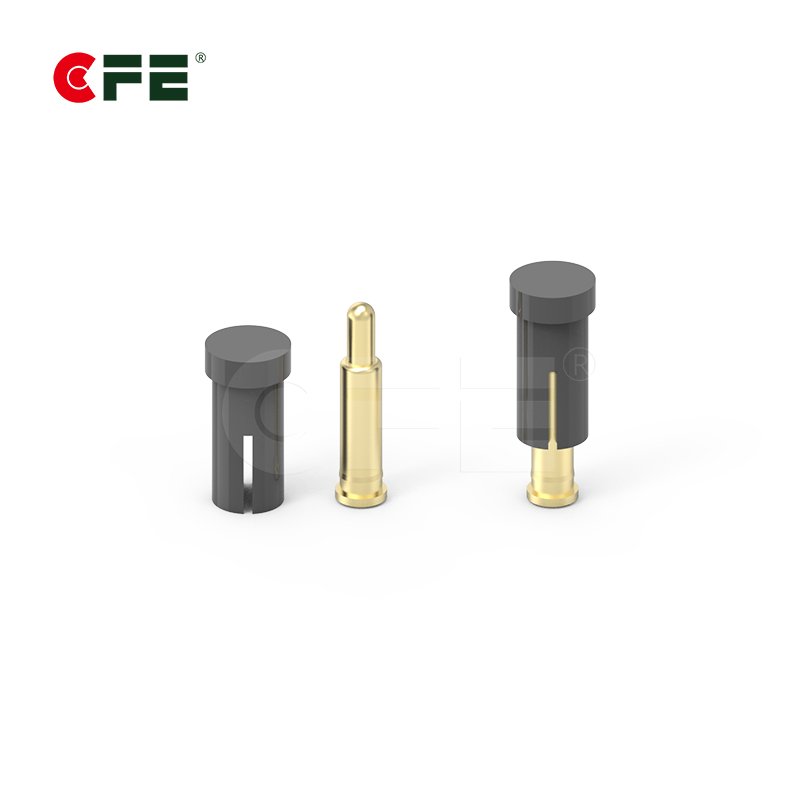
A pogo pin typically consists of three main parts:
1. Plunger (Head)
- The top part that makes contact with the target surface
- Designed in various shapes (flat, rounded, concave)
2. Barrel (Body)
- The outer casing that holds the internal components
- Provides structural support and conductivity
3. Spring
- Located inside the barrel
- Ensures consistent pressure and electrical contact
How Does a Pogo Pin Connector Work?
The working principle of a pogo pin connector is simple yet highly effective.
Step-by-Step Process:
- When two devices are aligned, the pogo pin contacts a conductive pad.
- The plunger compresses due to the applied force.
- The internal spring generates a consistent force.
- This force ensures stable electrical conductivity.
- When disconnected, the spring returns the pin to its original position.
This mechanism enables reliable connections even in environments with vibration or motion.
Types of Pogo Pin Connectors
Pogo pins come in different configurations depending on their application:
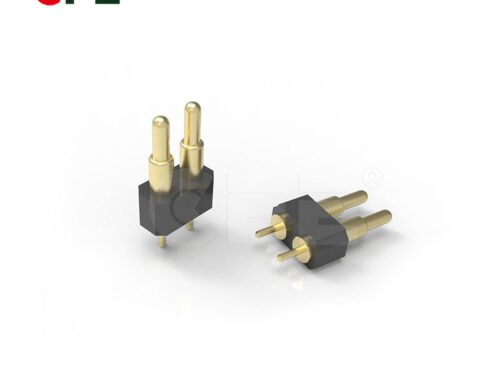
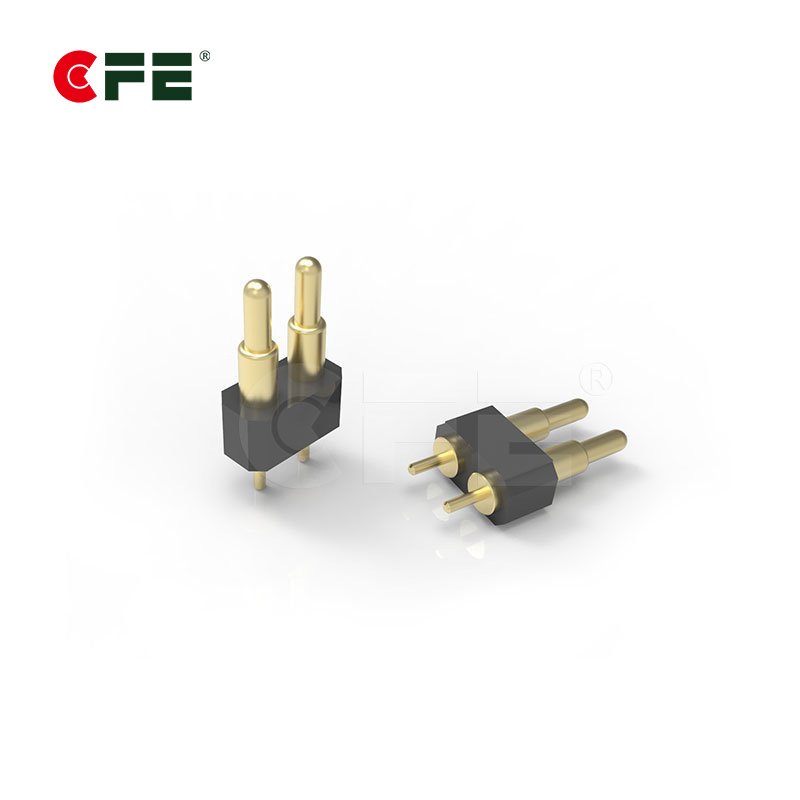
1. Standard Pogo Pins
- Single-pin design
- Used in basic electrical connections
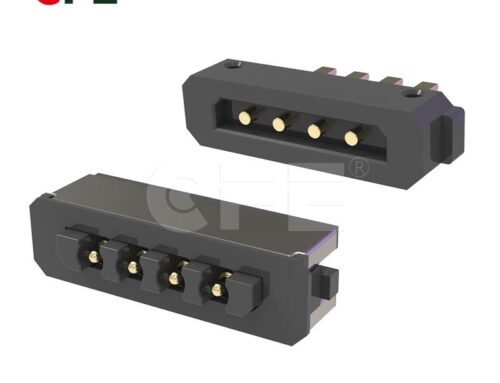
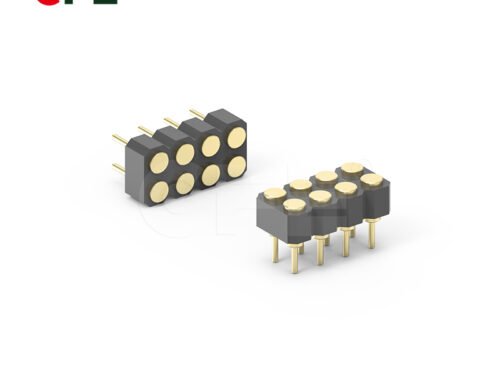
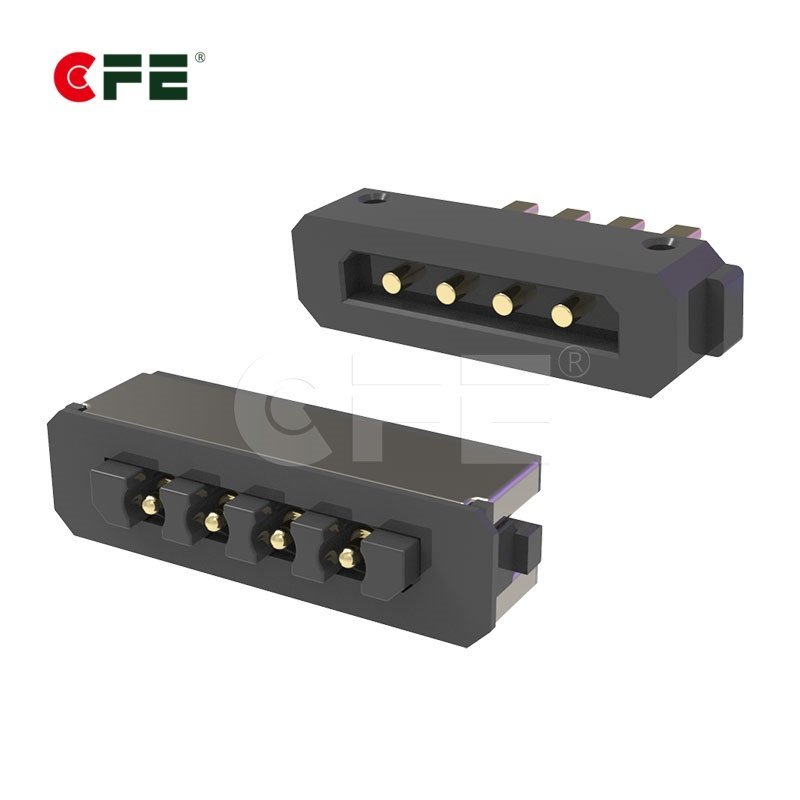
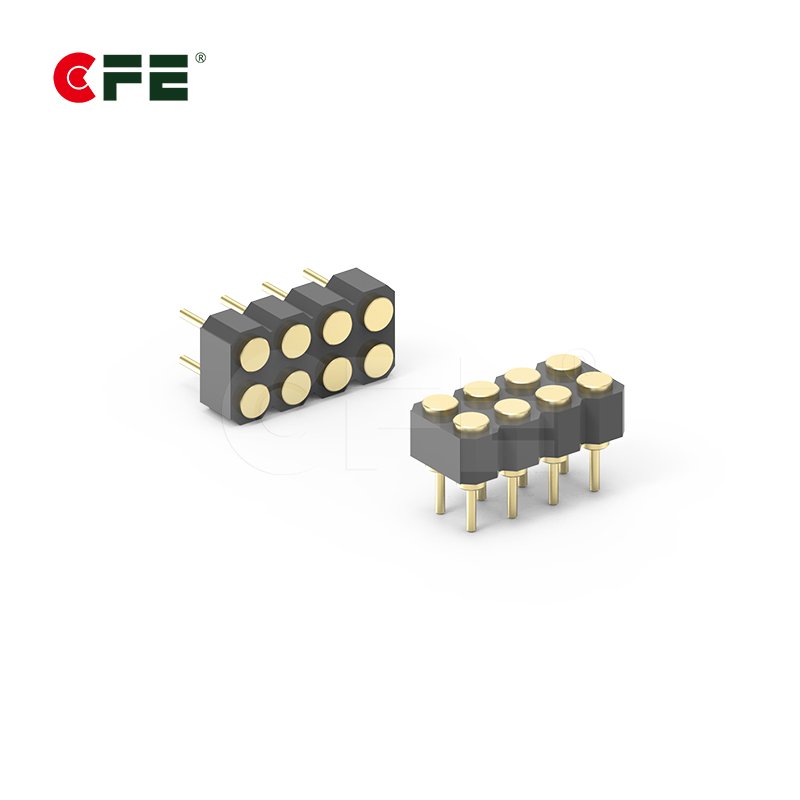
2. Multi-Pin Connectors
- Multiple pogo pins arranged in a connector block
- Ideal for complex devices
3. Magnetic Pogo Pin Connectors
- Include magnets for alignment
- Common in charging cables and wearables
4. Waterproof Pogo Pins
- Designed with sealing features
- Used in outdoor and medical devices
Advantages of Pogo Pin Connectors
Pogo pin connectors offer several benefits over traditional connectors:
1. High Durability
- Can withstand thousands of connection cycles
2. Compact Design
- Ideal for small electronic devices
3. Reliable Connection
- Maintains consistent contact pressure
4. Easy Integration
- Simple to install in PCBs and devices
5. Corrosion Resistance
- Often gold-plated for better conductivity
Applications of Pogo Pin Connectors
Pogo pin connectors are widely used across multiple industries:
Consumer Electronics
- Smartphones
- Smartwatches
- Tablets
Medical Devices
- Diagnostic equipment
- Wearable health monitors
Automotive Industry
- GPS systems
- Dashboard electronics
Industrial Equipment
- Testing fixtures
- Automation systems
Charging Systems
- Magnetic charging cables
- Docking stations
Design Considerations for Pogo Pins
When selecting a pogo pin connector, consider the following:
- Current Rating
- Contact Resistance
- Spring Force
- Material & Plating
- Environmental Conditions
Proper design ensures optimal performance and longevity.
Pogo Pin vs Traditional Connectors
| Feature | Pogo Pin Connector | Traditional Connector |
|---|---|---|
| Durability | High | Moderate |
| Size | Compact | Larger |
| Maintenance | Low | Higher |
| Connection Type | Spring-loaded | Fixed |
| Use Case | Repetitive connections | Permanent connections |
Future Trends in Pogo Pin Technology
The demand for smaller and smarter devices is driving innovation in pogo pin connectors. Emerging trends include:
- Higher current capacity
- Improved waterproof designs
- Enhanced magnetic alignment
- Integration with IoT devices
FAQs
1. What is a pogo pin used for?
Pogo pins are used for creating temporary yet reliable electrical connections in electronic devices.
2. Are pogo pin connectors durable?
Yes, they are designed to handle thousands of connection cycles.
3. Why are pogo pins gold-plated?
Gold plating improves conductivity and prevents corrosion.
4. Can pogo pins handle high current?
Yes, depending on the design, they can support various current levels.
5. Are pogo pins waterproof?
Special waterproof pogo pins are available for harsh environments.
Conclusion
Pogo pin connectors are an essential component in modern electronics, offering a reliable, compact, and durable solution for electrical connections. Their spring-loaded mechanism ensures consistent performance, making them ideal for a wide range of applications—from consumer gadgets to industrial systems.
As technology continues to evolve, pogo pins will play an even more significant role in enabling efficient and innovative device connectivity. Whether you’re designing a new product or upgrading an existing system, pogo pin connectors are a smart and future-proof choice.