Pogo pin contact pad finishes decide how long a spring-loaded connection stays quiet, low-resistance and repeatable. For most B2B buyers the real choice comes down to two options: ENIG (electroless nickel immersion gold) or hard gold (electroplated, cobalt-hardened gold). Both look gold. They behave very differently under a sliding pogo tip.

The Short Answer: Which Finish Should You Pick?
Choose hard gold when the pad is mated repeatedly or must survive a wiping, sliding contact. Choose ENIG when the pad is mated rarely, needs to be soldered, or when cost and fab simplicity matter more than cycle life. That one sentence settles most decisions.
Here is the quick comparison before we go deeper.
| Factor | ENIG | Hard Gold |
|---|---|---|
| Gold layer | Very thin immersion layer | Much thicker electroplated layer |
| Wear resistance | Limited | High |
| Solderability | Good | Poor when thick |
| Cost | Moderate | Higher |
| Layout limits | Few | Often needs a plating bus or selective plating |
| Best fit | Low-cycle, solder pads, flat boards | High-cycle charging and data contacts |
What ENIG and Hard Gold Actually Are
ENIG is a chemical process. The board is coated with an electroless nickel layer, then dipped so a thin film of gold deposits by immersion. Under IPC-4552, the nickel is typically a few microns thick (roughly 3–6 µm, or about 120–240 µin), while the gold on top is extremely thin, often just a few microinches. The gold’s job is to protect the nickel from oxidizing before assembly. It was never meant to be a wear surface.
Hard gold is an electroplated finish. Current drives gold onto a nickel underlayer, and a small amount of hardening agent such as cobalt makes the gold tougher. The result is a layer that can be many times thicker than ENIG’s gold and far more resistant to abrasion. It is the finish you see on card-edge fingers, which are designed to be inserted thousands of times.
Think of it this way. ENIG is like a coat of paint on a wall: great for looks and protection while nobody touches it. Hard gold is like a hardwood floor finish: built for foot traffic.
Both finishes sit on a nickel barrier, which stops copper from migrating into the gold. That nickel matters just as much as the gold on top, because a pogo tip pressing down is really loading the whole stack. For a broader look at plating on connector pins themselves, this overview from Altium on durability of pin plating materials for PCB connectors is a useful reference.
Why Pogo Pins Are Hard on a Pad
A pogo pin is a spring-loaded contact: a plunger rides inside a barrel, and a spring pushes the plunger tip onto the mating surface. That design is great for tolerance and for quick, repeatable connections. It also means the pad sees a small, concentrated contact point under spring force, often with a slight sideways wipe each time the plunger compresses.
Contact force is small in absolute terms, but the contact area is tiny, so the local pressure is high. Every cycle, the tip burnishes the pad. On a thin immersion gold layer, repeated wiping can eventually push through to the nickel beneath. Once bare nickel is exposed, it oxidizes, and contact resistance starts to creep up. That is the failure pattern buyers describe as “it works, then it’s flaky, then it’s dead.”
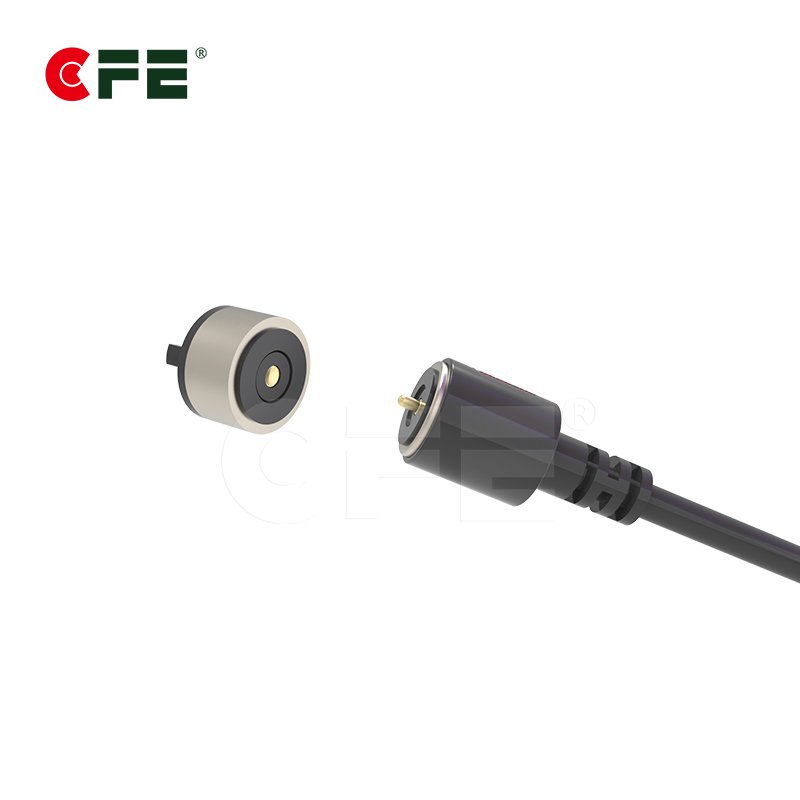
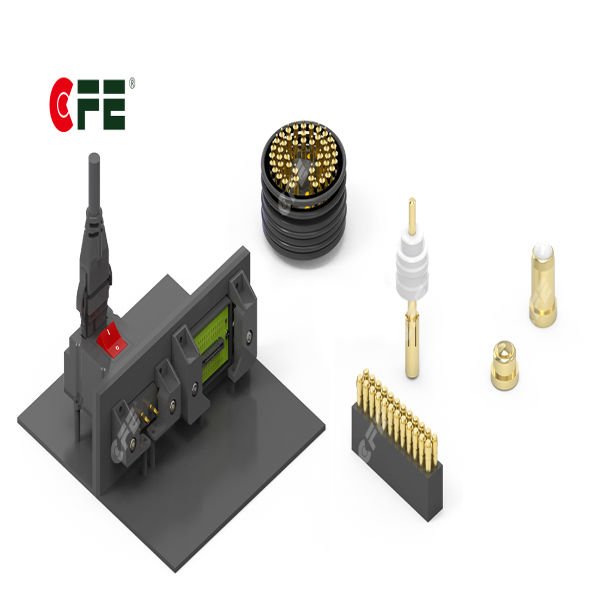
Tip shape plays a part too. A sharp or crowned tip concentrates force and wears the pad faster. A rounder tip spreads the load. If you are sourcing pins, it is worth reviewing the plunger style alongside the pad finish rather than treating them as separate decisions. CFE’s 2A SMD gold-plated pogo pin and its DIP spring-loaded contact pin are two examples of standard pins whose published life tests you can compare against your own mating-cycle target.

Wear Life and Mating Cycles
This is where the two finishes separate most clearly. Mating cycle life is the number of times the pin can connect and disconnect before contact resistance exceeds your limit.
ENIG pads are fine for low-cycle applications: a module that is docked a handful of times during service, a test fixture used occasionally, or a board that is connected once during assembly. They struggle in products such as chargers, docking stations and wearables, where users connect daily for years.
Hard gold is the usual answer for high-cycle contacts. A common starting point for repeated mating is on the order of 30–50 µin (roughly 0.75–1.25 µm) of hard gold over nickel, with thicker specifications for the harshest duty. Treat those as starting numbers, not guarantees (our article on pogo pin gold plating in microinches vs. microns explains how to read thickness figures). Actual life depends on spring force, tip geometry, wipe distance, contamination and the plating on the pin side.
On the pin side, CFE’s published specs list 20 µin gold over nickel on the sleeve and plunger for its power spring-loaded pins, with life tests ranging from tens of thousands of cycles up to one million depending on the series. Always confirm the figure for your exact part number, then match the pad to it. A hard gold pin on a soft ENIG pad wastes the pin’s durability.
- Fewer than a few hundred cycles: ENIG is usually acceptable.
- Thousands of cycles: hard gold is the safer choice.
- Daily-use consumer or industrial products: specify hard gold and validate with a cycle test.
Contact Resistance, Corrosion and Moisture
Gold is a noble metal, so it does not form an insulating oxide the way nickel or copper does. That is why it dominates low-voltage contacts, where a thin oxide film can block current completely. Both ENIG and hard gold benefit from this, as long as the gold stays intact.
The difference shows up over time. ENIG’s thin gold layer can be breached by wear or by porosity, which exposes nickel. In humid, salty or condensing environments, that nickel can corrode and create a high-resistance film right at the contact point. Hard gold’s thicker layer is less porous and wears through far later, so it holds low, stable resistance longer.
There is also a manufacturing risk particular to ENIG called “black pad,” a corroded nickel layer under the gold that can hurt solder joints. It is mainly a soldering issue rather than a wear issue, and good process control keeps it rare, but it is a reason to work with a fab that monitors its ENIG line.
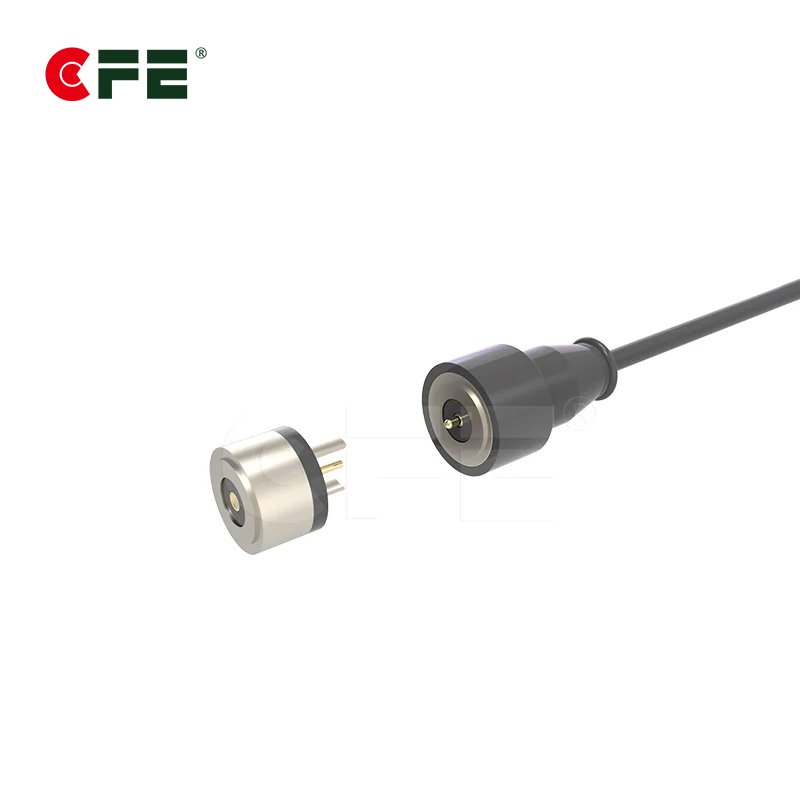
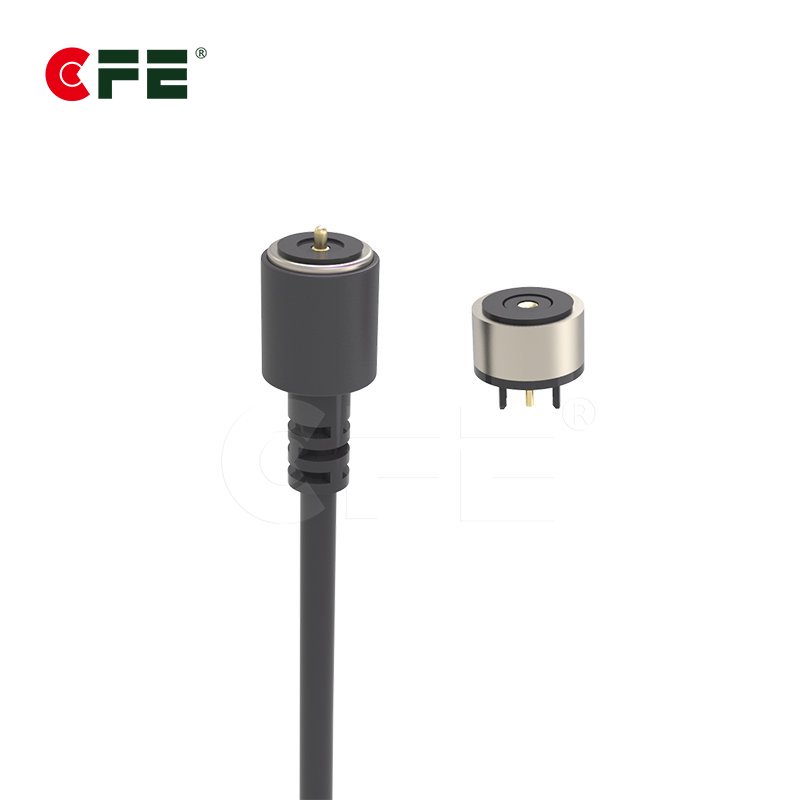
Moisture matters even more in sealed or outdoor designs, and our guide to salt spray testing for pogo pins shows how corrosion resistance is verified. If your product relies on waterproof magnetic or pogo connections, the contact surface will still see damp air, cleaning agents and temperature swings. Our guide to waterproof pogo pin and magnetic connectors for 5A–30A designs explains how sealing, current rating and contact design work together. Pad finish is the other half of that reliability story.
Cost, Lead Time and Manufacturability
Hard gold costs more, and not only because gold is expensive. The process is more demanding. Electroplating usually needs every pad to be electrically connected to a plating bus during plating, which is why hard gold is so common on edge fingers (the bus runs out to the board edge and is trimmed off afterwards) and harder on interior pads.
Some fabs can plate interior pads selectively, using masking so only the contact areas receive nickel and hard gold. This works, but it adds steps, so expect a higher price, a longer lead time and a smaller pool of capable suppliers. Ask early. A layout that quietly assumes hard gold on interior pads can force a redesign late in the project.
ENIG is the easy path. Nearly every fab offers it, it is flat for fine-pitch components, and it solders well. A flat surface also helps SMT pogo pins sit squarely during reflow.
| Question for your fab | Why it matters |
|---|---|
| Can you plate hard gold on interior pads? | Many fabs only offer it on edge fingers. |
| What gold and nickel thickness can you hold? | Thickness drives wear life and cost. |
| Is a plating bus or tie bar required? | It affects routing and board shape. |
| Do you provide thickness reports? | X-ray fluorescence data confirms what you paid for. |
How to Choose: A Simple Decision Guide
You do not need a perfect model. A few questions get you most of the way there.
- How many times will the pad be mated? If the answer is thousands or more, lean hard gold.
- Does the same pad need to be soldered? If yes, avoid thick gold on that pad. Consider ENIG for solder pads and hard gold only on the contact pads.
- Is the environment humid, salty or dirty? A thicker, less porous finish helps.
- Is the board layout fixed? If interior pads cannot reach a plating bus, confirm selective plating before committing.
- What is the cost target? Compare the finish premium against the cost of field failures and returns.
If cost pressure is high but life matters, a middle path exists: widen the contact pad so the pin lands on fresh surface, or reduce wipe by using a flatter tip. Those changes cannot replace a hard finish, but they can extend ENIG’s life in moderate-duty designs. Validate with a real cycle test before you commit to volume.

What to Put on Your Drawing and Purchase Order
Vague finish callouts are a common source of disputes. Instead of writing “gold plated,” spell it out. A solid callout names the finish, the thickness range for each layer, and the areas it applies to, for example hard gold over nickel on contact pads only, with ENIG elsewhere. Reference the standard you want the fab to follow and ask for a thickness report with the first shipment.
Specify the pin and the pad together. Share the pin’s plating, tip style and spring force with your PCB supplier, and share the pad finish with your connector supplier. If you need a custom pin, our team can match plating options such as gold, silver or palladium-nickel to your pad. See the 2.54 mm pitch SMT spring-loaded connector page for one of the standard formats, or contact CFE with your current, cycle and environment requirements.
Finally, test what you buy. Run a cycle test at your real duty cycle, measure contact resistance at intervals, and inspect the pad under magnification. Wear patterns tell you quickly whether the finish is holding.
Conclusion
ENIG and hard gold both have a place. ENIG is flat, solderable, widely available and affordable, which makes it a good fit for low-cycle contacts and solder pads. Hard gold costs more and can limit your layout, but it is the finish built for repeated pogo contact. Decide using mating cycles, environment, solderability and layout, then confirm with a cycle test. If you are sizing contacts for sealed or higher-current products, start with our waterproof pogo pin and magnetic connector guide.
Frequently Asked Questions
Is ENIG good enough for pogo pin contact pads?
Yes, for low-cycle use. ENIG works when a pad is mated rarely and the environment is mild. For daily or high-cycle connections, its very thin gold layer can wear through to the nickel, so hard gold is the safer option.
What is the difference between ENIG and hard gold?
ENIG is a chemically deposited nickel layer with a very thin immersion gold coating, mainly for flatness and solderability. Hard gold is an electroplated, hardened gold layer over nickel, much thicker and built for abrasion resistance.
How thick should hard gold be on a pogo pin pad?
A common starting range for repeated mating is roughly 30–50 µin (0.75–1.25 µm) over nickel, with more for severe duty. Confirm the figure with testing, since spring force, tip shape and environment all change the result.
Can hard gold be used on interior PCB pads?
Sometimes. Standard hard gold plating usually needs a connection to a plating bus, so it is common on edge fingers. Some fabs offer selective plating for interior pads, at higher cost and longer lead time, so ask before finalizing the layout.
Can I use ENIG on solder pads and hard gold on contact pads?
Yes. Many designs use a selective approach: ENIG or another solderable finish where parts are soldered, and hard gold only where the pogo pin touches. Confirm that your fab supports this combination.