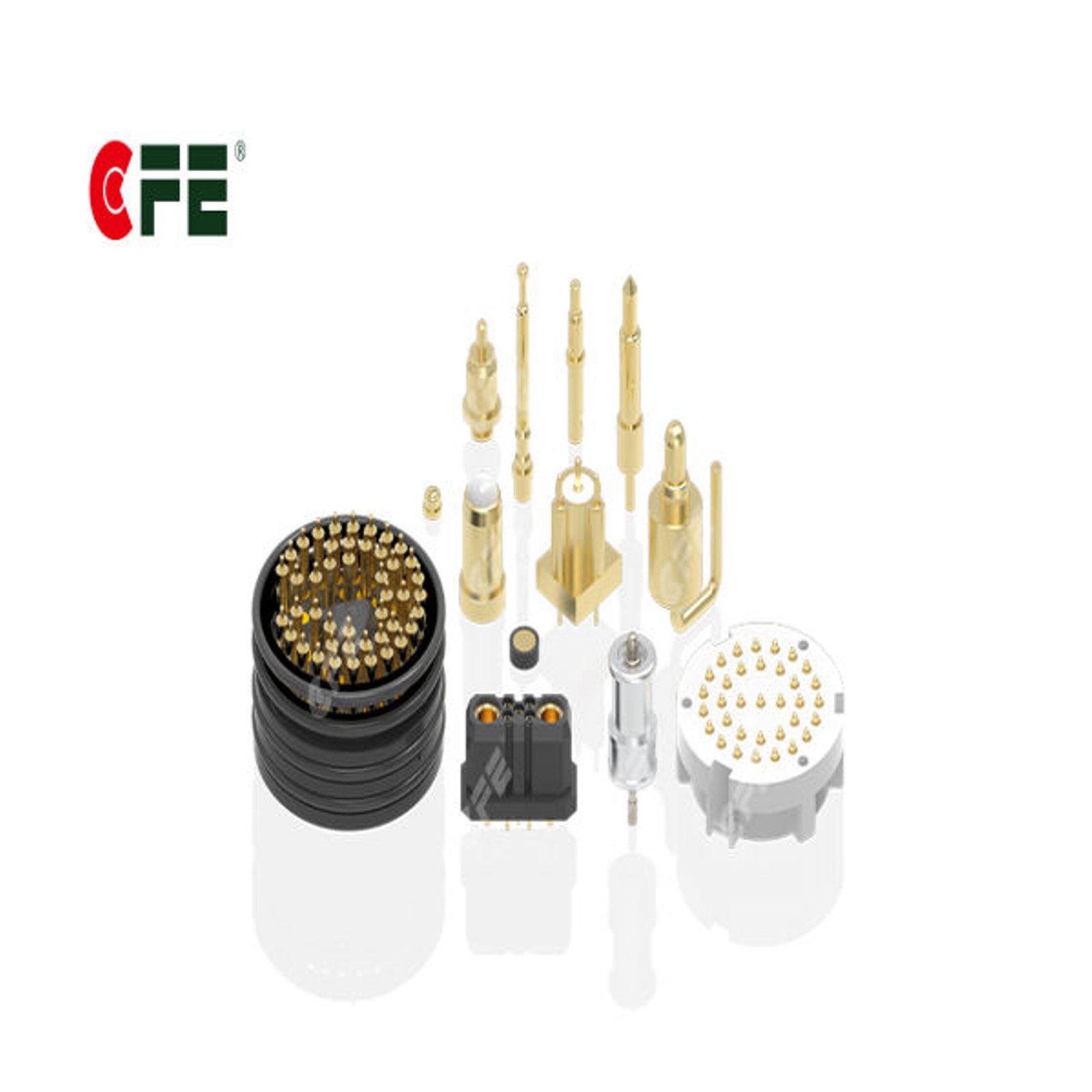
Introduction to Pogo Pin Manufacturing
Pogo pins are precision-engineered spring-loaded connectors widely used in electronics for reliable electrical contact between two components.
They are essential in testing devices, charging bases, and high-density interconnects.
The manufacturing process of pogo pins involves several stages to ensure consistency and durability.
From material selection to plating and assembly, each step plays a vital role in performance and lifespan.

A well-optimized production process reduces resistance, prevents corrosion, and guarantees repeatable contact pressure — key for stable connections.
Understanding this process helps engineers and product designers choose the right pogo pins for their applications.
Step 1: Material Selection and Preparation
The foundation of a high-quality pogo pin lies in its materials.
Typically, manufacturers use brass, beryllium copper, or stainless steel for barrels and plungers because of their excellent conductivity and strength.
Springs are often made from music wire or phosphor bronze, chosen for elasticity and fatigue resistance.
Before machining, raw materials undergo surface cleaning and straightening to ensure smooth processing.
Material purity is also crucial — impurities can weaken structural integrity or cause inconsistent conductivity.
This phase sets the tone for the entire manufacturing process by ensuring that every component meets performance and reliability standards.
Step 2: Precision Machining of Components
Machining is where precision truly matters.
Each pogo pin consists of three main parts: the barrel, plunger, and spring.
Using CNC turning and micro-lathe technology, the barrel and plunger are shaped to exact dimensions.
Tolerances are measured in microns to maintain consistent fit and function.
After machining, each piece undergoes deburring and polishing to remove sharp edges that could affect movement or electrical contact.
Precision machining guarantees that the pogo pin maintains smooth motion, proper alignment, and consistent spring force.
Step 3: Spring and Plunger Assembly
Once machined, the components move to the assembly stage.
Here, the spring is inserted into the barrel, followed by the plunger.
Specialized machines or manual fixtures align and press the components together without damaging internal parts.
Proper alignment is critical to maintaining stable contact resistance and uniform compression.
Manufacturers may use automated assembly lines for large-scale production to achieve repeatable accuracy and efficiency.
After assembly, the pins are tested for spring tension, stroke length, and resistance to confirm reliable operation.
Step 4: Surface Plating Process
Plating enhances the electrical performance and lifespan of pogo pins.
The most common coatings include gold, nickel, and tin — each serving different purposes.
-
Gold plating offers superior conductivity and corrosion resistance.
-
Nickel plating provides hardness and wear protection.
-
Tin plating is a cost-effective choice for general applications.
The plating process usually follows electroplating techniques, where metal ions bond to the pin’s surface.
Proper surface treatment ensures consistent electrical flow, smooth operation, and resistance to oxidation over time.
Step 5: Quality Testing and Inspection
Quality assurance is a non-negotiable step in pogo pin manufacturing.
Each unit undergoes mechanical and electrical testing to ensure compliance with design standards.
Key tests include:
-
Durability testing — verifies spring compression over thousands of cycles.
-
Contact resistance testing — ensures stable electrical performance.
-
Corrosion resistance testing — evaluates long-term surface stability.
Visual inspections using microscopes help detect minor defects such as surface cracks or plating inconsistencies.
High-end manufacturers often use automated optical inspection (AOI) systems for enhanced accuracy.
Step 6: Packaging and Final Delivery
After inspection, pogo pins are cleaned, counted, and packaged for shipment.
Moreover, proper packaging prevents contamination and physical damage during transit.
Manufacturers often use vacuum-sealed or anti-static bags for sensitive electronic components.
Labels include product codes, lot numbers, and compliance certifications to maintain full traceability.
Timely and secure delivery completes the manufacturing process, ensuring clients receive pogo pins that are ready for immediate integration.
Key Factors That Affect Manufacturing Quality
The performance of pogo pins depends on several critical factors:
-
Material Quality: Impurities can increase resistance or reduce elasticity.
-
Machining Precision: Inaccurate dimensions can lead to poor alignment and reduced durability.
-
Plating Thickness: Inadequate coating can cause corrosion and signal loss.
-
Testing Standards: Rigorous inspection ensures reliability under repeated use.
Continuous improvement through advanced machinery and strict quality management keeps manufacturing standards consistent.
Applications of Pogo Pins in Modern Electronics
Additionally, pogo pins are widely used across various industries, such as consumer electronics, medical devices, automotive systems, and testing equipment, ensuring reliable connectivity and performance in each application.
Their ability to deliver reliable electrical contact in compact spaces makes them ideal for:
-
Battery charging docks
-
PCB testing
-
Wearable technology connectors
-
Automotive sensors and modules
As devices become smaller and more complex, pogo pins continue to play a vital role in ensuring stable, repeatable electrical connections.
Conclusion
The pogo pin manufacturing process combines material science, precision engineering, and quality control.
Each step — from material selection to final testing — ensures the pins meet the demanding requirements of modern electronic applications.
By understanding how pogo pins are made, engineers can select the right type for performance, durability, and cost-effectiveness.
Consistent quality and innovation in production will continue driving the evolution of pogo pin technology for years to come.
FAQs
1. What materials are used in pogo pin manufacturing?
Brass, stainless steel, and beryllium copper are commonly used for barrels and plungers. Meanwhile, springs are typically made from music wire or phosphor bronze.
2. Why is gold plating used on pogo pins?
Gold plating enhances conductivity and prevents corrosion, ensuring long-term electrical reliability.
3. How are pogo pins tested for quality?
Manufacturers perform resistance, compression, and durability tests to ensure consistent performance.
4. What industries use pogo pins the most?
They are used in consumer electronics, automotive connectors, testing equipment, and medical devices.
5. What factors affect pogo pin performance?
Key factors include material quality, plating thickness, precision machining, and assembly accuracy.