Introduction: Custom Pogo Pin Connector Manufacturer for OEMs
In today’s fast-paced electronics landscape, Original Equipment Manufacturers (OEMs) are under constant pressure to deliver smaller, smarter, and more reliable products—without compromising on performance or time-to-market. At the heart of many of these innovations lies a small but critical component: the pogo pin connector.

Choosing the right custom pogo pin connector manufacturer for OEMs is no longer a simple sourcing decision. It’s a strategic partnership that directly impacts product reliability, scalability, and long-term success. This in-depth guide explores everything OEMs need to know about custom pogo pin connectors—from design and materials to manufacturing processes, quality assurance, and application-specific customization.
What Are Pogo Pin Connectors?
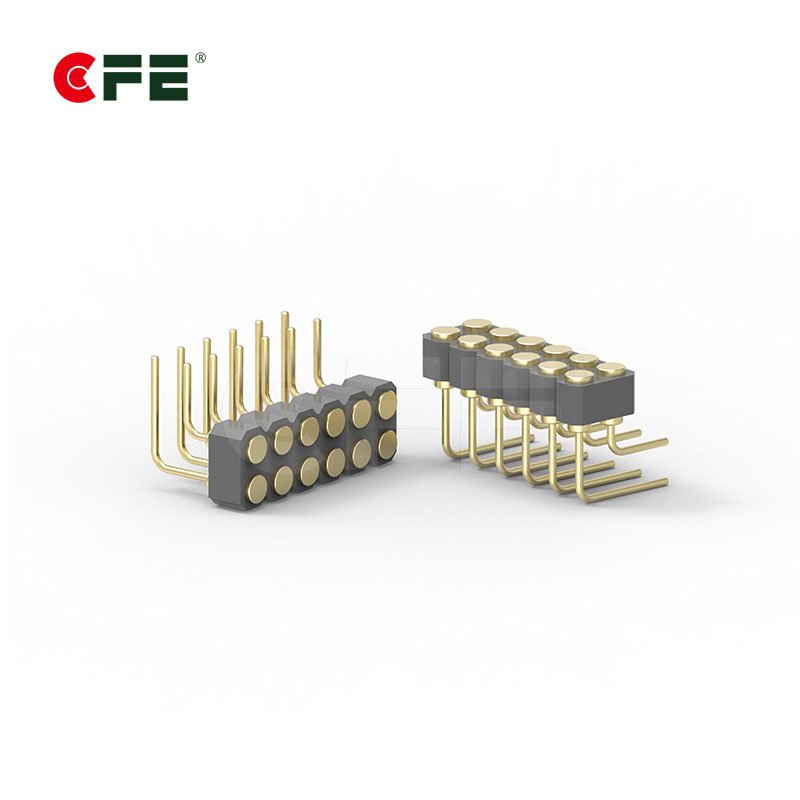
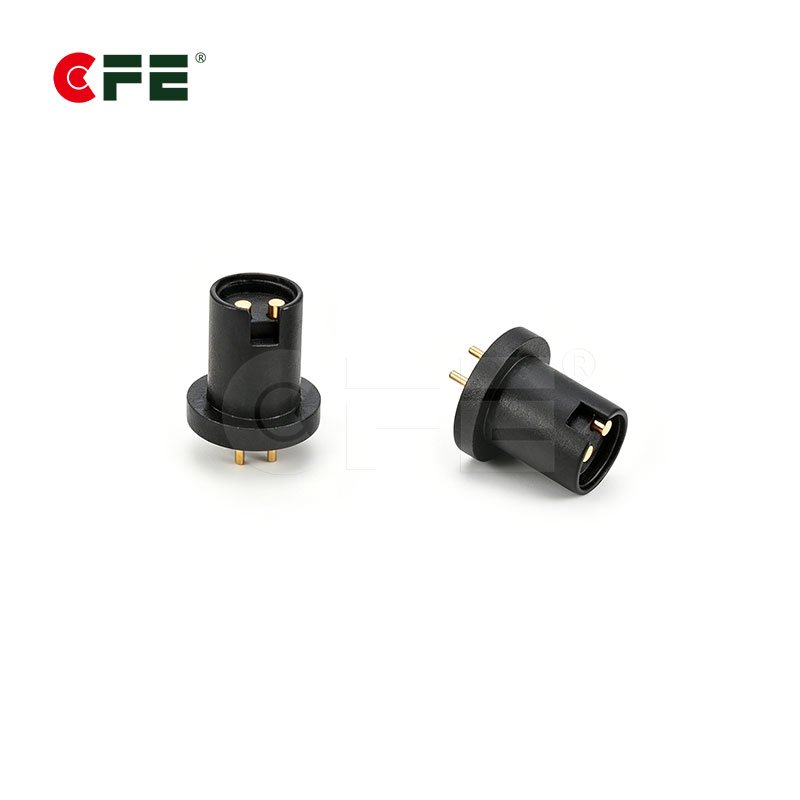
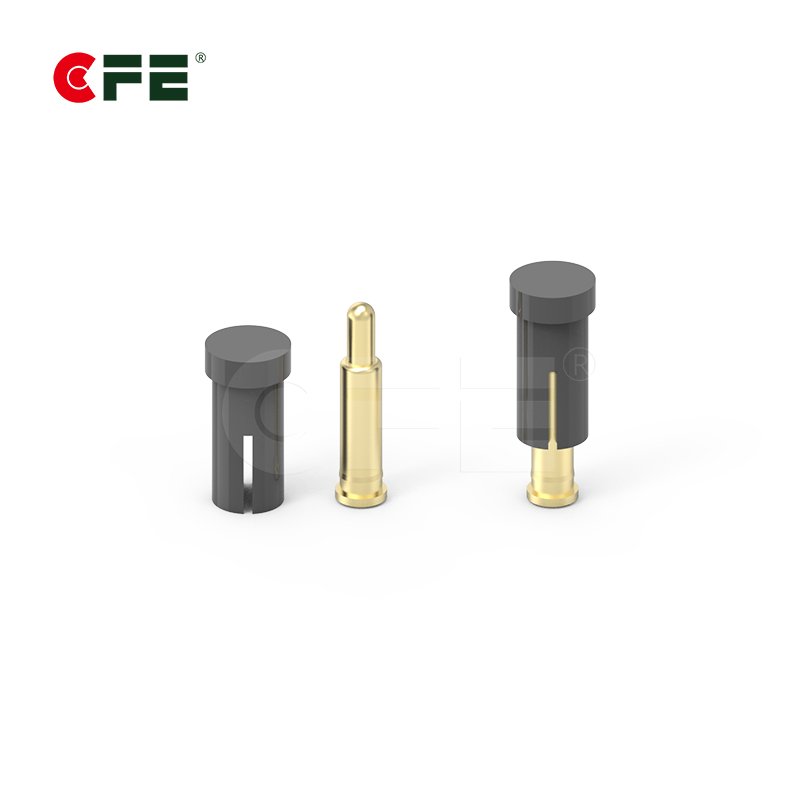
Pogo pin connectors are spring-loaded electrical contacts designed to provide reliable, temporary or semi-permanent connections between two electronic components. Unlike traditional fixed-pin connectors, pogo pins maintain consistent contact pressure, even under vibration, misalignment, or repeated mating cycles.
Key Characteristics of Pogo Pin Connectors
Spring-loaded internal mechanism
High cycle life (often 10,000–1,000,000+ cycles)
Low contact resistance
Compact and space-saving design
Tolerance for misalignment
These features make pogo pin connectors ideal for modern OEM products where precision and durability are non-negotiable.
Why OEMs Choose Custom Pogo Pin Connectors
Off-the-shelf connectors can be limiting. OEMs often require connectors that match unique electrical, mechanical, and environmental specifications. That’s where custom pogo pin connector manufacturing becomes essential.
Benefits of Customization for OEMs
Exact Fit for Your Design
Custom pogo pins are engineered to fit seamlessly into your product’s mechanical layout.Optimized Electrical Performance
Tailored current ratings, contact resistance, and signal integrity for your application.Improved Reliability
Custom materials and spring forces ensure stable connections over long product lifespans.Brand Differentiation
Proprietary connector designs can give OEM products a competitive edge.Scalability
Custom solutions are designed with mass production and long-term supply in mind.
Applications of Custom Pogo Pin Connectors
A professional custom pogo pin connector manufacturer for OEMs serves a wide range of industries.
Consumer Electronics
Smartphones and tablets
Wearables and smartwatches
Charging docks and accessories
Industrial Electronics
Test and measurement equipment
Automation systems
Industrial sensors
Medical Devices
Diagnostic equipment
Portable medical devices
Sterilizable and low-leakage connectors
Automotive and EV
In-vehicle electronics
Battery management systems
Infotainment modules
Aerospace and Defense
Ruggedized communication systems
Avionics testing interfaces
The Custom Pogo Pin Manufacturing Process
Understanding the manufacturing process helps OEMs evaluate suppliers more effectively.
1. Design & Engineering Consultation
The process begins with a deep dive into your requirements:
Electrical specs (current, voltage, resistance)
Mechanical constraints (size, travel, spring force)
Environmental conditions (temperature, humidity, vibration)
Advanced manufacturers use CAD modeling and simulation tools to refine designs before prototyping.
2. Material Selection
Material choice directly affects performance and lifespan.
Common Materials Include:
Pin & Plunger: Brass, beryllium copper
Spring: Stainless steel or music wire
Plating: Gold, nickel, palladium
Gold plating is especially popular for OEM applications due to its excellent conductivity and corrosion resistance.
3. Precision Machining
High-precision CNC machining ensures tight tolerances, often within microns. This step is crucial for maintaining consistent spring force and contact reliability across large production volumes.
4. Assembly & Spring Integration
The spring-loaded mechanism is assembled under controlled conditions to ensure uniform performance and long cycle life.
5. Surface Plating & Finishing
Electroplating improves conductivity, wear resistance, and corrosion protection—key factors for OEM-grade connectors.
6. Testing & Quality Control
Every batch undergoes rigorous testing:
Contact resistance testing
Mechanical durability testing
Environmental stress testing
Quality Standards OEMs Should Expect
A reliable custom pogo pin connector manufacturer for OEMs adheres to strict quality standards.
Important Certifications
ISO 9001 (Quality Management)
ISO 14001 (Environmental Management)
RoHS & REACH compliance
Quality Assurance Practices
Incoming material inspection
In-process quality checks
Final performance validation
These measures ensure consistency, traceability, and compliance with global OEM requirements.
Design Considerations for OEM Custom Pogo Pins
When collaborating with a manufacturer, OEMs should focus on the following design aspects:
Electrical Requirements
Rated current and voltage
Signal vs. power transmission
EMI and noise considerations
Mechanical Requirements
Pin travel distance
Spring force (grams or newtons)
Mounting method (PCB, press-fit, solder)
Environmental Factors
Operating temperature range
Exposure to moisture, dust, or chemicals
Shock and vibration resistance
A strong manufacturer will proactively suggest design optimizations to improve performance and reduce cost.
Why Partner with a Specialized OEM Manufacturer
Not all connector suppliers are created equal. OEMs benefit most from manufacturers who specialize in custom pogo pin solutions.
Key Advantages
Dedicated R&D support
Faster prototyping and iteration
Consistent high-volume production
Long-term supply chain stability
This partnership approach reduces risk and accelerates product development cycles.
FAQs
1. What is the typical lead time for custom pogo pin connectors?
Lead times vary, but most OEM manufacturers offer prototypes in 2–4 weeks and mass production in 4–8 weeks.
2. Can custom pogo pins handle high current applications?
Yes. With proper design and material selection, custom pogo pins can handle high current requirements safely.
3. Are custom pogo pin connectors cost-effective for large volumes?
Absolutely. While initial tooling may cost more, unit pricing becomes very competitive at scale.
4. How long do pogo pin connectors last?
Depending on design, pogo pins can last from 10,000 to over 1,000,000 mating cycles.
5. Can pogo pin connectors be used in harsh environments?
Yes. Custom designs with sealed housings and special plating perform well in harsh conditions.
Conclusion
Selecting the right custom pogo pin connector manufacturer for OEMs is a crucial decision that affects product quality, reliability, and scalability. Custom pogo pin connectors offer unmatched flexibility, precision, and durability—making them an ideal solution for modern OEM applications across consumer, industrial, medical, and automotive markets.
By partnering with an experienced manufacturer that emphasizes customization, quality control, and long-term collaboration, OEMs can future-proof their products and stay ahead in an increasingly competitive electronics landscape.