
Magnetic connectors have rapidly become one of the most innovative solutions in modern electrical connectivity. Their ability to create secure, reliable, and easy-to-use connections has made them a preferred choice across numerous industries. Unlike traditional connectors, magnetic connectors use magnetic force to align and connect devices quickly and safely.
As technology advances and industries demand faster, more durable, and safer connectivity solutions, magnetic connectors are becoming increasingly essential. From consumer electronics to aerospace engineering, these connectors provide convenience, improved efficiency, and enhanced durability.
In this article, we’ll explore what industries use magnetic connectors most, why they rely on them, and how magnetic connector technology is shaping the future.
What Are Magnetic Connectors?
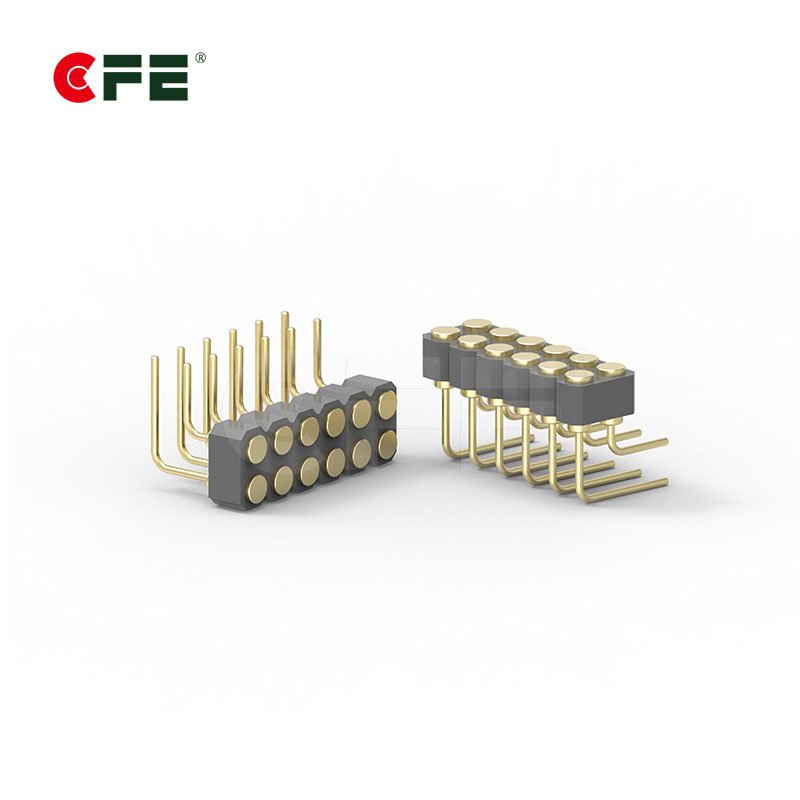
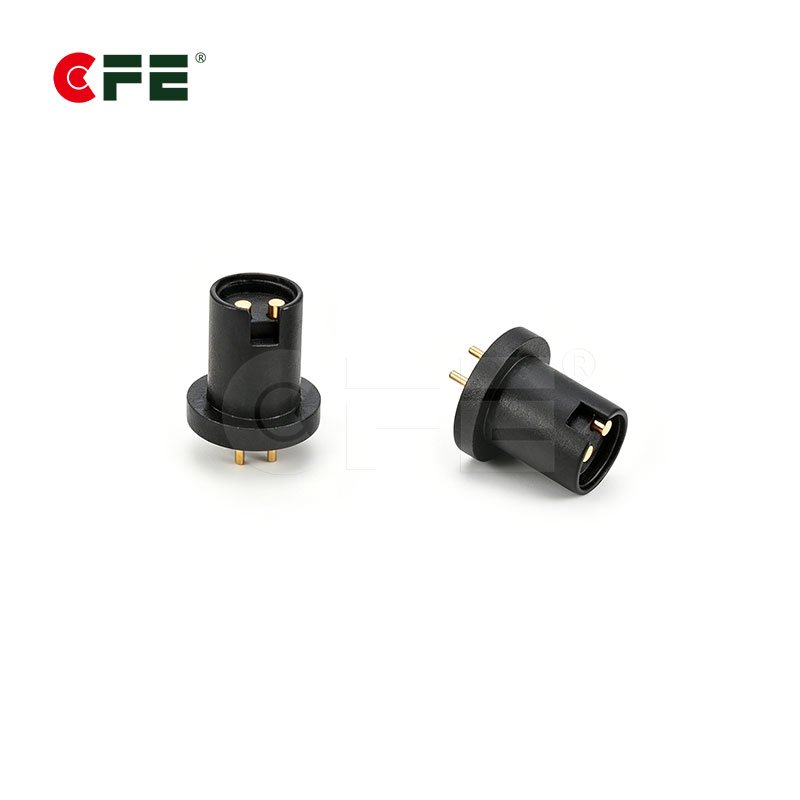
Magnetic connectors are electrical connectors that use built-in magnets to automatically align and establish a secure connection between two components.
They consist of:
- Magnetic pins
- Conductive contacts
- Protective housing
- Automatic alignment mechanisms
These connectors eliminate many common problems associated with traditional connectors, such as:
- Misalignment
- Physical wear and tear
- Difficult insertion
- Broken charging ports
- Connector damage from forced insertion
Because of these advantages, magnetic connectors are now widely adopted across industries requiring precision, reliability, and durability.
Why Are Magnetic Connectors So Popular?
Before diving into the industries, it’s important to understand why magnetic connectors are gaining popularity.
Key Benefits
1. Easy Connection
Users can connect devices instantly without precise alignment.
2. Enhanced Durability
Less physical friction means reduced wear over time.
3. Improved Safety
Magnetic detachment prevents accidental cable damage.
4. Waterproof Options
Many magnetic connectors support sealed designs.
5. Space Efficiency
Compact designs fit smaller devices.
6. Faster Maintenance
Technicians can quickly connect and disconnect systems.
Top Industries That Use Magnetic Connectors Most
1. Consumer Electronics Industry
The consumer electronics industry is one of the biggest adopters of magnetic connectors.
Applications Include:
- Smartphones
- Tablets
- Laptops
- Wearables
- Gaming accessories
- Wireless earbuds
One of the most recognized examples is magnetic charging systems used in premium laptops and smartphones.
Why This Industry Uses Them
Consumer electronics manufacturers prioritize:
- User convenience
- Product durability
- Faster charging solutions
- Sleek product design
Magnetic connectors reduce charging port damage, one of the most common causes of electronic device failure.
2. Medical Devices Industry
The medical sector depends heavily on reliability and precision.
Magnetic connectors are increasingly used in:
- Portable diagnostic devices
- Patient monitoring systems
- Surgical tools
- Imaging equipment
- Wearable health devices
Why Medical Devices Need Magnetic Connectors
Medical equipment requires:
Quick Emergency Connection
Doctors and nurses need instant connectivity.
Hygienic Design
Smooth connector surfaces are easier to clean.
Safe Disconnect
Prevents accidental damage.
Reliable Data Transfer
Critical patient information must transfer without interruption.
Magnetic connectors help ensure consistent performance in high-pressure healthcare environments.
3. Automotive Industry
Modern vehicles are becoming highly dependent on advanced electronics.
Magnetic connectors are now used in:
- Electric vehicles (EVs)
- Battery management systems
- Infotainment systems
- Diagnostic equipment
- Charging accessories
Why Automotive Companies Use Them
Resistance to Vibration
Cars experience constant movement.
Quick Maintenance
Mechanics benefit from rapid connections.
Durability
Automotive systems need long-lasting components.
Electric vehicle manufacturers especially benefit because magnetic connectors improve charging safety and convenience.
4. Industrial Automation
Industrial automation is one of the fastest-growing sectors for magnetic connector adoption.
Applications include:
- Robotics
- Sensors
- Manufacturing systems
- Control panels
- Automated assembly lines
Benefits for Industrial Environments
Reduced Downtime
Quick reconnection saves time.
Improved Reliability
Stable connections support continuous operations.
Simplified Maintenance
Technicians can replace modules quickly.
Factories increasingly use magnetic connectors to improve operational efficiency.
5. Aerospace and Defense
The aerospace and defense industries demand extremely reliable connectivity.
Magnetic connectors are used in:
- Avionics systems
- Military communication devices
- Navigation systems
- Portable field equipment
Why Aerospace Uses Magnetic Connectors
These industries require:
- Lightweight components
- Secure connectivity
- High-performance durability
- Resistance to harsh conditions
Precision matters greatly in aerospace systems, making magnetic alignment highly valuable.
6. Wearable Technology
Wearable devices rely on compact, efficient connectors.
Examples include:
- Smartwatches
- Fitness trackers
- Medical wearables
- Smart glasses
Why Wearables Need Magnetic Connectors
Wearables demand:
- Small form factors
- User-friendly charging
- Water resistance
- Lightweight construction
Magnetic charging docks have become standard for many wearable devices.
7. Marine Industry
The marine sector often deals with moisture, corrosion, and rough handling.
Magnetic connectors are increasingly used in:
- Marine navigation equipment
- Waterproof communication systems
- Portable marine electronics
Advantages for Marine Use
- Corrosion resistance
- Waterproof capabilities
- Easy operation in harsh environments
8. Renewable Energy Industry
As renewable energy expands, magnetic connectors are supporting cleaner energy systems.
Applications include:
- Solar monitoring systems
- Portable power stations
- Battery storage systems
- Smart grid equipment
Why Renewable Energy Uses Them
The industry values:
- Easy maintenance
- Reliable outdoor performance
- Long operational lifespan
Future Growth of Magnetic Connectors
The magnetic connector market is expected to grow significantly due to:
- Expansion of IoT devices
- Growth of electric vehicles
- Rising wearable tech adoption
- Demand for safer charging systems
- Smart manufacturing trends
As industries continue to digitize, magnetic connectivity will become even more critical.
How to Choose the Right Magnetic Connector for Your Industry
Consider these factors:
1. Current Rating
Ensure it supports the required power levels.
2. Environmental Protection
Look for waterproof or dustproof ratings.
3. Durability
Choose connectors rated for repeated cycles.
4. Size Constraints
Compact designs matter for small devices.
5. Data Transfer Speed
Critical for advanced systems.
FAQs
What industry uses magnetic connectors the most?
Consumer electronics currently lead due to widespread use in smartphones, laptops, and accessories.
Are magnetic connectors safe?
Yes, they are generally safer because they disconnect easily under stress.
Can magnetic connectors handle high power?
Yes, advanced industrial models support high-current applications.
Are magnetic connectors waterproof?
Many are designed with waterproof protection for harsh environments.
Do electric vehicles use magnetic connectors?
Yes, especially in charging accessories and battery systems.
Conclusion
Magnetic connectors have become essential across many modern industries. From consumer electronics and medical devices to automotive systems and industrial automation, their benefits are transforming how devices connect and communicate.
Their combination of durability, convenience, safety, and efficiency makes them a preferred solution for industries requiring reliable performance.
As technology continues evolving, magnetic connectors will play an even bigger role in shaping next-generation products and systems.