
In today’s fast-paced industrial landscape, connectivity solutions are more important than ever. From manufacturing automation systems to robotics, medical equipment, transportation systems, and industrial IoT devices, every connection point matters.
Among the many connector technologies available, magnetic connectors are becoming increasingly popular. Their sleek design, quick connection capability, and safety benefits have made them a preferred choice in modern industrial applications.
But the question remains:
Are magnetic connectors reliable for industrial devices?
The short answer is yes—when designed and selected correctly, magnetic connectors are highly reliable for industrial applications.
However, like any technology, their reliability depends on several factors, including build quality, environment, usage frequency, and application-specific requirements.
This article explores magnetic connector reliability, its advantages, limitations, industrial use cases, and how businesses can determine whether they are the right choice.
What Are Magnetic Connectors?
Magnetic connectors are electrical connectors that use magnetic force to establish a secure connection between two mating components.
Unlike traditional connectors that require precise alignment and manual insertion, magnetic connectors automatically align themselves when brought close together.
These connectors usually consist of:
- Magnetic contact points
- Conductive pins or pads
- Alignment magnets
- Protective housing
Their self-aligning mechanism makes them ideal for applications requiring:
- Frequent connections/disconnections
- Fast assembly
- Reduced wear and tear
- User-friendly operation
Why Reliability Matters in Industrial Devices
Industrial devices operate in environments where failure is not an option.
A connector failure can result in:
- Production downtime
- Equipment malfunction
- Data transmission errors
- Safety hazards
- Expensive repairs
For this reason, industrial engineers prioritize:
Durability
Connectors must withstand repeated use.
Environmental Resistance
Protection against dust, moisture, vibration, and extreme temperatures.
Stable Electrical Performance
Consistent signal and power transfer.
Mechanical Strength
Ability to stay connected during operation.
Magnetic connectors are evaluated against these critical requirements.
How Reliable Are Magnetic Connectors?
The reliability of magnetic connectors depends largely on design engineering and application compatibility.
High-quality industrial magnetic connectors offer impressive reliability through several mechanisms.
1. Reduced Mechanical Wear
Traditional connectors experience friction during insertion and removal.
Over time, this causes:
- Pin bending
- Contact degradation
- Housing damage
Magnetic connectors minimize physical stress because they connect gently through magnetic attraction.
This significantly extends operational lifespan.
2. Self-Alignment Prevents Damage
One major reliability issue with standard connectors is misalignment.
Forced insertion often causes:
- Bent pins
- Broken contacts
- Device damage
Magnetic connectors self-align automatically, reducing these risks.
This feature is especially valuable in:
- Automated machinery
- Robotic systems
- Medical devices
3. Fast Disconnect for Safety
Industrial environments often involve movement.
If a cable is accidentally pulled, traditional connectors may damage ports.
Magnetic connectors detach safely under excessive force.
This protects:
- Internal circuitry
- Connector housing
- Attached devices
This breakaway feature enhances both reliability and safety.
4. High Cycle Life
Many premium magnetic connectors are rated for 10,000+ mating cycles.
This makes them ideal for devices requiring constant reconnection.
Examples include:
- Modular industrial equipment
- Charging systems
- Testing stations
5. Corrosion-Resistant Contacts
Industrial-grade magnetic connectors are often used:
- Gold-plated contacts
- Nickel-plated housings
- Sealed enclosures
These materials improve resistance to:
- Oxidation
- Moisture damage
- Chemical exposure
This ensures long-term electrical reliability.
Industrial Applications Where Magnetic Connectors Perform Well
Magnetic connectors are increasingly used across industries.
Manufacturing Automation

automotive
Factory automation relies heavily on fast, reliable connectivity.
Magnetic connectors simplify:
- Sensor replacement
- Tool changes
- Modular system assembly
Their quick-connect capability reduces downtime.
Robotics

Robotic systems require flexible connectivity
- Rotational movement
- Fast maintenance
- Safe disconnection
This improves operational efficiency.
Medical Equipment
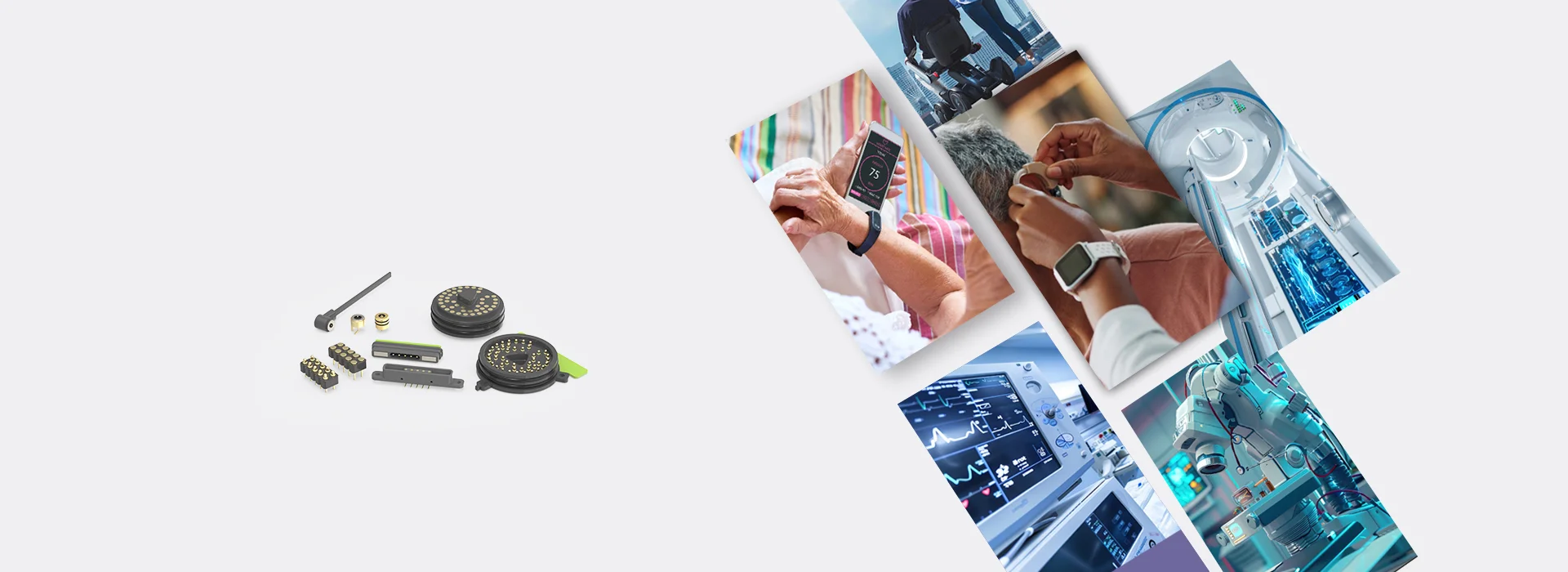
Medical devices demand precision and reliability
Magnetic connectors are ideal for:
- Portable diagnostic equipment
- Charging systems
- Sterile device interfaces
Their easy connection minimizes user error.
Transportation Systems
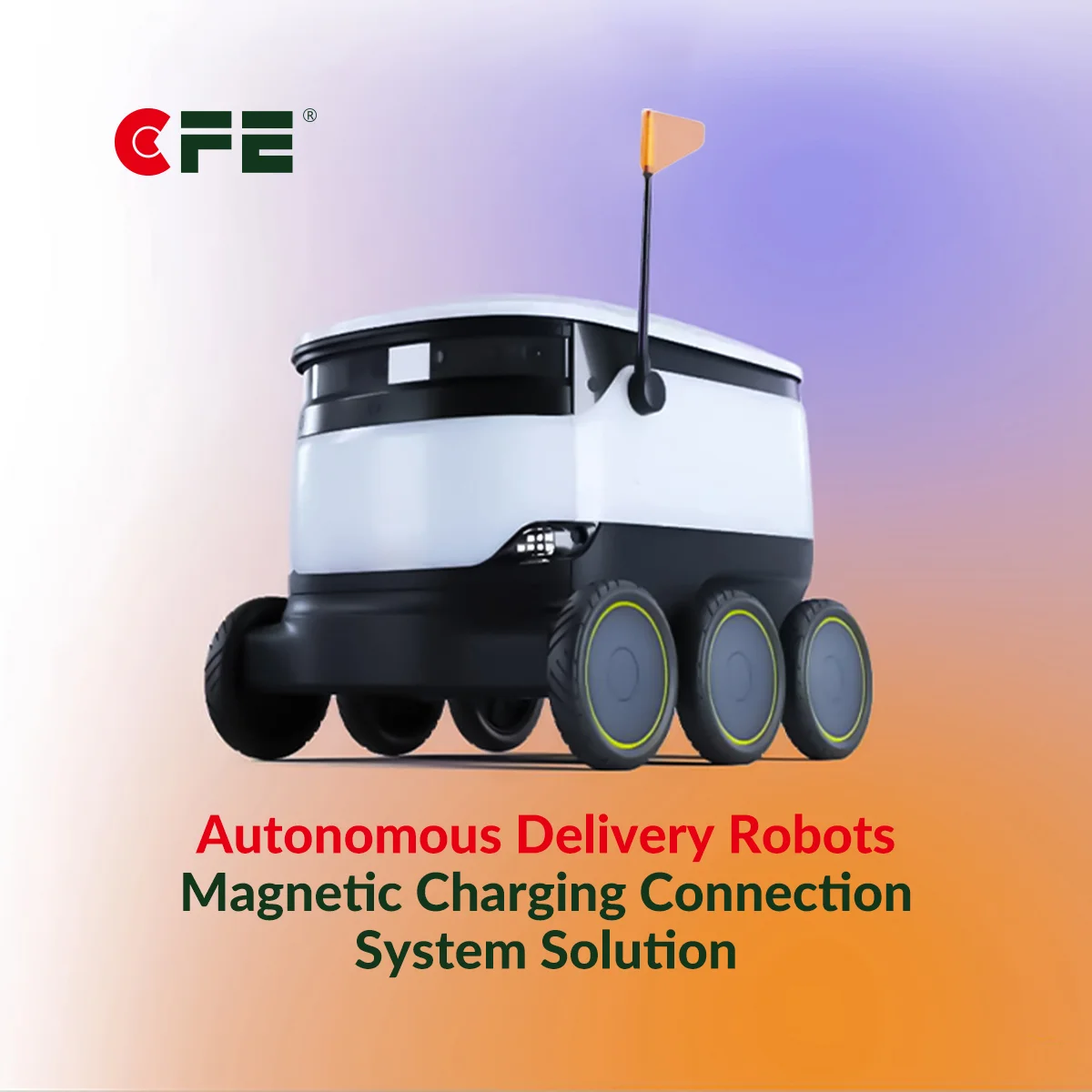
Rail systems, EV charging components, and fleet devices benefit from magnetic connectors due to vibration resistance and fast servicing.
Industrial IoT Devices
IIoT devices often need compact and efficient connectivity.
Magnetic connectors provide:
- Compact form factor
- Easy field servicing
- Stable signal transmission
Potential Limitations of Magnetic Connectors
While highly reliable, magnetic connectors are not perfect.
1. Lower Holding Strength
In extremely high-vibration environments, weaker magnets may disconnect unintentionally.
Solution:
Choose industrial-grade connectors with a strong retention force.
2. Environmental Contamination
Metal dust or debris may accumulate around magnetic surfaces.
This can affect performance.
Solution:
Use sealed or protected magnetic connector designs.
3. Current Capacity Limitations
Not all magnetic connectors support high-power applications.
Heavy-duty systems may require specialized models.
4. Initial Cost
Premium magnetic connectors can cost more upfront.
However, reduced maintenance often offsets this expense.
Key Factors That Determine Reliability
When selecting magnetic connectors for industrial devices, evaluate:
Material Quality
Choose corrosion-resistant metals.
Magnet Strength
Ensure secure retention.
IP Rating
Look for protection against dust and water.
Cycle Rating
Higher cycle ratings indicate durability.
Current/Voltage Capacity
Match electrical requirements.
Manufacturer Reputation
Trusted manufacturers deliver tested reliability.
Why Industries Are Switching to Magnetic Connectors
Businesses are adopting magnetic connectors because they offer:
Faster Maintenance
Quick replacement reduces downtime.
Improved Device Lifespan
Less mechanical wear extends equipment life.
Better User Experience
Simple connection process.
Enhanced Safety
Breakaway disconnect protects equipment.
Future-Ready Design
Supports modular industrial systems.
Are Magnetic Connectors Better Than Traditional Connectors?
The answer depends on the application.
Choose Magnetic Connectors If You Need:
- Frequent reconnections
- Fast servicing
- Safe breakaway functionality
- Reduced wear
Choose Traditional Connectors If You Need:
- Maximum locking strength
- Extreme vibration resistance
- Ultra-high current transfer
For many industrial applications, magnetic connectors offer superior convenience without sacrificing reliability.
The Future of Magnetic Connector Reliability
As technology evolves, magnetic connectors are becoming more advanced.
Emerging innovations include:
- Smart magnetic connectors
- Waterproof industrial designs
- Higher current capabilities
- Improved magnetic retention systems
These advancements will further improve reliability.
FAQs
Are magnetic connectors durable enough for industrial use?
Yes, industrial-grade magnetic connectors are designed for durability and repeated use.
Can magnetic connectors handle vibration?
High-quality models can handle moderate vibration. For extreme environments, specialized versions are recommended.
Do magnetic connectors wear out?
They experience significantly less wear compared to traditional connectors.
Are magnetic connectors waterproof?
Some industrial models feature waterproof and dustproof ratings.
Are they safe for critical systems?
Yes, if properly specified for the application.
Conclusion
So, are magnetic connectors reliable for industrial devices?
The answer is a strong yes.
When selected correctly, magnetic connectors provide:
- Excellent durability
- Reliable electrical performance
- Reduced maintenance
- Improved safety
- Long operational lifespan
For industries embracing automation, modularity, and efficiency, magnetic connectors represent a dependable and forward-thinking connectivity solution.
Their reliability continues to improve as engineering advances, making them an increasingly smart investment for modern industrial systems.