
Introduction
In modern industrial technology, we need to know what magnetic connector solutions are evolving rapidly. Traditional connectors have served industries for decades, but they often come with limitations such as wear and tear, misalignment issues, accidental damage, and difficult maintenance.
This is where magnetic connectors have transformed industrial connectivity.
Magnetic connectors are becoming an essential component across manufacturing, medical devices, robotics, charging docks, automotive systems, and wearable electronics. Their unique self-aligning mechanism, durability, and user-friendly design make them a superior alternative to traditional connectors in many industrial environments.
This comprehensive guide explains what magnetic connectors are, how they work, their advantages, types, applications, and why industries worldwide are adopting them.
What Are Magnetic Connectors?
Magnetic connectors are specialized electrical connectors that use magnetic force to align and connect two separate components.
Unlike conventional connectors that require precise manual insertion, magnetic connectors automatically guide themselves into the correct position through magnetic attraction.
They typically consist of:
- Magnetic housing
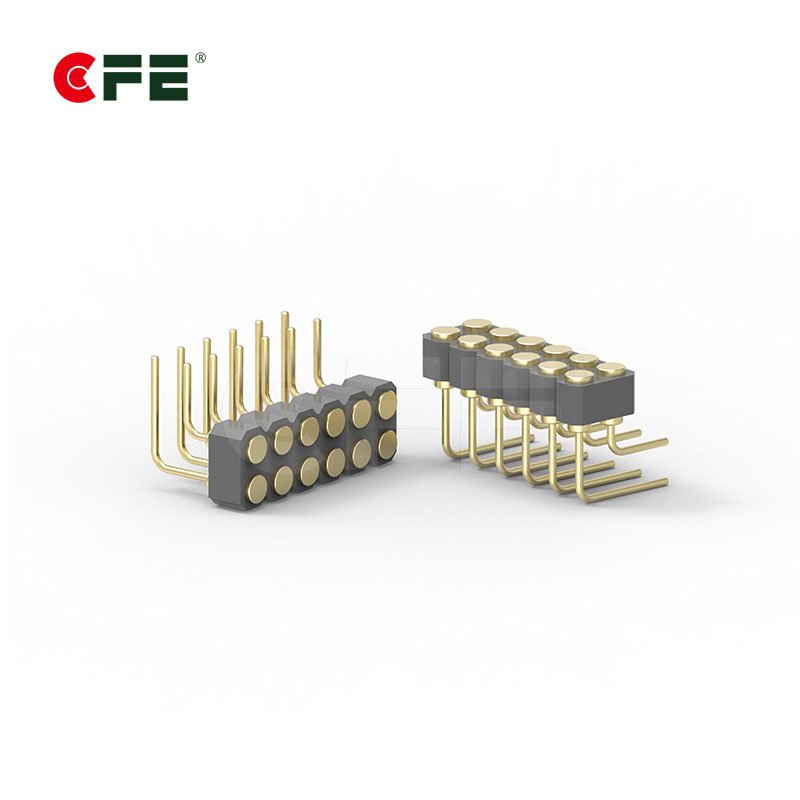
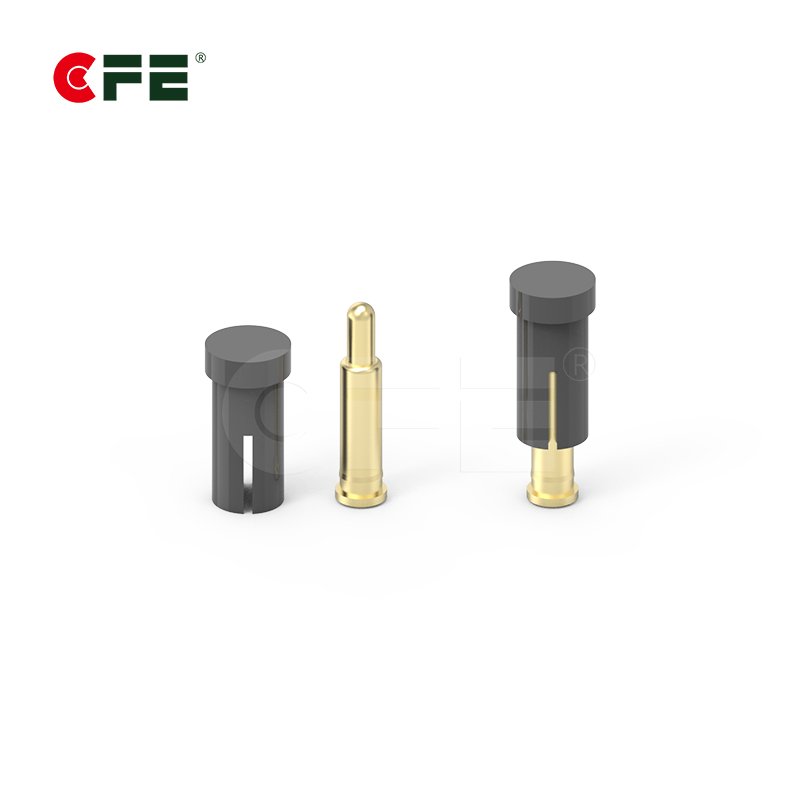
- Conductive pogo pins or contact points
- Alignment magnets
- Protective casing
- Spring-loaded contact mechanisms
These connectors are engineered for repeated connection cycles while maintaining reliable electrical performance.
Their smart design reduces mechanical stress and significantly improves connection efficiency.
How Do Magnetic Connectors Work?
Magnetic connectors operate using embedded magnets placed inside both mating connector parts.
When brought close together:
1. Magnetic Attraction
The magnets pull both connector halves together.
2. Automatic Alignment
The magnetic field ensures proper positioning.
3. Electrical Contact
Spring-loaded pogo pins establish stable electrical transmission.
4. Secure Connection
Magnetic force maintains consistent contact.
5. Safe Disconnection
If excessive force is applied, the connector detaches safely.
This mechanism minimizes wear and protects connected devices from accidental damage.
Key Components of Magnetic Connectors
Understanding their structure helps explain why they are ideal for industrial applications.
Magnetic Alignment System
Ensures accurate positioning without manual precision.
Pogo Pins
Spring-loaded conductive pins that maintain electrical contact.
Insulation Layer
Protects against short circuits.
Contact Surface
Transfers power, data, or signals.
Protective Housing
Often designed to resist dust, moisture, and impact.
Benefits of Magnetic Connectors for Industrial Applications
Industries choose magnetic connectors because they solve common connectivity challenges.
1. Easy Connection and Disconnection
Operators can connect devices quickly without force.
This improves workflow efficiency.
2. Enhanced Durability
Traditional connectors degrade due to friction.
Magnetic connectors reduce physical wear.
Many support 10,000 to 100,000 mating cycles.
3. Improved Safety
The breakaway feature prevents equipment damage.
This is especially valuable in:
- Medical equipment
- Robotics
- Moving machinery
4. Reduced Maintenance
Less mechanical wear means lower maintenance costs.
5. Waterproof and Dustproof Options
Industrial-grade magnetic connectors often feature:
- IP67 protection
- IP68 protection
These ratings ensure reliability in harsh environments.
6. Space-Saving Design
Compact designs support miniaturized electronics.
7. Better User Experience
Quick self-alignment eliminates operator frustration.
Types of Magnetic Connectors

Several connector types are used depending on industrial requirements.
2-Pin Magnetic Connectors
Best for:
- Power delivery
- Charging systems
- Low-complexity devices
Applications:
Charging docks, handheld devices
4-Pin Magnetic Connectors
Suitable for:
- Power + data transfer
Applications:
Industrial tablets, portable scanners
6-Pin Magnetic Connectors
Ideal for:
- Multi-signal transmission
Applications:
Medical devices, robotics
8-Pin and Higher
Used for advanced systems requiring:
- High-speed data
- Multiple signal channels
Applications:
Automation systems, testing equipment
Circular Magnetic Connectors
Excellent for rotational alignment.
Used in rugged industrial setups.
Flat Magnetic Connectors
Compact and sleek.
Perfect for wearables and slim industrial devices.
Industrial Applications of Magnetic Connectors
Magnetic connectors have become essential across multiple industries.
1. Medical Devices

Medical
Used in:
- Patient monitoring systems
- Diagnostic tools
- Portable healthcare devices
Benefits:
- Easy sterilization
- Fast connection
- Improved safety
2. Industrial Automation
Factories rely on them for:
- Sensors
- Control systems
- Robotic modules
They reduce downtime during maintenance.
3. Robotics
Robots require reliable movement-friendly connectors.
Magnetic connectors provide:
- Flexibility
- Quick release
- Reliable contact
4. Charging Stations
Widely used in:
- Smart charging docks
- Battery-powered tools
- Portable electronics
5. Automotive Systems

Used in:
- EV charging components
- Dashboard modules
- Sensor interfaces
6. Wearable Industrial Technology
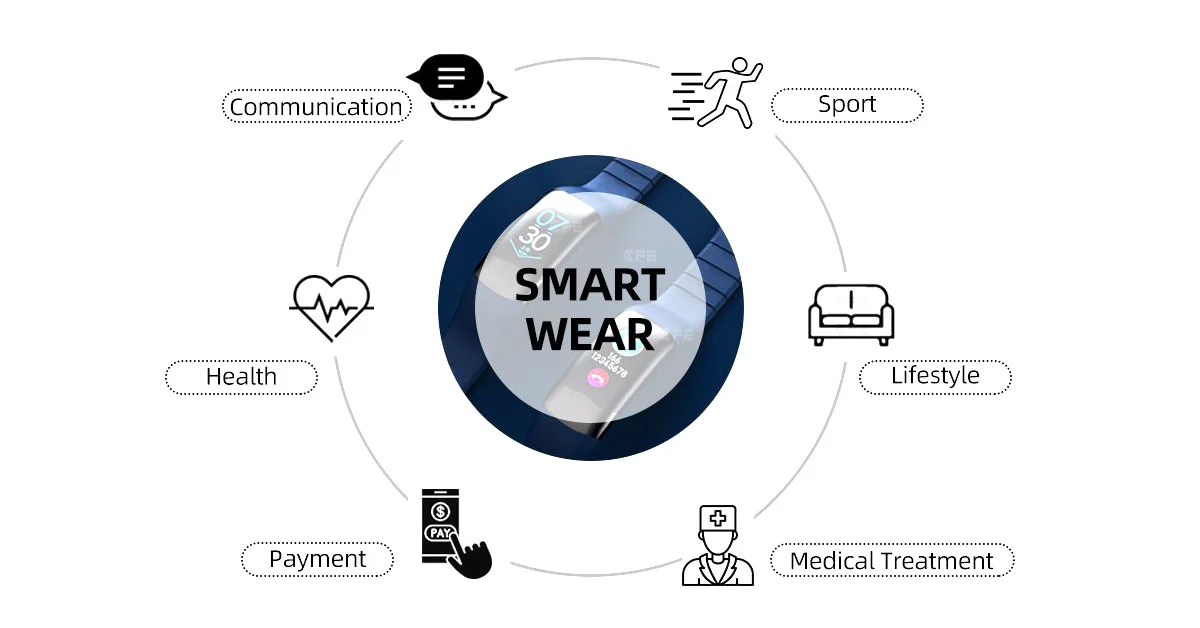
Examples include:
- Smart helmets
- Safety wearables
- Tracking devices
Why Magnetic Connectors Are Better Than Traditional Connectors
Feature |
Magnetic Connectors |
Traditional Connectors |
|---|---|---|
| Alignment | Automatic | Manual |
| Wear Resistance | High | Moderate |
| Connection Speed | Fast | Slower |
| Safety | Breakaway | Fixed |
| Maintenance | Low | Higher |
This comparison highlights why industries are transitioning to magnetic solutions.
Factors to Consider When Choosing Magnetic Connectors
Selecting the right connector depends on:
Current Rating
Match electrical load requirements.
Pin Count
Choose based on signal complexity.
Waterproof Rating
Important for harsh environments.
Durability
Check the mating cycle lifespan.
Contact Resistance
Lower resistance improves efficiency.
Mounting Style
Surface mount or cable mount.
Future of Magnetic Connectors in Industry
The future looks promising.
Emerging trends include:
- Smart connectors with monitoring capabilities
- Faster data transmission
- Miniaturized designs
- Stronger magnetic locking systems
- Improved waterproof technology
As Industry 4.0 expands, magnetic connectors will become increasingly critical.
FAQs
What is the main purpose of magnetic connectors?
They provide fast, secure, self-aligning electrical connections.
Are magnetic connectors durable?
Yes, many industrial models support tens of thousands of connection cycles.
Can magnetic connectors transfer data?
Yes. Multi-pin versions support both power and data transfer.
Are magnetic connectors waterproof?
Many industrial-grade options offer IP67 or IP68 protection.
Where are magnetic connectors commonly used?
Medical devices, robotics, charging docks, automation systems, and automotive electronics.
Conclusion
Magnetic connectors represent a major advancement in industrial connectivity.
Their self-aligning design, durability, safety features, and maintenance efficiency make them ideal for modern industrial systems.
Whether used in medical equipment, robotics, automation, or charging infrastructure, these connectors improve performance while reducing downtime and operational costs.
As industries continue to adopt smarter, more efficient technologies, magnetic connectors will play a vital role in shaping the future of industrial electronics.