Technology evolves rapidly, and charging solutions are no exception. From bulky charging adapters to sleek USB-C ports, every generation has introduced innovations designed to improve speed, efficiency, and user convenience. One of the latest innovations gaining attention is magnetic connectors.
These connectors offer a futuristic alternative to traditional charging ports by using magnets to establish secure and efficient connections between devices and power sources. But the big question remains:
Can magnetic connectors truly replace traditional charging ports?
The answer is not as simple as yes or no. While magnetic charging connectors provide remarkable convenience and durability, traditional charging ports still dominate the market due to compatibility, performance consistency, and widespread adoption.
In this article, we’ll explore the advantages, challenges, and future potential of magnetic connectors and whether they can fully replace traditional charging ports.
What Are Magnetic Connectors?
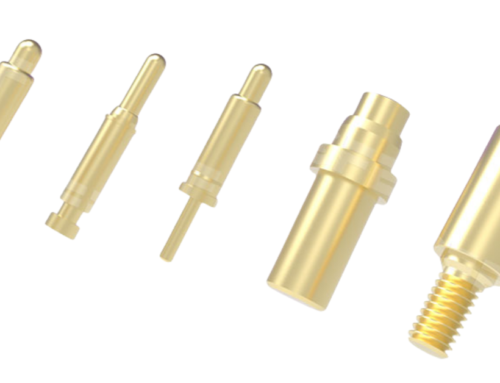
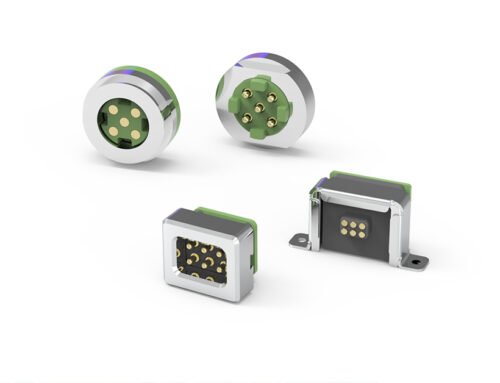
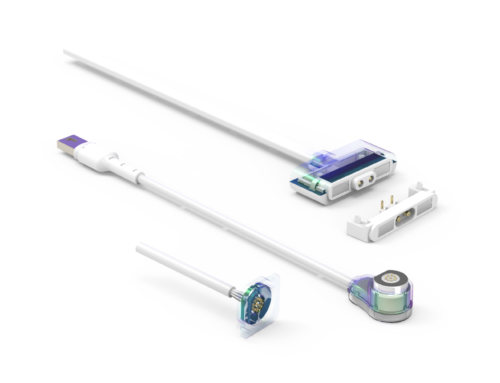
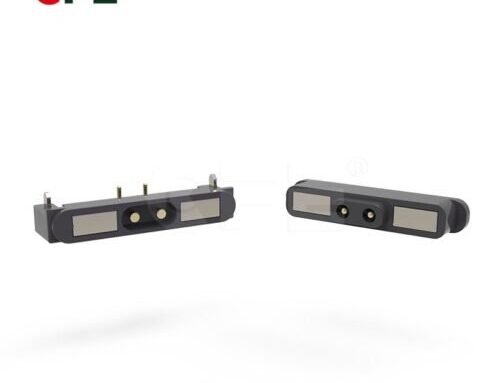
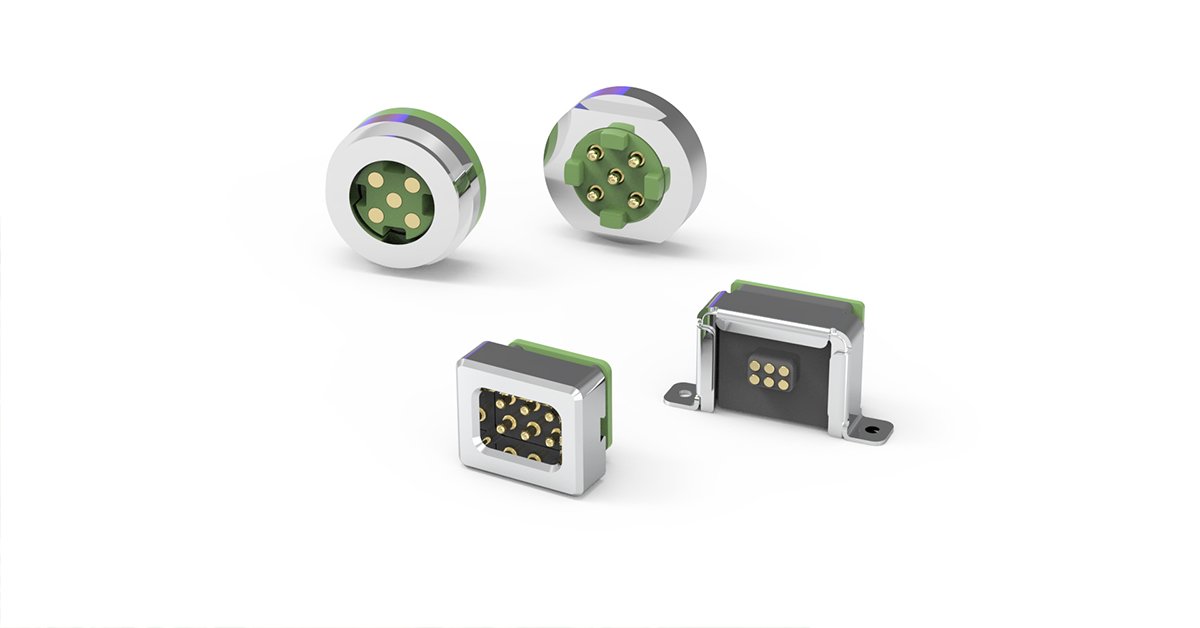
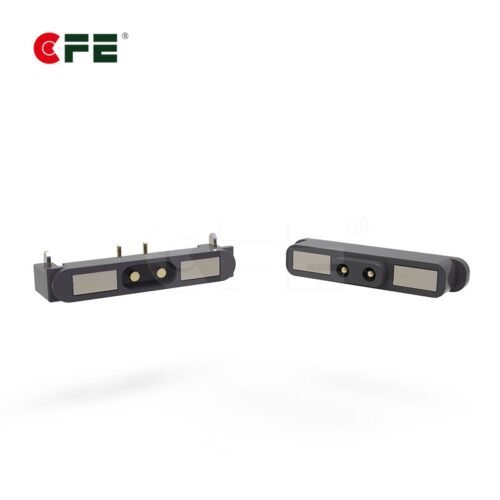
Magnetic connectors are charging interfaces that use magnets to align and attach a cable to a device. Instead of manually plugging in a connector, users simply bring the cable close to the port, and magnetic force snaps it into place.
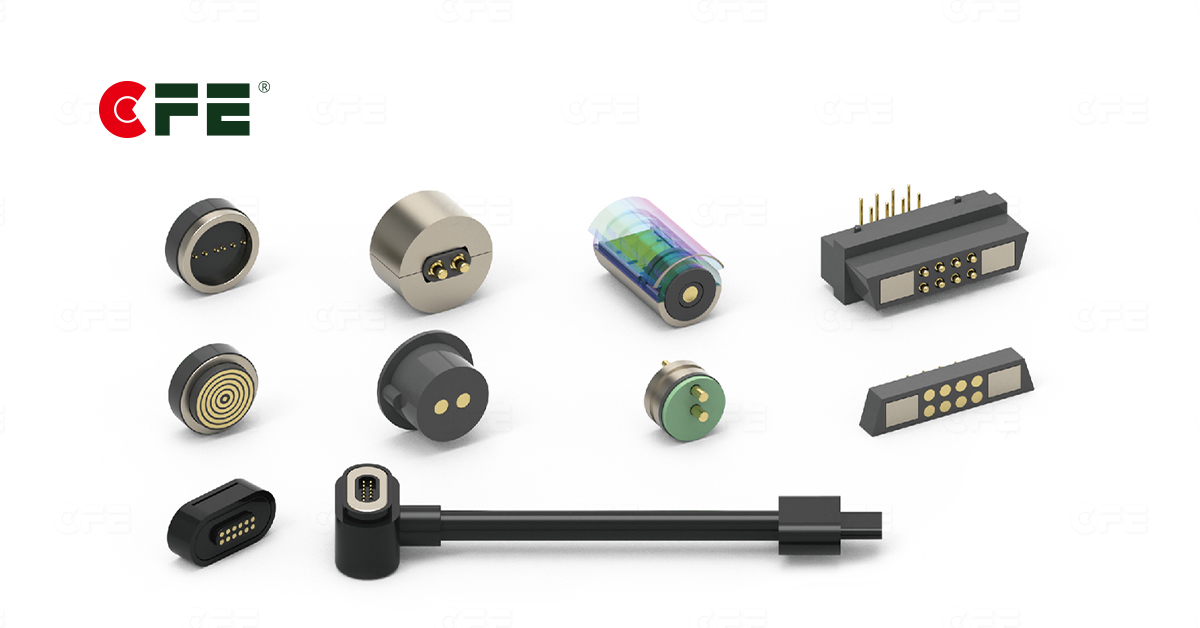
Examples include:
- Magnetic laptop chargers
- Magnetic smartphone charging adapters
- Magnetic industrial connectors
- Wearable device chargers
These connectors are designed to simplify the charging process while minimizing wear and tear on charging ports.
How Traditional Charging Ports Work
Traditional charging ports require the physical insertion of a plug into a device.
Common examples include:
USB-C
The most modern universal charging standard.
Micro-USB
Older Android devices commonly use this.
Lightning Port
Used in certain premium mobile devices.
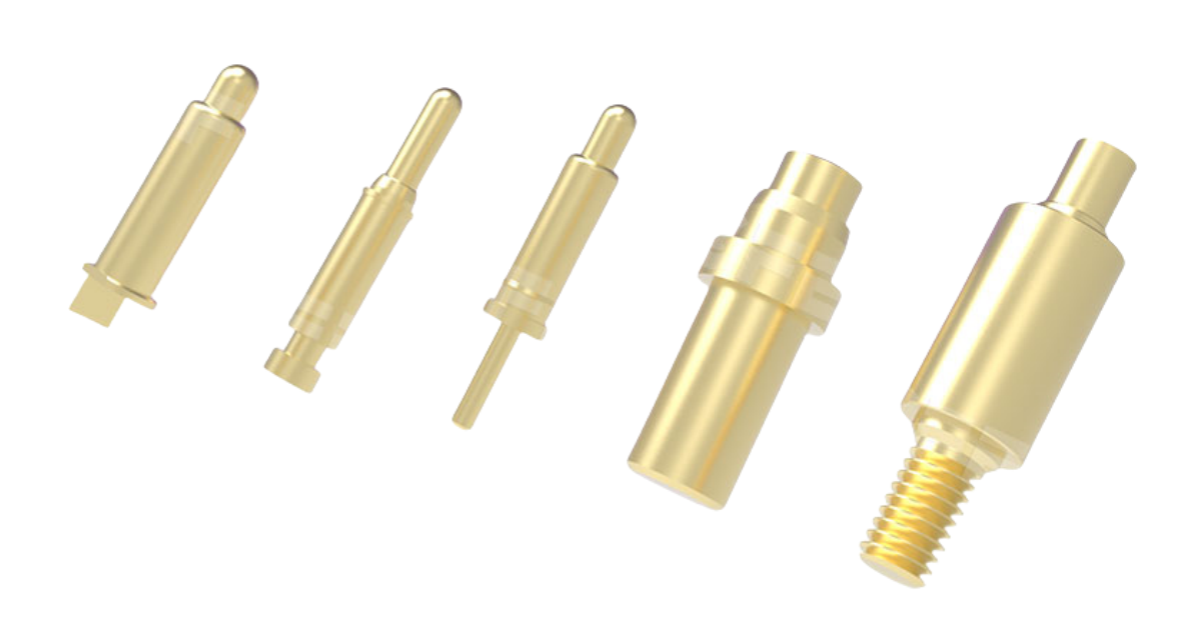
Traditional ports rely on metal contact pins inside a socket to establish electrical connections.
While highly reliable, repeated plugging and unplugging can cause:
- Port loosening
- Physical damage
- Dust accumulation
- Pin bending
This is where magnetic connectors offer a compelling alternative.
Advantages of Magnetic Connectors
Enhanced Convenience
One of the biggest benefits is ease of use.
Users no longer need to carefully align the connector. The magnet automatically guides the cable into position.
This is especially useful:
- At night
- While driving
- For elderly users
- For people with limited dexterity
The simple snap-on connection saves time and effort.
Reduced Wear and Tear
Traditional charging ports degrade over time.
Frequent plugging and unplugging cause mechanical stress that can damage internal pins.
Magnetic connectors solve this issue because:
- The magnetic tip often stays inserted
- Cable detaches without stressing the port
- Less friction extends device lifespan
This can significantly reduce repair costs.
Improved Safety
Magnetic connectors can prevent accidents.
If someone trips over a charging cable, the connector detaches instantly instead of pulling the device to the floor.
This feature protects:
- Smartphones
- Tablets
- Laptops
- Medical devices
It’s one reason magnetic charging has been popular in laptop ecosystems.
Water and Dust Resistance
Devices with fewer exposed openings are easier to seal.
Magnetic connectors support better protection against:
- Water ingress
- Dust accumulation
- Corrosion
This makes them ideal for rugged electronics and industrial applications.
Better User Experience
Magnetic charging feels premium.
The smooth snap-in action creates a satisfying user interaction that enhances product appeal.
Consumers increasingly value convenience-driven features.
Limitations of Magnetic Connectors
Despite their advantages, magnetic connectors still face several challenges.
1. Limited Standardization
Traditional charging ports benefit from universal standards.
USB-C is supported by major manufacturers worldwide.
Magnetic connectors lack this standardization.
Different brands use:
- Different pin layouts
- Different magnet strengths
- Different charging protocols
This creates compatibility issues.
2. Data Transfer Constraints
Many magnetic connectors focus solely on charging.
Traditional ports support:
- Fast data transfer
- Video output
- Peripheral connectivity
Replacing traditional ports requires magnetic connectors to match these capabilities.
This remains a technical challenge.
3. Potential Connection Interruptions
Magnets can detach if:
- The device moves suddenly
- The cable is bumped
- Alignment shifts
For stationary charging, this is acceptable.
For continuous data transfer, it may cause problems.
4. Higher Production Costs
Magnetic systems often require:
- Specialized components
- Precision engineering
- Additional manufacturing steps
This increases production expenses compared to standard ports.
5. Charging Speed Limitations
Some low-quality magnetic connectors do not support:
- High-wattage charging
- Fast charging protocols
- Stable power delivery
Traditional USB-C currently leads in charging performance.
Industries Adopting Magnetic Connectors
Magnetic connectors are already transforming multiple industries.
Consumer Electronics
Smartphones, tablets, and accessories.
Medical Devices
Easy-to-clean and reliable charging systems.
Automotive
Charging docks and embedded systems.
Industrial Equipment
Durable connectors for harsh environments.
Wearable Technology
Smartwatches and fitness devices.
Their adoption continues to expand.
Will Magnetic Connectors Replace USB-C?
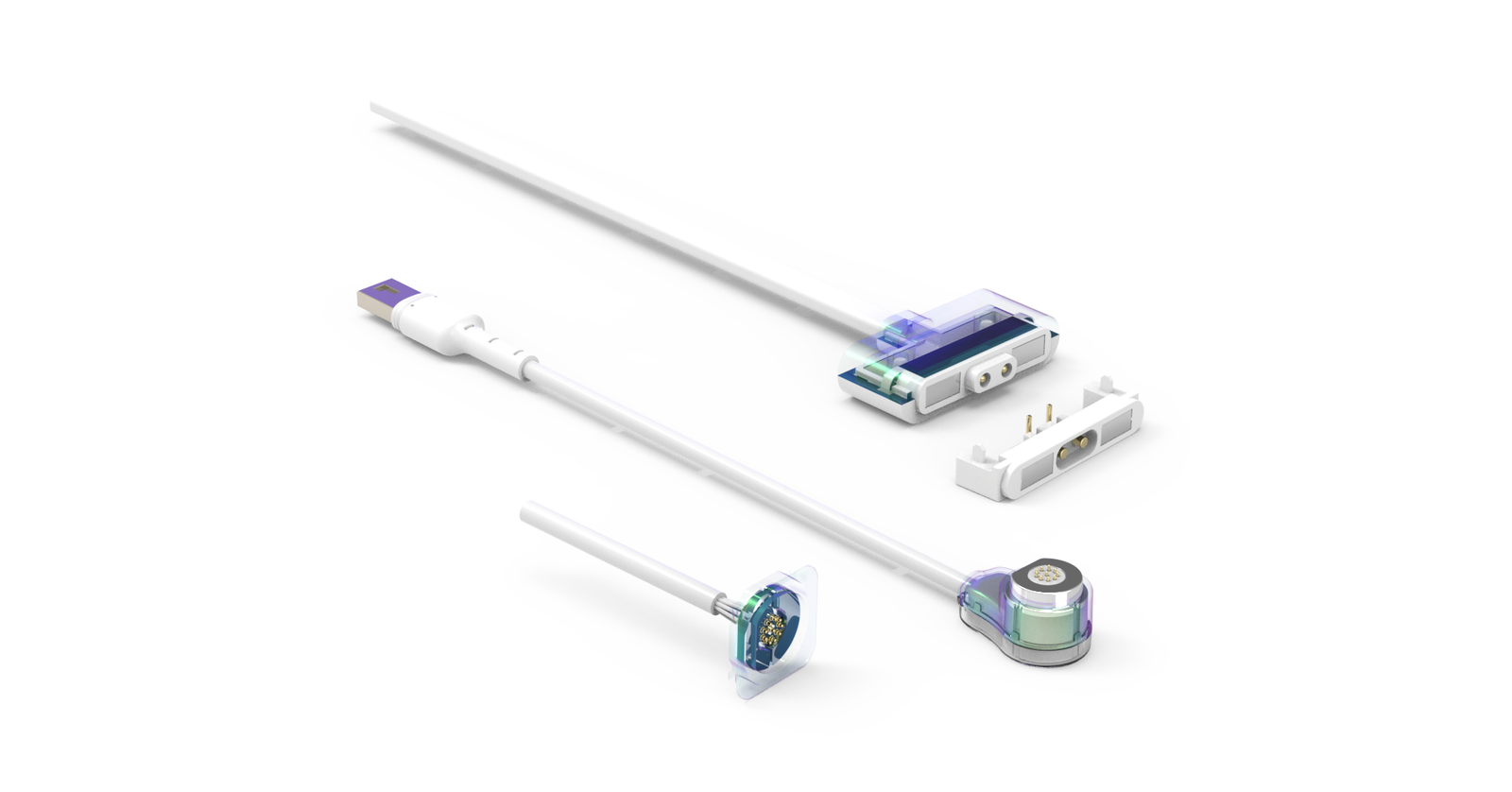
This is the key question.
The most realistic answer is:
Not entirely—at least not yet.
USB-C offers:
- Universal compatibility
- Extremely fast charging
- High-speed data transfer
- Established infrastructure
Magnetic connectors currently excel in convenience rather than technical superiority.
In the near future, hybrid systems may dominate.
Devices could feature:
- USB-C for high-performance tasks
- Magnetic connectors for everyday charging
This offers the best of both worlds.
The Future of Charging Technology
Several trends suggest magnetic connectors will grow in popularity:
Wireless Integration
Magnetic alignment improves wireless charging efficiency.
Smart Docking Systems
Automatic magnetic alignment for seamless connectivity.
Minimalist Device Design
Manufacturers seek fewer external openings.
Improved Magnetic Standards
Future standardization could accelerate adoption.
As technology advances, magnetic connectors may evolve beyond charging into universal connection systems.
Should Consumers Switch to Magnetic Connectors?
You should consider magnetic connectors if you value:
- Convenience
- Port longevity
- Safety
- Easy charging access
Traditional ports remain better if you need:
- Fast file transfers
- Universal compatibility
- Maximum charging speed
The right choice depends on your usage needs.
Conclusion
Magnetic connectors represent an exciting evolution in charging technology.
They offer significant advantages in convenience, durability, and safety. However, they still face challenges related to standardization, performance, and compatibility.
Rather than fully replacing traditional charging ports in the immediate future, magnetic connectors are more likely to complement existing systems.
As engineering advances and universal standards emerge, magnetic connectors could eventually become the new standard for device charging.
The future of charging may not be about choosing one over the other—it may be about combining the strengths of both.
FAQs
Are magnetic connectors safe for devices?
Yes, high-quality magnetic connectors are safe and designed with stable electrical connections.
Do magnetic chargers support fast charging?
Some premium models do, but not all magnetic connectors support fast charging.
Can magnetic connectors transfer data?
Certain advanced models support data transfer, though many are charging-only.
Are magnetic connectors better than USB-C?
They are more convenient but currently less versatile than USB-C.
Will smartphones switch entirely to magnetic charging?
It’s possible in the future, but widespread adoption depends on standardization.