 Introduction
In modern electronics and PCB design, connectors play a crucial role in ensuring reliable signal transmission and power delivery. Among the most commonly used connectors are pogo pins and header pins. While both serve the purpose of connecting components, they differ significantly in design, functionality, and applications.
At CFE, we specialize in high-quality connector solutions, and understanding the distinction between these two components can help engineers, designers, and buyers make informed decisions.
This comprehensive guide explores the differences between pogo pins and header pins, their features, advantages, disadvantages, and real-world applications.
What Are Pogo Pins?
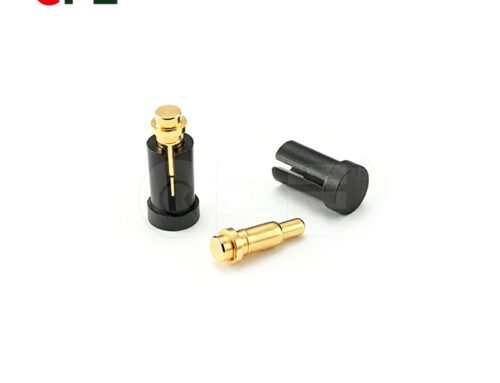
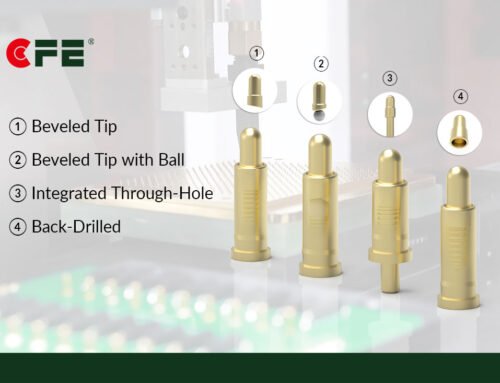
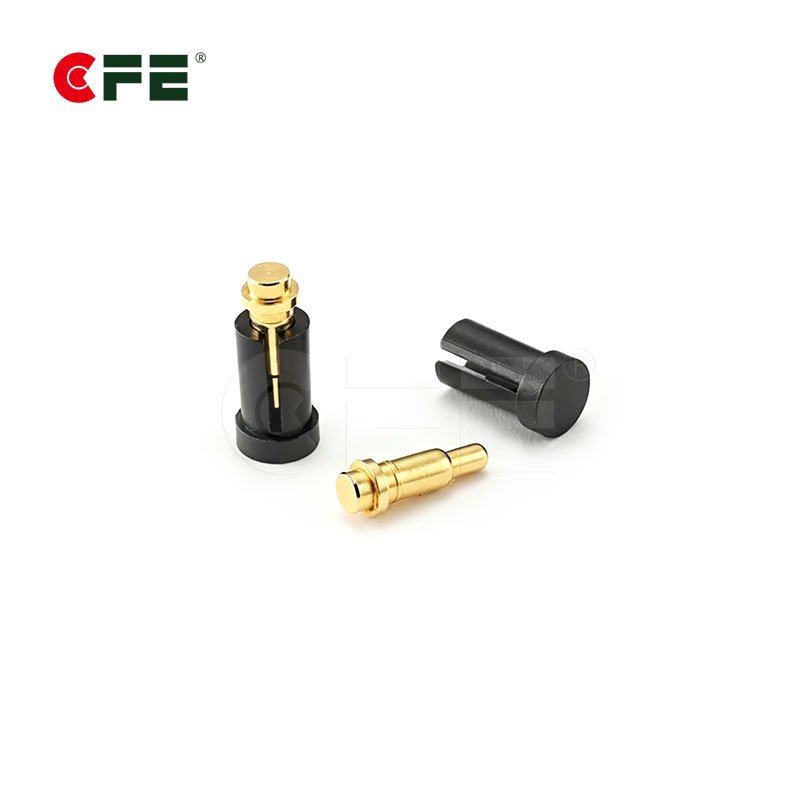
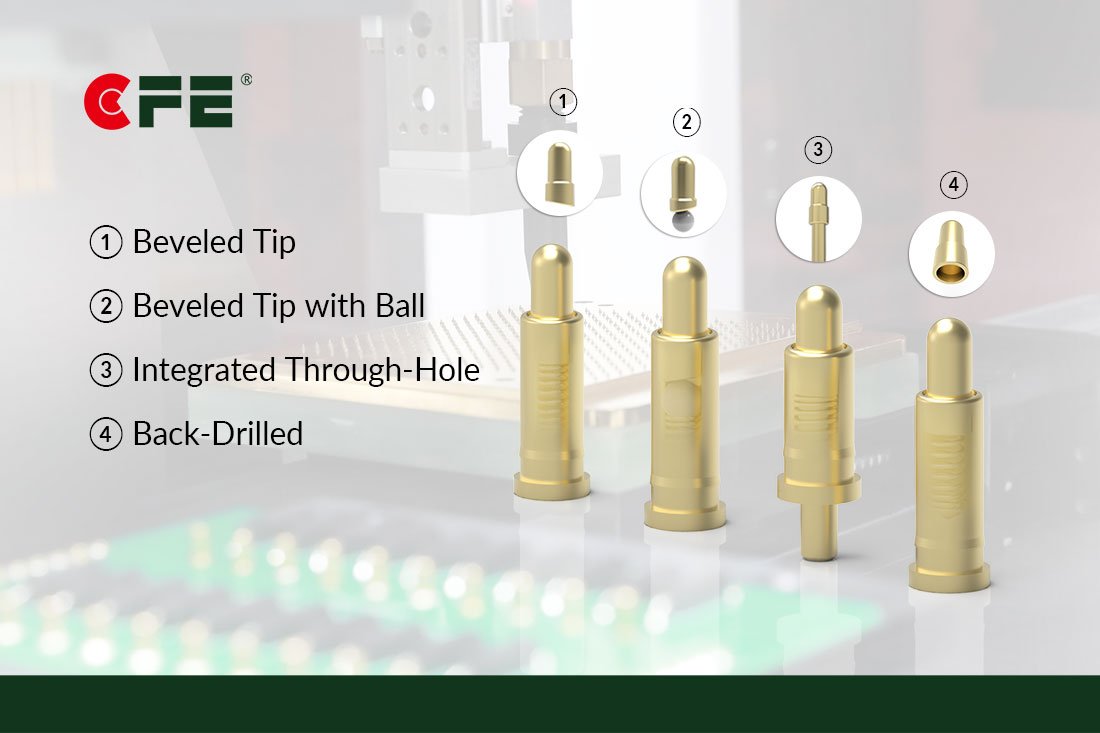
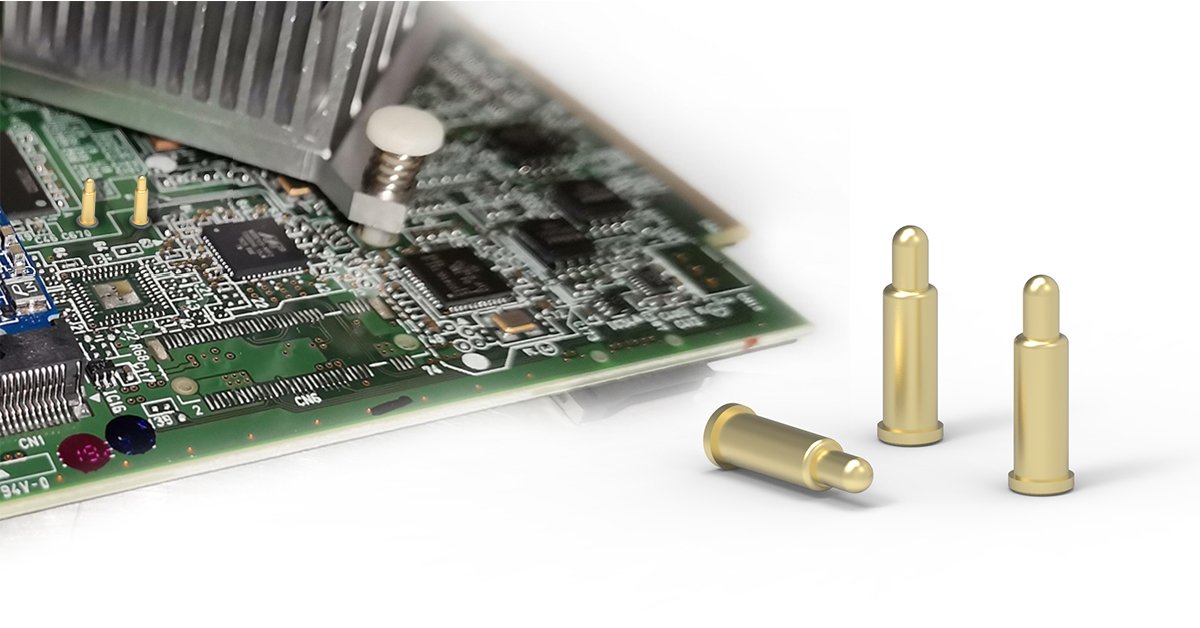
Pogo pins, also known as spring-loaded pins, are connectors designed with an internal spring mechanism that allows compression and expansion. This unique structure ensures consistent electrical contact even under movement or vibration.
Key Features of Pogo Pins:
- Spring-loaded mechanism
- Self-aligning capability
- High durability (thousands of cycles)
- Compact and precise design
- Reliable contact under pressure
Common Applications:
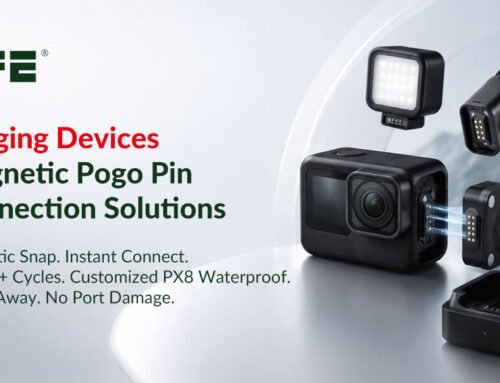
- Charging docks (smartphones, wearables)
- Medical devices
- Automotive electronics
- Test equipment (ICT, functional testing)
- Smart devices and IoT products
What Are Header Pins?
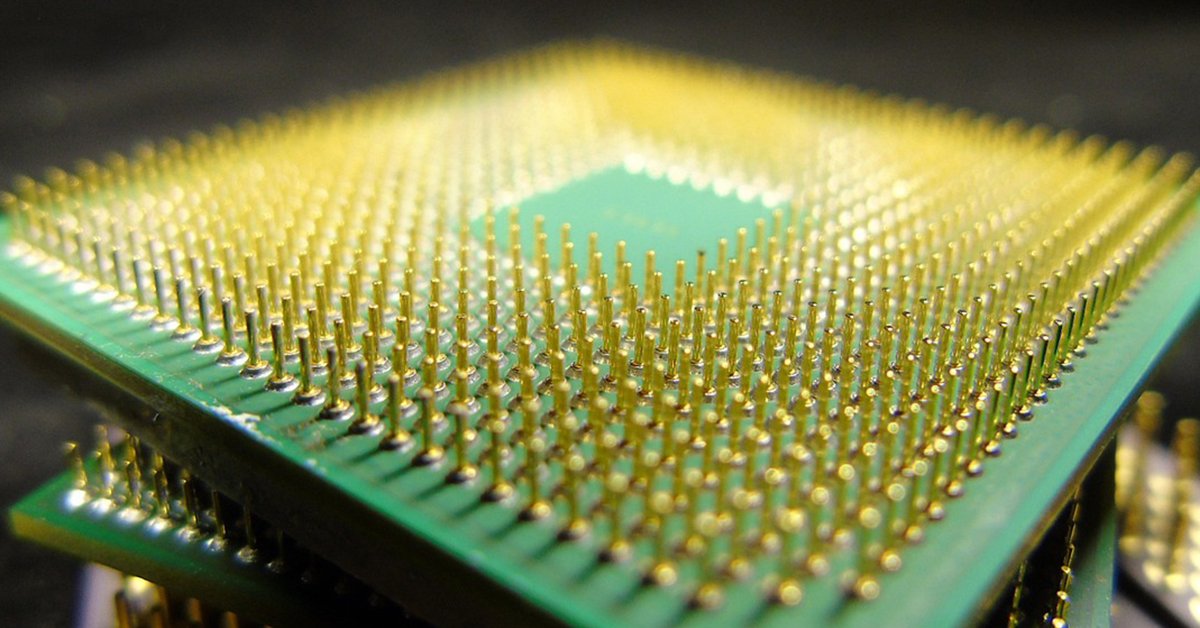
Header pins are simple, rigid connectors typically mounted on printed circuit boards (PCBs). They consist of metal pins arranged in rows and are often used with connectors like jumper wires or sockets.
Key Features of Header Pins:
- Fixed, non-moving structure
- Easy PCB mounting (through-hole or surface mount)
- Cost-effective solution
- Available in various pitches and configurations
- Widely used in prototyping
Common Applications:
- Arduino and microcontroller boards
- PCB-to-PCB connections
- Breadboards and prototyping
- Internal wiring connections
Key Differences Between Pogo Pins and Header Pins
1. Design and Structure
Pogo pins feature a spring-loaded design, allowing movement and flexibility. Header pins, on the other hand, are rigid and fixed.
2. Contact Mechanism
Pogo pins rely on spring pressure for contact, ensuring consistent connectivity even in dynamic environments. Header pins depend on physical insertion into sockets or connectors.
3. Durability
Pogo pins are built for repeated use and can withstand thousands of mating cycles. Header pins are less durable in comparison and are better suited for semi-permanent connections.
4. Application Flexibility
Pogo pins are ideal for temporary or movable connections, while header pins are better for stable, permanent setups.
5. Cost
Header pins are generally more affordable. Pogo pins, due to their complex design, are more expensive but offer superior performance.
6. Installation
Header pins are easy to solder onto PCBs. Pogo pins may require more precise integration and alignment.
Advantages of Pogo Pins
- Excellent for high-cycle applications
- Reliable contact in vibration-prone environments
- Space-saving and compact
- Low maintenance over time
- Ideal for modern electronic devices
Advantages of Header Pins
- Simple and cost-effective
- Easy to install and replace
- Widely available and standardized
- Perfect for prototyping and development
- Compatible with various connectors
Disadvantages of Pogo Pins
- Higher cost
- Complex design integration
- Requires precise alignment
- Not ideal for low-budget projects
Disadvantages of Header Pins
- Limited durability
- Not suitable for dynamic connections
- Can loosen over time
- Less reliable in harsh environments
When to Choose Pogo Pins?
Choose pogo pins if your project requires:
- Frequent connections and disconnections
- Compact design
- Reliable performance under vibration
- High-end or premium device integration
When to Choose Header Pins?
Header pins are suitable when:
- Budget is limited
- You need simple PCB connections
- Prototyping or testing is involved
- Permanent or semi-permanent connections are required
Why Choose CFE for Connector Solutions?
At CFEConn, we provide industry-leading connector solutions tailored to modern electronics. Whether you need precision-engineered pogo pins or reliable header pins, our products ensure:
- High-quality materials
- Custom design options
- Competitive pricing
- Reliable performance
We help businesses and engineers build efficient, durable, and innovative electronic systems.
FAQs
1. Are pogo pins better than header pins?
Pogo pins are better for dynamic and high-cycle applications, while header pins are ideal for simple and cost-effective connections.
2. Can pogo pins replace header pins?
Yes, in certain applications where flexibility and durability are required, pogo pins can replace header pins.
3. What is the lifespan of pogo pins?
Pogo pins can last tens of thousands of cycles depending on quality and usage.
4. Are header pins reusable?
Yes, but repeated use can reduce their effectiveness over time.
5. Which is cheaper: pogo pins or header pins?
Header pins are generally cheaper than pogo pins.
Conclusion
Understanding the difference between pogo pins and header pins is essential for selecting the right connector for your project. While pogo pins offer flexibility, durability, and high performance, header pins provide a simple, cost-effective solution for stable connections.
At CFEConn, we recommend choosing based on your project requirements, budget, and performance expectations. Investing in the right connector not only improves efficiency but also enhances the longevity of your electronic devices.