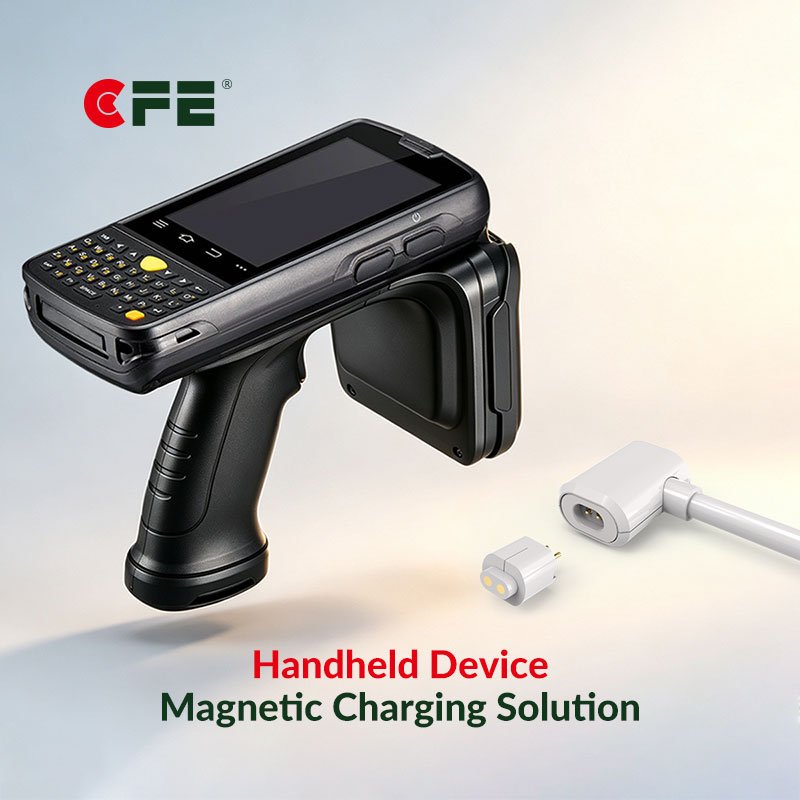
Magnetic connectors have transformed the way electronic devices connect and transfer power or data. From charging smartphones and powering industrial devices to enabling quick-connect solutions for medical equipment, magnetic connectors offer reliability, convenience, and safety.
However, choosing the right magnetic connector is not always straightforward.
There are dozens of connector types, specifications, designs, and technical requirements to evaluate before selecting the ideal option.
If you choose the wrong magnetic connector, you may experience poor performance, connection failures, overheating, weak magnetic hold, or compatibility issues.
This complete guide will walk you through everything you need to know about how to choose the right magnetic connector for your specific application.
What Is a Magnetic Connector?
A magnetic connector is an electrical connector that uses magnetic force to align and connect contacts between devices.
Unlike traditional plug-and-socket connectors, magnetic connectors snap into place automatically when brought close together.
They are commonly used in:
- Charging cables
- Medical equipment
- Industrial automation
- Wearable technology
- Consumer electronics
- Robotics
- Automotive systems
Their ability to disconnect safely under stress makes them highly reliable.
Why Choosing the Right Magnetic Connector Matters
Selecting the correct magnetic connector ensures:
Reliable Performance
Stable electrical contact ensures uninterrupted power and data transfer.
Longer Product Life
High-quality connectors reduce wear and tear.
Improved Safety
Magnetic breakaway designs prevent cable damage.
Better User Experience
Easy attachment and detachment improve convenience.
Environmental Protection
Proper sealing protects against moisture and dust.
Key Factors to Consider When Choosing a Magnetic Connector
1. Define Your Application Requirements
Before selecting a connector, determine where and how it will be used.
Ask yourself:
- Is it for charging?
- Will it transfer data?
- Is it for industrial automation?
- Does it require waterproofing?
- Will it be exposed to vibration?
Different applications require different connector designs.
For example:
Consumer Electronics
Require compact, lightweight connectors.
Industrial Equipment
Need rugged and durable connectors.
Medical Devices
Demand precision and reliability.
2. Check Current and Voltage Ratings
Electrical ratings are among the most important specifications.
Current Rating
Indicates how much electrical current the connector can safely handle.
Examples:
- Smartphone charging: 2A–5A
- Laptops: 5A–10A
- Industrial devices: 10A+
Voltage Rating
Specifies the maximum voltage the connector can support.
Always choose connectors with ratings exceeding your device requirements.
Underrated connectors can overheat and fail.
3. Evaluate Magnetic Strength
Magnetic holding force determines connection stability.
Too weak:
- Frequent accidental disconnects
Too strong:
- Difficult detachment
The ideal magnetic force depends on the application.
Recommended Magnetic Strength
Wearables: Light hold
Charging Cables: Medium hold
Industrial Systems: Stronghold
Balance usability with reliability.
4. Consider Number of Pins
Magnetic connectors come in different pin configurations.
Common options include:
2-Pin Connectors
Used for simple power transfer.
Best for:
- Charging docks
- LED devices
- Basic power applications
4-Pin Connectors
Support power and basic data transfer.
Best for:
- Tablets
- Accessories
- Portable electronics
6-Pin or Higher
Used for advanced data and power applications.
Best for:
- Industrial automation
- Robotics
- Specialized electronics
Choose only the number of pins needed.
5. Data Transfer Requirements
Not all magnetic connectors support high-speed data transfer.
If your application needs data communication, verify:
- USB compatibility
- Transfer speed
- Signal integrity
- EMI shielding
Applications requiring fast data transfer include:
- External storage devices
- Medical diagnostics
- Industrial sensors
6. Durability and Cycle Life
Cycle life refers to how many connection/disconnection cycles the connector can handle.
Typical ratings:
- Basic connectors: 5,000 cycles
- Mid-grade connectors: 10,000 cycles
- Premium industrial connectors: 50,000+ cycles
For frequently connected devices, choose high-cycle connectors.
This ensures long-term reliability.
7. Environmental Protection
Will the connector operate in harsh conditions?
Consider:
Waterproofing
Look for IP ratings.
Examples:
- IP67: Dust-tight and water-resistant
- IP68: Waterproof
Dust Resistance
Important for outdoor and industrial use.
Temperature Tolerance
Ensure performance in extreme environments.
Corrosion Resistance
Gold-plated contacts improve resistance.
8. Contact Material and Plating
Connector materials directly impact performance.
Gold-Plated Contacts
Advantages:
- Better conductivity
- Corrosion resistance
- Longer lifespan
Nickel-Plated Contacts
Advantages:
- Affordable
- Decent durability
For mission-critical systems, gold-plated contacts are ideal.
9. Alignment Accuracy
A good magnetic connector should self-align easily.
Poor alignment causes:
- Weak electrical contact
- Intermittent power
- Connection failures
Choose connectors with precision-guided alignment features.
10. Mechanical Design
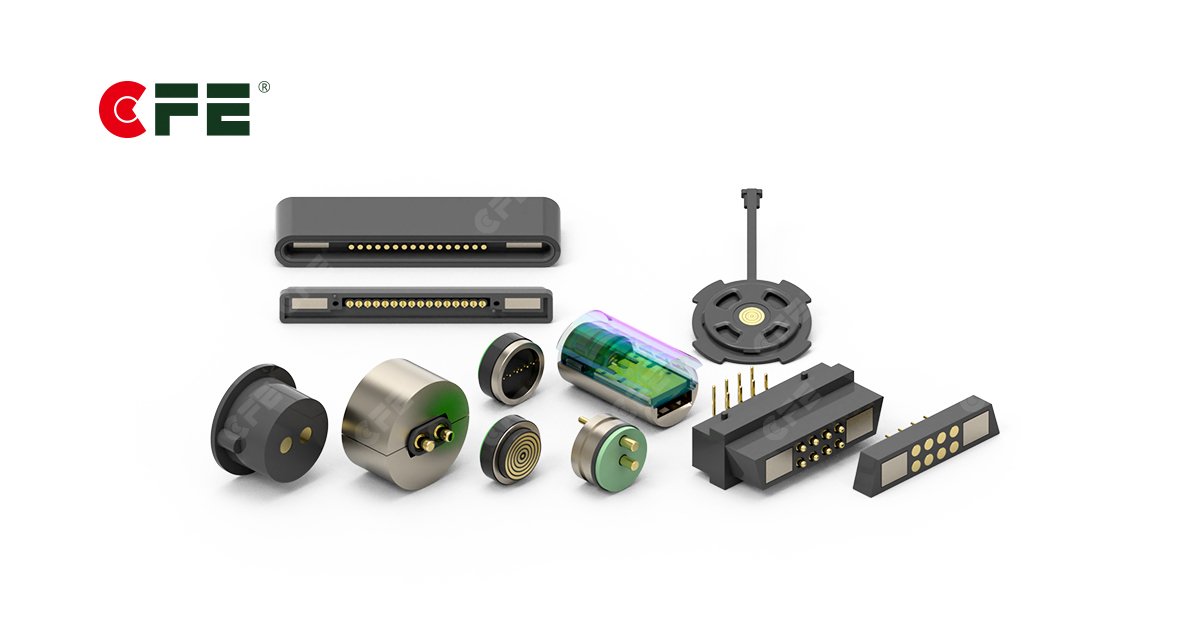
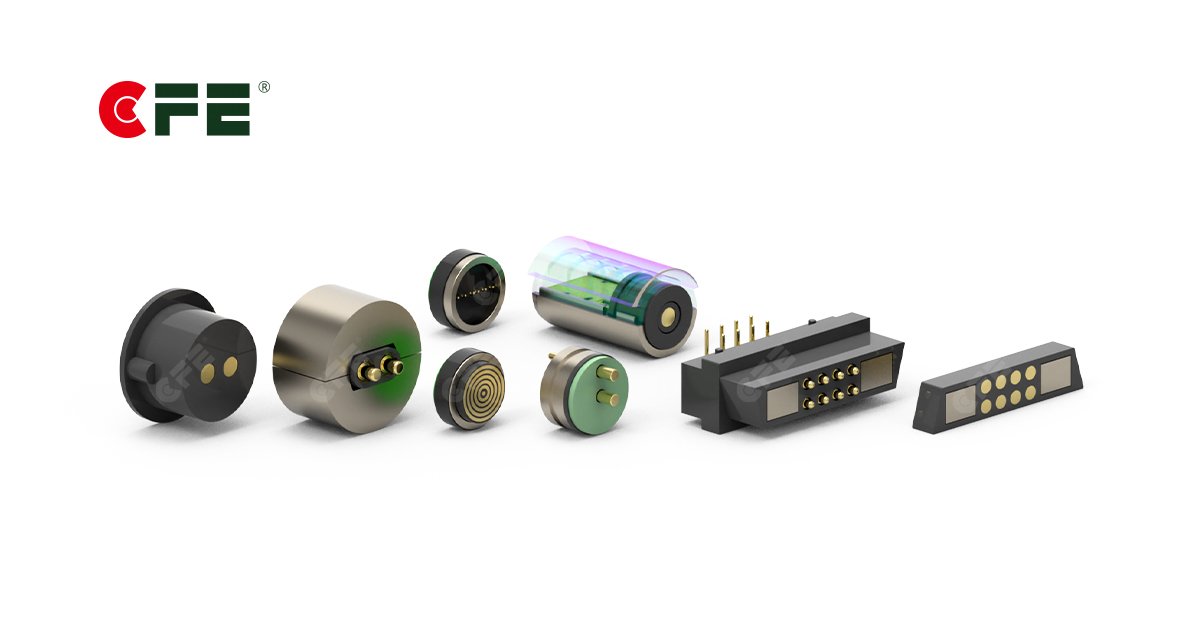
Magnetic connectors come in several designs.
Circular Connectors
Best for rugged applications.
Flat Connectors
Ideal for slim electronics.
Custom Magnetic Connectors
Designed for unique product requirements.
Choose a form factor compatible with your device.
Common Mistakes to Avoid
When choosing a magnetic connector, avoid:
Ignoring Current Ratings
Can cause overheating.
Choosing Cheap Low-Quality Options
Leads to failures.
Overlooking Waterproofing
Causes damage in harsh environments.
Ignoring Compatibility
May not fit device design.
Prioritizing Price Over Performance
Short-term savings often lead to higher replacement costs.
Best Applications for Magnetic Connectors
Magnetic connectors excel in:
Consumer Electronics
Fast charging and easy usability.
Medical Equipment
Quick, secure connections.
Industrial Machinery
Reliable under vibration.
Automotive Charging
Convenient power transfer.
Smart Wearables
Compact and safe.
How to Test Before Final Selection
Before mass implementation:
Prototype Testing
Evaluate fit and function.
Load Testing
Verify current capacity.
Durability Testing
Check repeated connection cycles.
Environmental Testing
Exposure to real-world conditions.
Testing prevents costly redesigns.
Future Trends in Magnetic Connector Technology
The industry is evolving rapidly.
Emerging trends include:
- Faster charging support
- Smaller connector sizes
- Improved waterproofing
- Smart magnetic detection
- Enhanced data transfer speeds
Selecting future-ready connectors protects your investment.
FAQs
What is the best magnetic connector for charging?
A 2-pin or 4-pin magnetic connector with 5A current support is ideal for charging applications.
Are magnetic connectors reliable?
Yes, high-quality magnetic connectors are highly reliable and durable.
Can magnetic connectors transfer data?
Yes, many 4-pin and 6-pin magnetic connectors support data transfer.
Are magnetic connectors waterproof?
Some are. Look for IP67 or IP68-rated connectors.
How long do magnetic connectors last?
Premium connectors can exceed 50,000 connection cycles.
Conclusion
Choosing the right magnetic connector requires careful evaluation of your application, electrical needs, durability requirements, environmental conditions, and connector design.
The best magnetic connector is not simply the cheapest or strongest option.
It is the connector that perfectly matches your specific performance requirements.
By considering current rating, pin count, cycle life, magnetic strength, and environmental resistance, you can select a connector that delivers long-term reliability and exceptional performance.
Investing time in selecting the right magnetic connector ensures better efficiency, safety, and product longevity.