True wireless stereo (TWS) earbuds, smartwatches, fitness bands and smart rings all share one stubborn engineering problem: how do you charge, and sometimes communicate with, a device that is tiny, exposed to sweat and dropped on a regular basis? A conventional USB port is too large and creates a leak path. That is why product teams increasingly specify pogo pin connectors: compact, spring-loaded contacts that deliver a dependable electrical connection without a plug, a latch or a visible port.
This guide covers the design considerations that matter most when specifying pogo pins for TWS earbuds and wearables. From size and spring force to plating, sealing and cycle life, understanding these factors early helps you avoid the most common field failures before tooling begins.

Why Pogo Pin Connectors Suit TWS Earbuds and Wearables
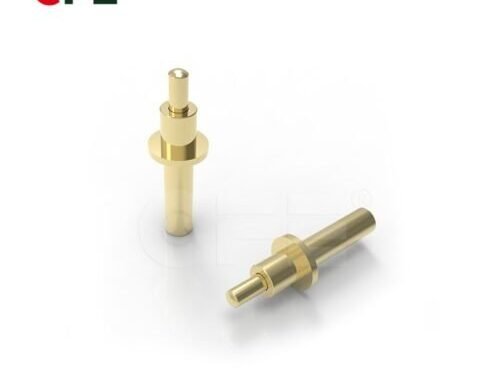
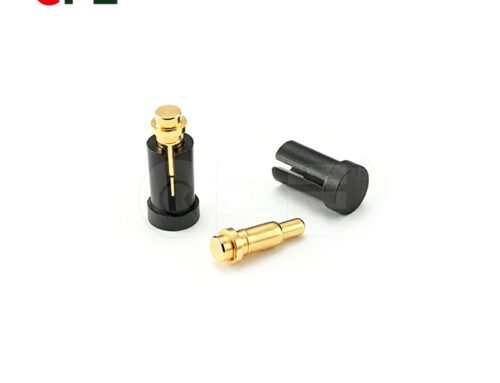
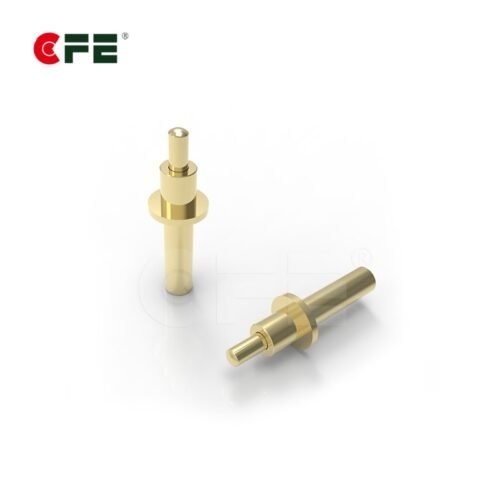
A pogo pin is a spring-loaded electrical contact. An internal helical spring pushes the plunger against a mating pad and holds steady pressure, which keeps the connection stable even when the device shifts slightly or vibrates. For compact consumer electronics, that behavior brings several practical advantages:
- Small footprint: miniature pins fit inside earbud stems and slim watch cases where a receptacle-style connector cannot.
- Blind-mate charging: the device drops into a cradle or case and the pins meet the pads, with no precise plugging action from the user.
- Sealed enclosures: with no open port, designers can build a cleaner enclosure and simplify ingress protection.
- Durability: there is no plug to bend or snap, and the spring compensates for small alignment errors.
- Design freedom: contacts can sit on the side, bottom or back of a device, which supports distinctive industrial design.
- Manufacturing fit: many pogo pins are available in SMT versions that reflow with the rest of the board.
Key Design Considerations for Pogo Pins in TWS Earbuds and Wearables
1. Size, Pitch and Working Height
Space is the first constraint. Earbud stems, smart ring bands and slim watch backs leave very little room, so pin diameter, overall length and pitch (the distance between adjacent pins) must be chosen together with the battery, PCB and enclosure. Working height, the compressed height at which the pin is designed to operate, deserves special attention. Too little travel leaves no tolerance for misalignment, while too much wastes precious millimetres. Define the mechanical stack-up first, then select a pin whose working height sits comfortably in the middle of its stroke.
2. Spring Force and Magnetic Alignment
Spring force sets contact pressure. A low force reduces wear and eases insertion, but it can raise contact resistance or cause an intermittent connection. Higher force improves stability but can push an earbud out of its seat or strain the housing. In most TWS designs, magnets hold the earbud in place, so the magnetic holding force must comfortably exceed the combined spring force of all pins across the full tolerance range. Test the assembly with real parts, not only on paper.
3. Current Rating and Contact Resistance
Earbuds draw modest charging current, while smartwatches and other wearables with larger batteries may need more, particularly with fast charging. Choose a pin rated well above your peak current, and check contact resistance at the working height and under real contact force. Even a small resistance adds heat and voltage drop, and it tends to rise as contacts age. If your roadmap points toward faster charging, specifying a higher-rated pin now avoids a redesign later. For higher-power applications, CFEConn also offers high-current spring-loaded designs.

4. Plating and Material Selection
Gold plating over a nickel underlayer is the common choice for low, stable contact resistance and corrosion protection. Plating thickness and hardness influence both conductivity and wear life, so match them to your mating-cycle target. The barrel and plunger are typically made from copper alloys such as brass, and the spring from stainless steel or spring wire. Pay close attention to the mating pad as well. A soft or thin pad finish will wear faster than the pin, and that wear shows up as unreliable charging.
5. Waterproofing and Sweat Resistance
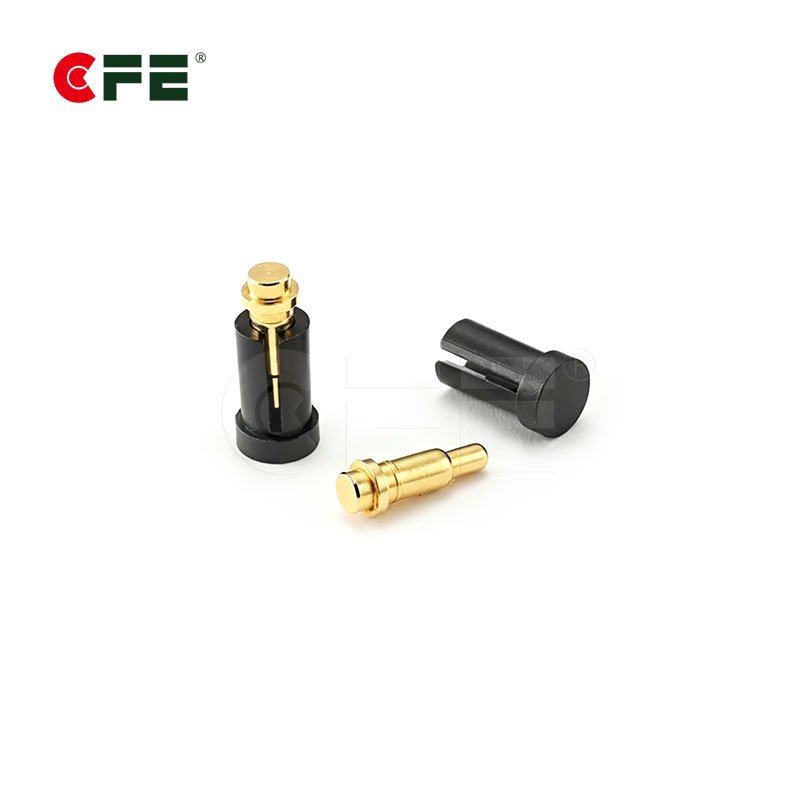
Wearables live in a hostile environment. Sweat is salty and mildly acidic, and it can corrode contacts, especially when a device is charged while still damp. Standard pogo pins do not seal on their own, so waterproof designs use sealed plunger constructions, gaskets or overmoulding to keep moisture out of the device. Remember that ingress protection is rated at the finished-product level, so the pin, the seal and the housing must be designed as one system. If your product needs to be water and dust resistant, look at purpose-built waterproof spring-loaded pins rather than retrofitting a seal around a standard pin.
6. Mounting Style and Manufacturability
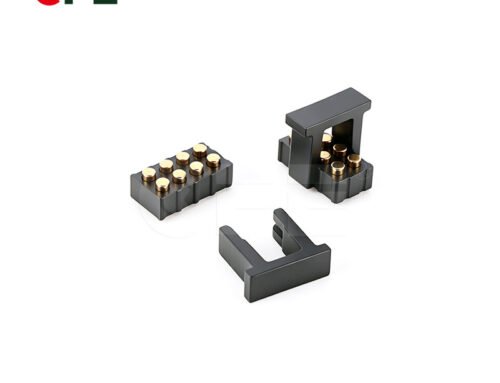
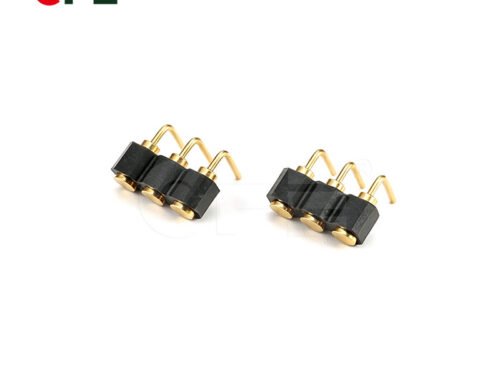
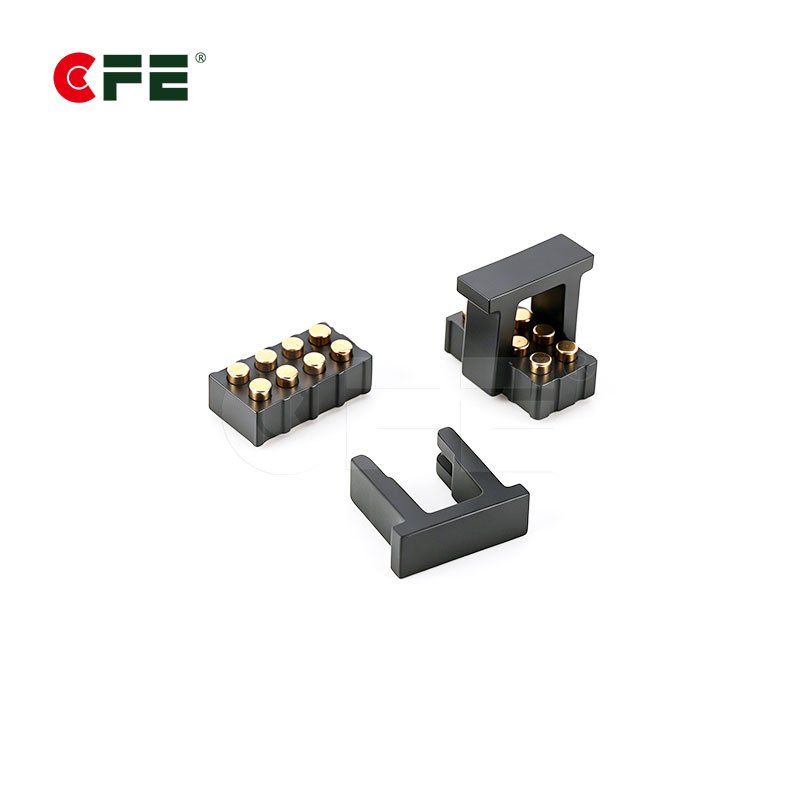
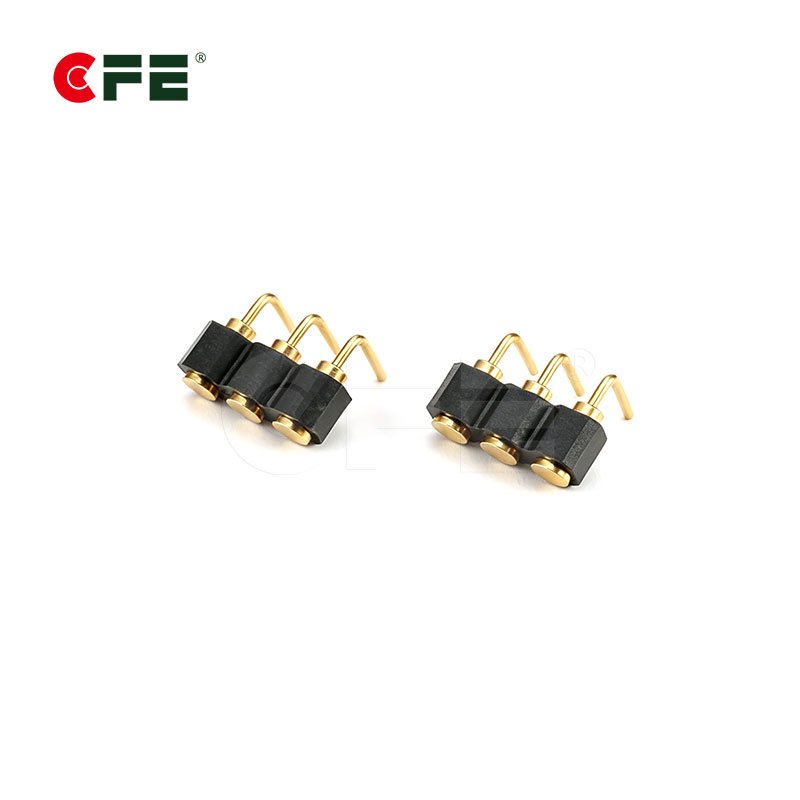
Pogo pins come in SMT, through-hole, wire-lead and right-angle (side-entry) styles. SMT versions suit automated assembly and reflow soldering, but they need good coplanarity and enough pad area to resist the spring force. Side-entry pins allow contacts on the edge of a thin device. Discuss tape-and-reel packaging and reflow profile compatibility with your supplier at the start, since both directly affect yield and cost.
7. Cycle Life and Durability
A user might place earbuds in their case ten times a day, which is roughly 3,650 cycles a year and more than 10,000 over three years. Define the life target from realistic usage, then add a safety margin. Cycle life depends on plating, spring design, contact force and the cleanliness of the environment, so validate it on the final assembly rather than relying on a datasheet number alone.
8. Tolerance Stack-Up and Target Pad Design
Every tolerance in the assembly, from the PCB and housing to the magnet and charging case, adds up. Design the mating pad so the pin still lands on it at worst-case misalignment. Consider a slightly larger pad, a rounded pin tip or a small wiping motion that helps break through light surface films. A well-designed pad often matters as much as the pin itself.
Typical Pogo Pin Priorities by Device Type
Requirements shift from one product category to the next. The table below summarises common priorities, though your own specification should always come from testing.
| Device | Typical Contact Setup | Main Design Priority |
|---|---|---|
| TWS earbuds | 2 to 4 pins (power, ground, optional data) | Miniaturisation and sweat resistance |
| Smartwatches and fitness bands | 2 to 4 pins | Charging current and waterproofing |
| Smart rings | 2 pins | Ultra-low profile and small footprint |
| Hearing aids and health wearables | 2 to 4 pins | Corrosion resistance and long-term reliability |
| Smart glasses | 2 to 6 pins | Charging plus data and secure alignment |

Testing and Validation Checklist
Datasheets are a starting point, not a guarantee. Before you release a design, validate the complete assembly with the following tests:
- Contact resistance drift: measure at the start, and again after a defined number of mating cycles.
- Artificial sweat and salt spray exposure: check plating and pad corrosion, ideally with the device powered.
- Thermal cycling and humidity: confirm that spring force and sealing hold across the operating range.
- Drop and vibration: make sure the connection survives everyday handling without intermittent loss.
- Mating force and alignment: verify that magnet strength, spring force and tolerances work together in production units.
- Ingress protection testing: test the finished product, not just the connector.
Working With a Pogo Pin Manufacturer
The right supplier shortens development and reduces risk. CFEConn is a manufacturer of pogo pin and magnetic connectors, with standard and custom spring-loaded designs, waterproof options and high-current variants. You can explore the range on the CFEConn pogo pin connectors page or visit the CFEConn homepage for the wider product line.
To get an accurate recommendation quickly, prepare these details before you make contact:
- Available envelope, including height, diameter and PCB space
- Pin count, pitch and mounting style (SMT, through-hole or side-entry)
- Peak and continuous current, plus any data lines
- Waterproofing and sweat-exposure targets
- Expected mating cycles and product lifetime
- Plating preference and sample quantities

Frequently Asked Questions (FAQs)
What is a pogo pin connector?
A pogo pin connector uses a spring-loaded plunger inside a small barrel to press against a mating pad. The spring keeps constant contact pressure, so the connection stays stable during movement and vibration. It is widely used for charging and data in compact electronics.
How many pogo pins does a TWS earbud charging case need?
Most designs use two pins per earbud for power and ground. Some add a third or fourth pin for data, detection or communication with the case. The final number depends on your charging architecture and firmware.
Are pogo pins waterproof?
Standard pogo pins are not waterproof by themselves. Waterproof versions use sealed constructions, gaskets or overmoulding to block moisture. Since ingress protection is rated on the finished product, the whole assembly needs to be tested.
What plating is best for wearable pogo pins?
Gold over nickel is the most common choice because it offers low contact resistance and good corrosion protection. The right thickness depends on your cycle-life target, current level and exposure to sweat. Your supplier can help you balance cost and durability.
How many mating cycles should a pogo pin last in earbuds?
Base the target on real usage. If an earbud is docked about ten times a day, that is around 3,650 cycles a year. Add a safety margin and confirm the result with life testing on your own assembly.
Can pogo pin connectors be customised for wearables?
Yes. Pin height, spring force, diameter, pitch, plating and mounting style can all be tailored to fit a specific product. Share your mechanical and electrical requirements with the manufacturer early for the best result.
Conclusion
Pogo pin connectors give TWS earbuds and wearables a slim, sealed and durable way to charge and communicate. Getting the details right, including working height, spring force, current rating, plating, waterproofing and tolerance stack-up, is what separates a reliable product from one that suffers intermittent charging in the field. Validate early with real assemblies, and involve your connector supplier from the start.
Ready to specify the right contacts for your next earbud or wearable? Explore the full range of pogo pin connectors from CFEConn and talk to the team about a custom solution.