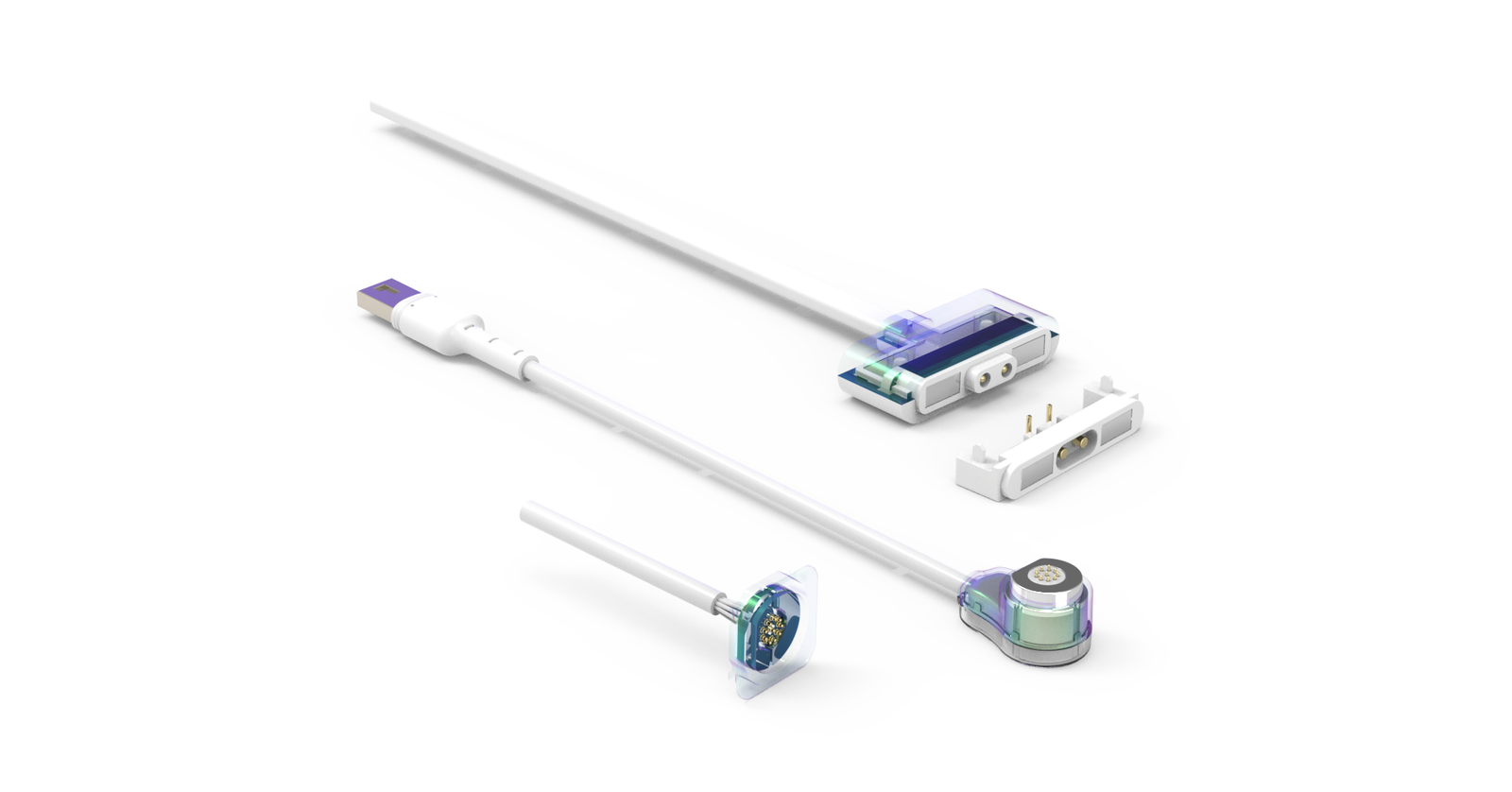
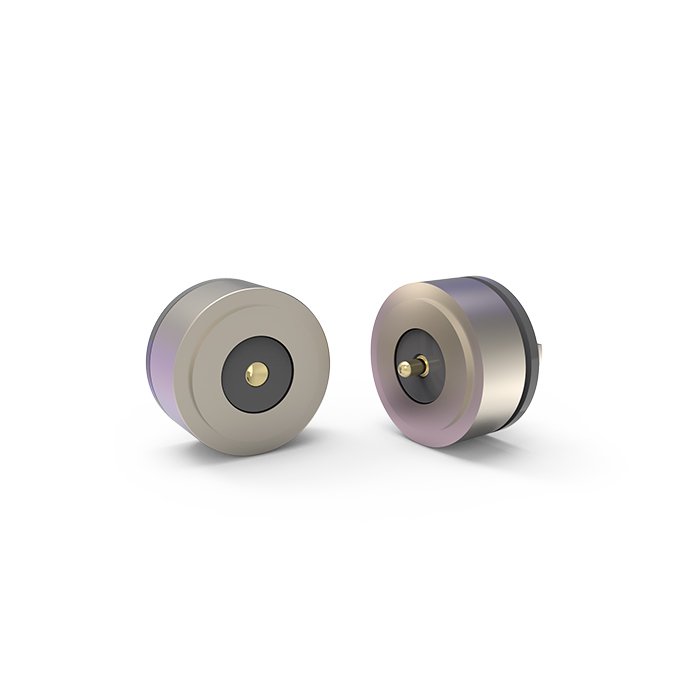
Every connected device depends on a supply chain with no weak links, and one small part often decides whether it holds: the spring-loaded connector, better known as a pogo pin. This guide explains how the electronics supply chain works and how to source spring-loaded connectors reliably.
- Small components like pogo pins can stall entire product lines when they fail.
- Judge suppliers on tolerance control, certifications, and testing support, not price alone.
- Test samples in real operating conditions and confirm supply chain resilience before committing.
What Is the Electronics Supply Chain?
It is the network of processes, suppliers, and logistics that turns raw materials into working electronic products. Each stage carries risk: a brass shortage, a factory delay, or a failed inspection can ripple downstream and delay a launch, so even small components deserve the same scrutiny as major chipsets.
Why Spring-Loaded Connectors Matter
A pogo pin combines a barrel, a plunger, and an internal spring. Compressed, the spring keeps constant contact pressure, so power, data, or signals flow reliably under vibration, movement, and repeated mating cycles. Their small footprint and durability make them essential in:
- Smartwatches & smart rings
- TWS earbud cases
- POS terminals
- AI glasses
- Robotics
- Medical & industrial tools

These applications demand thousands of mating cycles, moisture resistance, and stable low-resistance contact. A poorly sourced connector, even one that looks identical on a datasheet, can cause intermittent connections, corrosion, or premature wear that is hard to diagnose after shipping. Browse CFE Connector’s pogo pin connector product line to see how these design variables translate into real part specifications.
6 Key Stages of Reliable Component Sourcing
Define requirements early
Lock down current rating, working height, stroke length, contact resistance, and mating cycle life before contacting suppliers.
Vet capability, not just price
Ask about in-house tooling, plating (gold vs. nickel), and support for SMT, DIP, right-angle, and solder cup styles.
Confirm certifications
Ask for proof of recognized quality and environmental compliance, especially for automotive, medical, or industrial use.
Test real-world samples
Validate samples under the vibration, temperature, and humidity your product will actually face.
Check supply resilience
Review lead times, minimum order quantities, and redundant capacity. One production line is a single point of failure.
Build a long-term partnership
Choose a manufacturer that supports you from prototype to mass production to avoid last-minute requalification.
Mounting style is one of the first decisions to lock in. SMT, DIP, right-angle, and solder cup options each suit different assembly processes, so confirm your supplier supports the one your line requires.

Common Challenges When Sourcing Pogo Pins
- Inconsistent plating quality raises contact resistance over time
- Spring force variance between batches affects mating reliability
- Limited customization from catalog-only suppliers
- Long lead times for non-standard designs
- Weak environmental protection for outdoor, wearable, or waterproof use
Working with a manufacturer that controls its own tooling and production reduces these risks, because design changes and quality checks stay in-house instead of passing through intermediaries.

What to Look for in a Pogo Pin Supplier
- Broad mounting styles (SMT, DIP, solder cup, right-angle) plus custom design capability
- High-current options up to 30A
- Waterproof and dust-resistant variants
- Documented certifications and traceable quality control
- Responsive engineering support for custom designs
- Proven experience across consumer, medical, automotive, and industrial markets
CFE Connector’s spring-loaded connector solutions address these requirements with standard and fully custom designs made under controlled, certified processes.

Real-World Applications Driving Demand
Wearables
Daily charging cycles that must survive years of repeated docking.
TWS Earbuds
Tiny, precisely placed pins make reliable contact every time.
POS Terminals
Built for constant handling and frequent docking in retail.
Robotics
Stable contact despite continuous motion and vibration.
AI Glasses
Ultra-compact, low-profile charging and data transfer.
Each use case shows why “good enough” sourcing is not enough: the connector must perform flawlessly, cycle after cycle, in the exact environment the product will live in.

Certification and Quality Assurance
A trustworthy supplier can show its work: documented material sourcing, plating thickness, spring force testing, and environmental ratings, backed by certifications that meet recognized benchmarks, similar to the guidelines set by IPC. Ask for this documentation upfront, not after a failure occurs.

Source Spring-Loaded Connectors with Confidence
CFE Connector focuses on spring-loaded connector design and manufacturing, with a full range of mounting styles, current ratings, and waterproof options for prototyping through full-scale production.
Frequently Asked Questions
What is a spring-loaded connector used for?
Spring-loaded connectors (pogo pins) create reliable electrical connections in compact spaces, commonly for charging, data transfer, and signal transmission in wearables, earbuds, POS devices, and industrial equipment.
How do I know if a pogo pin supplier is reliable?
Look for documented quality certifications, in-house manufacturing and tooling capability, sample testing support, and a track record across multiple industries rather than a single niche application.
Can spring-loaded connectors handle high current applications?
Yes. Specialized high-current pogo pin designs can support ratings up to 30A, making them suitable for power delivery in industrial and high-drain consumer devices.
Are spring-loaded connectors customizable?
Most reputable manufacturers offer both standard catalog parts and fully custom designs, adjusting pin size, spring force, plating, and mounting style to match specific product requirements.
Why does the electronics supply chain matter for small components like connectors?
Even small components can become a bottleneck. A delay or quality issue with a single connector type can stall an entire production run, so reliable sourcing matters as much for small parts as for major ones.
Conclusion
The electronics supply chain is only as strong as its weakest link, and for many devices that link is a component as small as a spring-loaded connector. Knowing how sourcing works, what to demand from a manufacturer, and why certification and testing matter helps engineers and procurement teams avoid costly delays. To start building a resilient supply chain, explore CFE Connector’s pogo pin connector range.