How to Choose a 2-Pin DC Connector
Need a secure and long-lasting way to deliver power to your devices?
A 2-pin DC power connector offers a compact and efficient solution.
In this guide, you’ll learn exactly what these connectors are, where they’re used, and how to choose the best one for your application.
Whether you’re building a custom electronic project or upgrading an industrial power system, this article has you covered.
What Is a 2-Pin DC Power Connector?
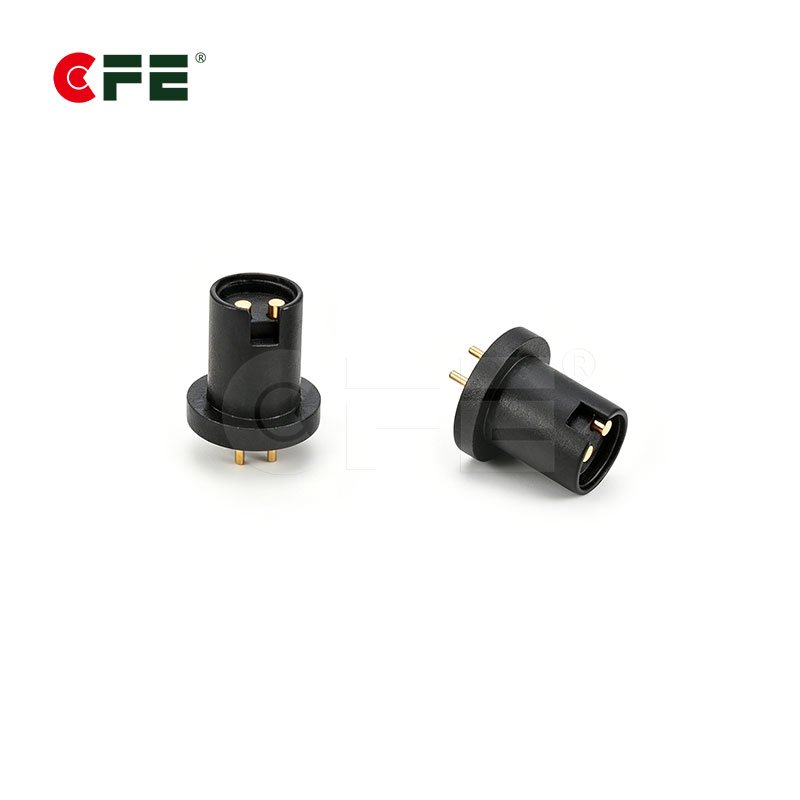
A 2-pin DC power connector is a simple plug-and-socket interface used to transmit direct current (DC) electricity between two devices.

These connectors feature:
-
Two terminals: one positive, one negative
-
A housing that protects the pins
-
A secure locking mechanism or friction-fit
They are widely used in electronics, CCTV cameras, LED lighting systems, and more.
Thanks to their straightforward design, 2-pin connectors are easy to install and replace.
Their popularity stems from their efficiency, compact size, and versatility in low-voltage DC circuits.
If you’re working with equipment that operates under 48V, a 2-pin DC connector is likely involved.
Key Features to Look For in a 2-Pin DC Connector
Voltage & Current Rating
Always match your connector’s ratings with your device requirements.
If your device runs on 12V or 24V with 2A or more, choose a connector rated above that.
Underrated connectors can overheat and fail.
Check:
-
Voltage capacity (usually 12V–48V DC)
-
Max current supported (1A–10A, depending on build)
Higher-grade connectors will offer more tolerance and lifespan.
Build Material and Durability
Material directly affects the lifespan and safety of your connector.
Look for:
-
Brass or copper pins with nickel/gold plating (for conductivity)
-
Flame-retardant or heat-resistant plastic housings
-
Waterproof ratings like IP65/IP67 for outdoor use
Sturdy connectors resist corrosion, moisture, and mechanical wear.
Connector Type and Fit
Fit matters. Poor fitting can cause power loss or sparks.
Types include:
-
Barrel connectors
-
Snap-on terminals
-
Locking ring connectors
Make sure the plug and socket are compatible in both size and polarity.
For harsh environments, locking connectors are preferred.
Applications of 2-Pin DC Power Connectors
These connectors serve various industries:
Home Electronics
-
Routers, CCTV systems, audio devices
Automotive
-
Dash cams, LED lighting, and GPS modules
Industrial Equipment
-
Control panels, sensors, and low-voltage drives
Outdoor Systems
-
Solar power setups, irrigation controllers
They’re chosen for their:
-
Compact design
-
Polarity protection
-
Low power loss in DC circuits
A good 2-pin DC connector can handle tough conditions while maintaining stable performance.
How to Choose the Right 2-Pin DC Connector
Before buying, answer these:
-
What’s the voltage and current of your device?
Choose a connector with at least 20% higher rating. -
Where will it be used?
Indoors = standard plastic housing
Outdoors = waterproof/IP-rated casing -
Is size compatibility important?
Measure diameter and length. Match plug and socket types. -
Need for locking?
For mobile or vibrating devices, go for connectors with secure locking.
Always check datasheets and product specs.
2-Pin DC vs Magnetic Connectors
Choosing between a 2-pin DC connector and a magnetic connector depends on your device requirements, connection frequency, durability expectations, and application environment. Both connector types provide reliable power transmission, but each offers unique advantages for specific applications.
Traditional 2-pin DC connectors are commonly used in fixed power connection systems where stability and cost efficiency are the primary requirements. These connectors provide secure contact and are widely used in standard electronic equipment, industrial power supplies, and charging systems.
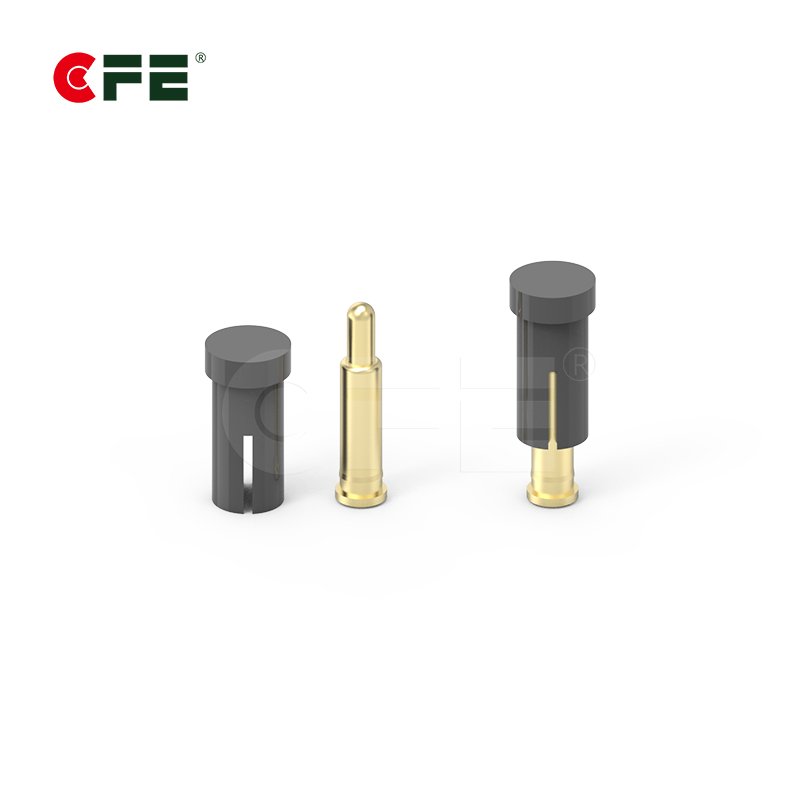
Magnetic connectors, on the other hand, are designed for applications requiring fast connection, automatic alignment, repeated mating cycles, and improved user convenience. They use spring-loaded pogo pins combined with magnetic attraction to create reliable electrical contact while minimizing mechanical wear.
Key Differences Between 2-Pin DC and Magnetic Connectors
Feature |
2-Pin DC Connectors |
Magnetic Connectors |
|---|---|---|
| Connection Method | Manual insertion | Automatic magnetic alignment |
| Durability | Moderate | High cycle life |
| User Convenience | Standard | Fast and easy connection |
| Wear Resistance | Medium | Excellent |
| Waterproof Customization | Limited | Highly customizable |
| Best Use Case | Fixed installations | Frequent charging applications |
When to Choose a 2-Pin DC Connector
A 2-pin DC connector is ideal for:
- Standard power supply systems
- Industrial control devices
- Fixed charging equipment
- Cost-sensitive electronic applications
When to Choose a Magnetic Connector
A magnetic connector is the better option for:
- Smart wearable devices
- Portable charging systems
- Medical equipment
- Docking stations
- Devices requiring repeated connection cycles
For modern electronic products requiring convenience, durability, and advanced performance, magnetic connectors often provide superior long-term reliability compared to traditional 2-pin DC connector solutions.
Recommended 2-Pin DC Connector Options
Here are the top choices for various needs:
-
Waterproof 2-Pin Connectors (IP67)
Great for solar, garden lights, and marine setups. -
Mini 2-Pin DC Plugs
Perfect for compact electronics like Arduino or Raspberry Pi projects. -
High-Amp Rated Connectors
Used in power tools, industrial systems, and automation.
Trusted brands to consider:
-
CFE
-
Amphenol
-
Molex
-
Anderson Power Products
CFE’s 2-Pin DC Connectors stand out for quality, safety, and longevity.
Industrial 2-Pin Connector Applications
Industrial 2-pin connectors play a critical role in providing stable and secure electrical connections across a wide range of industrial systems. Their simple design, reliable conductivity, and durability make them essential for power transmission in demanding environments.
These connectors are engineered to handle continuous electrical loads while maintaining stable performance under vibration, temperature variation, and repeated operational use.
Industrial Automation Equipment
2-pin connectors are widely used in industrial automation systems to power sensors, actuators, and control modules. Their reliable electrical contact ensures consistent system performance in automated manufacturing environments.
Power Distribution Systems
Industrial power distribution equipment relies on 2-pin connectors for secure electrical transfer between power sources and connected devices. Their stable conductivity supports uninterrupted power delivery.
Charging Stations
Many industrial charging systems use 2-pin connectors for battery charging applications in handheld terminals, scanning equipment, and portable industrial devices.
Medical and Laboratory Equipment
Precision medical devices and laboratory instruments require dependable connectors for stable power supply. Industrial-grade 2-pin connectors provide the reliability necessary for sensitive electronic systems.
Security and Monitoring Devices
Industrial surveillance systems, access control devices, and monitoring equipment commonly use 2-pin connectors to maintain consistent power connections for long-term operation.
Renewable Energy Systems
Solar energy equipment, battery storage systems, and portable energy devices often integrate 2-pin connectors for efficient low-voltage power transfer.
Why Industrial Applications Require High-Quality 2-Pin Connectors
Industrial environments demand connectors with:
- High durability
- Low contact resistance
- Stable electrical conductivity
- Long operational life
- Resistance to vibration and environmental stress
Selecting the right industrial 2-pin connector ensures improved equipment reliability, reduced maintenance costs, and long-term system performance.
Installation and Safety Tips
When installing:
-
Always turn off the power
-
Double-check polarity (+/-)
-
Use heat-shrink tubing or electrical tape for insulation
-
Secure cables with strain relief
Safety checks:
-
Inspect for wear or corrosion
-
Ensure tight connection – no loose wires
-
Avoid overloading beyond rated specs
A clean and secure installation reduces the risks of shorts and overheating.
Final Thoughts: Making a Smart Purchase
A reliable 2-pin DC power connector keeps your devices powered safely and efficiently.
Choose based on:
-
Rated voltage/current
-
Usage environment
-
Build quality and fit
For trusted performance and long-term durability, invest in connectors from reputable suppliers.
CFE offers a solid lineup for both consumer and industrial applications.
✅ Summary Checklist
-
✅ Confirm voltage & current needs
-
✅ Check environment (indoor/outdoor)
-
✅ Verify size and type match
-
✅ Choose reliable materials
-
✅ Buy from trusted brands