
medical
The healthcare industry demands precision, reliability, and absolute safety in every component used within medical devices. From diagnostic equipment to wearable health monitors, connectivity solutions play a critical role in ensuring performance and patient safety. Among these solutions, magnetic connectors have emerged as an innovative alternative to traditional connectors.
But one important question remains:
Are magnetic connectors safe for medical applications?
The short answer is yes — when designed to meet strict medical-grade standards, magnetic connectors are highly safe, reliable, and beneficial for healthcare use.
In this article, we’ll explore how magnetic connectors work, their role in medical environments, safety considerations, compliance requirements, advantages, challenges, and why they are becoming increasingly popular in modern healthcare technology.
What Are Magnetic Connectors?
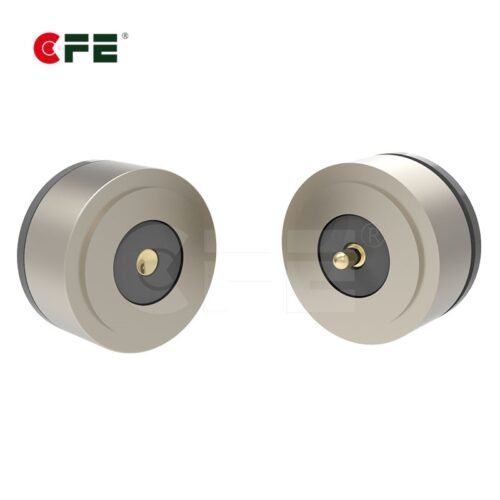
Magnetic connectors are connection systems that use magnetic force to align and connect electrical contacts between two devices.
Unlike traditional plug-and-socket connectors, magnetic connectors:
- Snap into place automatically
- Disconnect safely under stress
- Reduce physical wear
- Improve ease of use
These connectors are widely used in:
- Medical monitoring equipment
- Surgical devices
- Portable diagnostic tools
- Patient wearables
- Rehabilitation devices
- Hospital-grade charging systems
Their self-aligning design makes them particularly useful in environments where reliability and user-friendliness are essential.
Why Safety Matters in Medical Applications
Medical applications are among the most demanding technological environments.
A minor connector failure can lead to:
- Interrupted patient monitoring
- Device malfunction
- Diagnostic inaccuracies
- Delayed treatment
- Safety hazards
For this reason, all components used in healthcare must meet stringent standards for:
Electrical Safety
Preventing short circuits, overloads, and electrical leakage.
Mechanical Reliability
Ensuring durability despite repeated use.
Biocompatibility
Preventing harmful interactions with human tissue.
Environmental Resistance
Withstanding sterilization, moisture, and contamination.
Magnetic connectors designed for healthcare undergo extensive testing to satisfy these requirements.
How Magnetic Connectors Improve Medical Device Safety
1. Automatic Breakaway Protection
One of the biggest safety advantages of magnetic connectors is their breakaway feature.
If excessive force is applied — such as someone tripping over a cable — the connector detaches instantly without:
- Damaging the device
- Pulling equipment off a table
- Injuring patients
This feature is especially important in:
- ICU monitoring systems
- Portable infusion devices
- Bedside medical equipment
2. Reduced Wear and Tear
Traditional connectors degrade over time due to repeated insertion and removal.
Magnetic connectors eliminate this issue because:
- They require minimal insertion force
- Alignment happens automatically
- Contacts experience less mechanical stress
This increases long-term reliability.
3. Lower Risk of Incorrect Connection
Medical devices often require precise connections.
Magnetic connectors are usually:
- Polarized
- Self-aligning
- Orientation-controlled
This prevents users from connecting cables incorrectly.
In healthcare, this can prevent serious operational errors.
4. Better Sealing Against Contamination
Many medical-grade magnetic connectors offer:
- Waterproof sealing
- Dust resistance
- Fluid protection
This is critical in environments involving:
- Sterilization
- Bodily fluids
- Frequent cleaning
A sealed connector minimizes contamination risks.
Medical Safety Standards for Magnetic Connectors
To be considered safe for medical use, magnetic connectors must comply with recognized standards.IEC 60601
This is the primary international standard for medical electrical equipment.
It evaluates:
- Electrical insulation
- Leakage current
- Mechanical safety
- Electromagnetic compatibility
ISO 13485
This standard governs medical device quality management systems.
Manufacturers producing magnetic connectors for healthcare often comply with ISO 13485.
RoHS and REACH Compliance
Medical connectors should be free from hazardous substances.
Compliance ensures safer materials for healthcare environments.
IP Ratings
Ingress Protection (IP) ratings define resistance against:
- Water
- Dust
- Foreign particles
Common medical-grade ratings include:
- IP67
- IP68
These provide robust protection.
Common Medical Applications of Magnetic Connectors

medical monitoring
Patient Monitoring Devices
Continuous monitoring systems rely on dependable connectivity.
Magnetic connectors provide:
- Fast connection
- Safe disconnection
- Reliable signal transmission
Examples:
- ECG monitors
- Pulse oximeters
- Vital sign trackers
Wearable Medical Technology

medical smart bracelet
Wearables need compact, user-friendly connectors.
Magnetic connectors improve:
- Charging convenience
- Device aesthetics
- Patient comfort
Examples:
- Smart glucose monitors
- Cardiac wearables
- Sleep monitoring devices
Surgical Equipment
Surgical tools demand reliability and sterility.
Magnetic connectors support:
- Quick replacement
- Sterile handling
- Reduced contamination risk
Rehabilitation Devices
Therapeutic equipment often requires repeated cable handling.
Magnetic systems reduce physical stress on both:
- Patients
- Devices
Potential Concerns About Magnetic Connectors in Healthcare
While highly beneficial, there are considerations. Magnetic Interference
Some sensitive medical devices may be affected by magnetic fields.
However, medical-grade magnetic connectors are engineered to minimize electromagnetic interference.
Proper shielding addresses this concern.
Connection Strength
If the magnetic force is too weak, accidental disconnections may occur.
Manufacturers solve this by carefully calibrating:
- Magnetic retention force
- Contact pressure
- Alignment precision
Cost
Medical-grade magnetic connectors can cost more than traditional connectors.
However, their durability often lowers long-term maintenance costs.
Benefits Over Traditional Connectors
| Feature | Magnetic Connectors | Traditional Connectors |
|---|---|---|
| Easy Connection | Excellent | Moderate |
| Breakaway Safety | Yes | No |
| Wear Resistance | High | Moderate |
| User Error Prevention | High | Low |
| Maintenance Needs | Low | Higher |
Future of Magnetic Connectors in Healthcare
Healthcare technology is rapidly evolving.
Emerging trends include:
Smart Wearables
As wearable devices expand, magnetic charging systems will become essential.
Miniaturized Devices
Compact medical devices need smaller, smarter connectors.
Telemedicine Equipment
Remote healthcare solutions require dependable connectivity.
Wireless-Hybrid Systems
Magnetic connectors may combine with wireless charging for advanced performance.
How to Choose Safe Magnetic Connectors for Medical Use
When selecting magnetic connectors, consider:
Certification
Ensure compliance with:
- IEC 60601
- ISO 13485
- RoHS
Material Quality
Look for:
- Corrosion-resistant contacts
- Medical-grade plastics
- Biocompatible materials
Environmental Protection
Choose connectors with strong IP ratings.
Mechanical Durability
Evaluate mating cycle lifespan.
Final Verdict: Are Magnetic Connectors Safe?
Yes.
Magnetic connectors are safe for medical applications when properly engineered and certified.
They offer substantial advantages including:
- Enhanced patient safety
- Reduced connector damage
- Better usability
- Faster operation
- Improved contamination resistance
As medical technology advances, magnetic connectors are expected to become an essential part of next-generation healthcare systems.
FAQs
Are magnetic connectors FDA-approved?
Magnetic connectors themselves are typically components within FDA-regulated devices rather than individually approved products.
Can magnetic connectors interfere with pacemakers?
Medical-grade connectors are designed to minimize interference, but device-specific testing is essential.
Are magnetic connectors waterproof?
Many are available with waterproof ratings such as IP67 and IP68.
Why are hospitals adopting magnetic connectors?
They improve safety, durability, and ease of use.
Are magnetic connectors expensive?
Initial costs may be higher, but long-term savings from reduced maintenance often justify the investment.
Conclusion
Magnetic connectors are transforming medical device connectivity by offering safer, smarter, and more reliable solutions.
Their breakaway protection, durability, contamination resistance, and user-friendly design make them ideal for modern healthcare systems.
As healthcare devices continue becoming smaller, smarter, and more connected, magnetic connectors will play a critical role in shaping the future of medical technology.