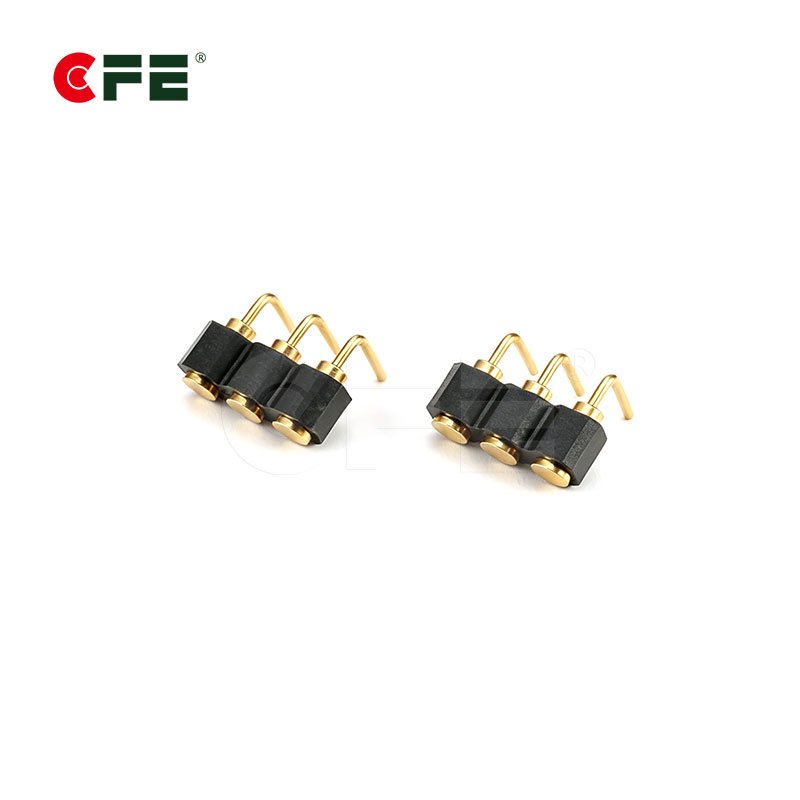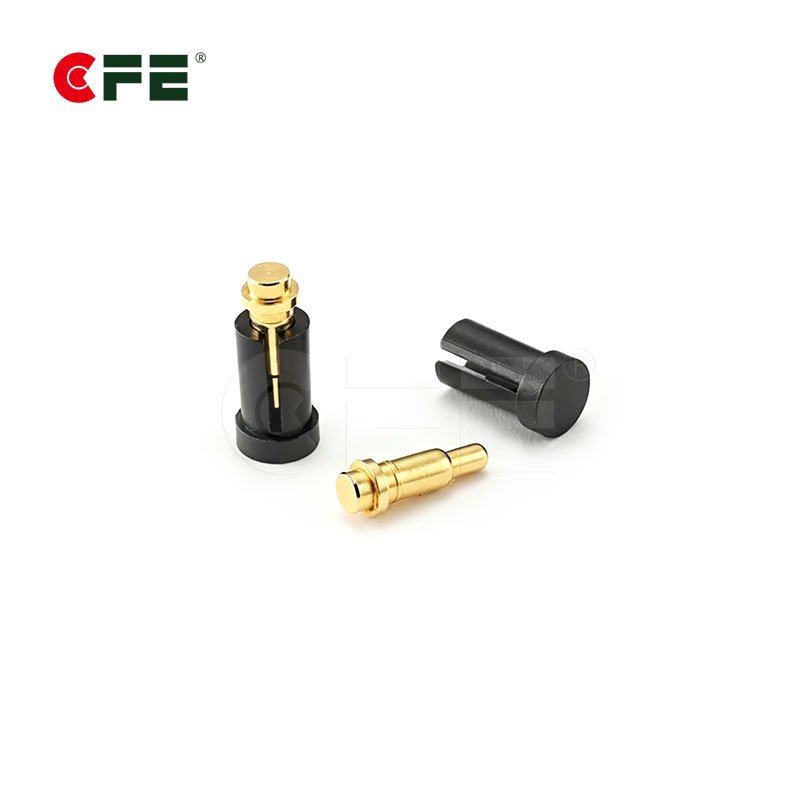
Medical devices demand higher reliability and durability from connectors than standard consumer electronics. In healthcare environments, even a minor connection failure can compromise device accuracy, interrupt patient monitoring, or reduce long term dependability.
Pogo pin connectors have become increasingly popular in modern medical electronics.
Their compact design, stable electrical performance, long mating life, and compatibility with magnetic charging systems make them an excellent choice for wearable medical devices, portable diagnostic systems, and healthcare charging interfaces.
Why Do Medical Devices Use Pogo Pin Connectors?
Medical devices are evolving rapidly. They are becoming:
- Portable
- Wearable
- Waterproof
- Lightweight
- Frequently charged
- Continuously monitored
Traditional connectors like USB or rigid plug-in interfaces often become weak points in healthcare products. Repeated insertion cycles, exposure to moisture, cleaning chemicals, and mechanical stress gradually reduce connector reliability.
This is especially problematic in medical electronics, where unstable electrical contact can affect:
- Charging performance
- Sensor accuracy
- Physiological signal transmission
- Device uptime
- Long-term reliability
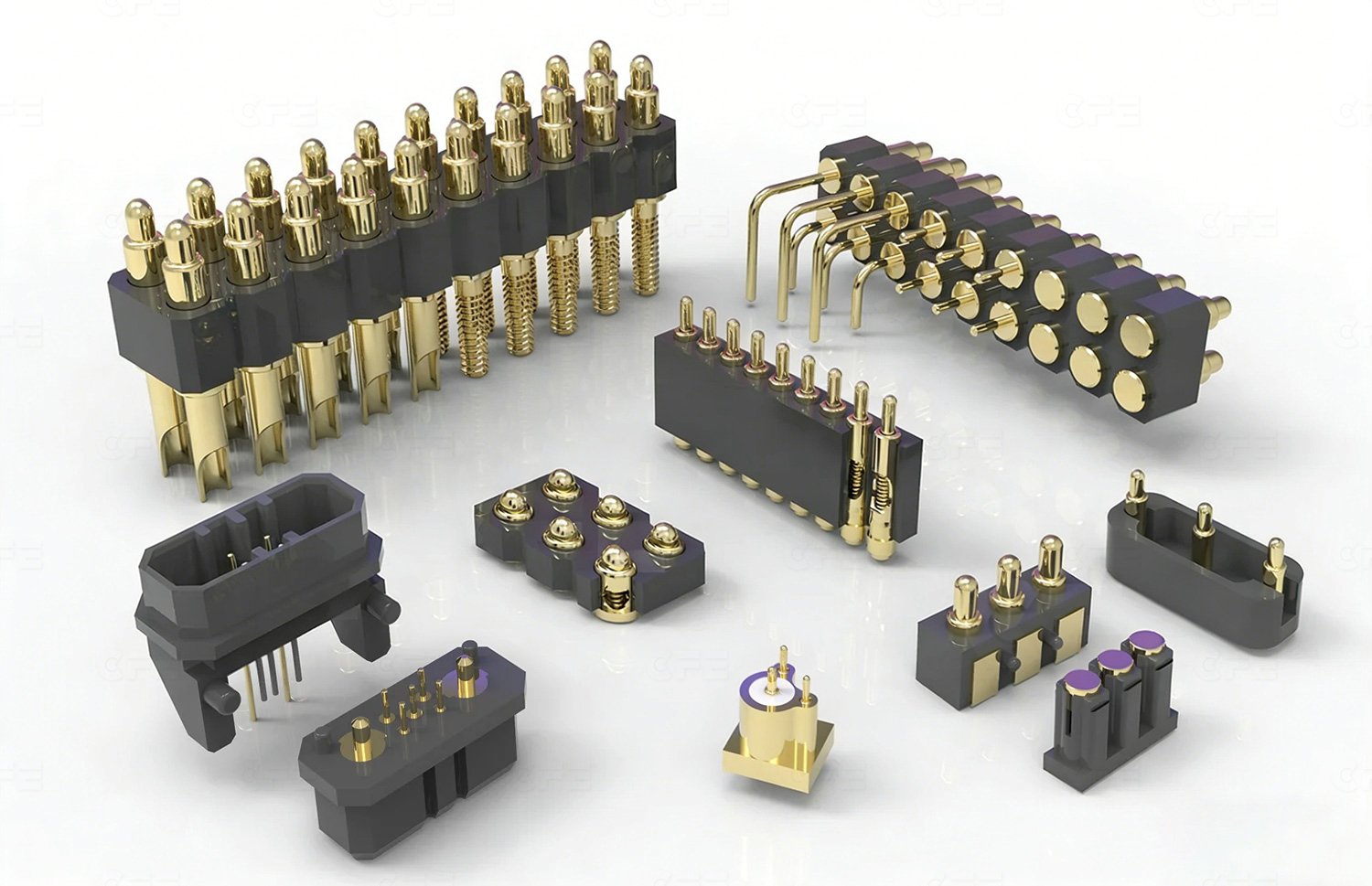
Pogo pin connectors solve many of these challenges by providing a self-cleaning, spring-loaded contact system that maintains stable connections over thousands of mating cycles.
Contact Reliability Is the Most Important Factor
The primary goal of medical connector design is maintaining stable electrical contact over long-term use. Many healthcare devices transmit:
- Low-voltage signals
- Sensor data
- Physiological monitoring signals
- Charging current
- High-frequency communication
Even small fluctuations in contact resistance can affect measurement accuracy or charging stability. High quality medical pogo pin connectors are typically designed to maintain:
- Low contact resistance
- Stable conductivity
- Minimal signal interruption
- Long-term electrical consistency
For critical healthcare applications, contact resistance is commonly designed below 50 mΩ. Poor contact performance may lead to:
- Signal drift
- Intermittent connection
- Charging instability
- Device reliability issues
In medical electronics, reliability always matters more than low cost.
Gold Plating Is Essential for Medical Pogo Pin Connectors
Medical devices operate in harsh environments exposed to:
- Sweat
- Humidity
- Alcohol cleaning
- Sterilization chemicals
- Frequent handling
Because of these conditions, plating quality becomes critical. Most premium pogo pin connectors for healthcare products use gold over nickel plating. This structure improves:
- Corrosion resistance
- Wear resistance
- Signal stability
- Long-term conductivity
Thicker gold plating is often recommended for spring loaded contacts in medical devices because healthcare products require extended operating life and repeated cleaning cycles. Low-quality plating can quickly cause:
- Surface oxidation
- Increased resistance
- Reduced mating life
- Unstable electrical performance
For wearable healthcare products, plating quality directly affects long-term reliability.
Optimize Spring Force Carefully
A common misconception is that higher spring force always improves reliability. In medical applications, excessive force can create new problems:
- Mechanical wear
- Poor user experience
- Connector damage
- Discomfort in wearable products
However, insufficient spring force may lead to unstable contact.
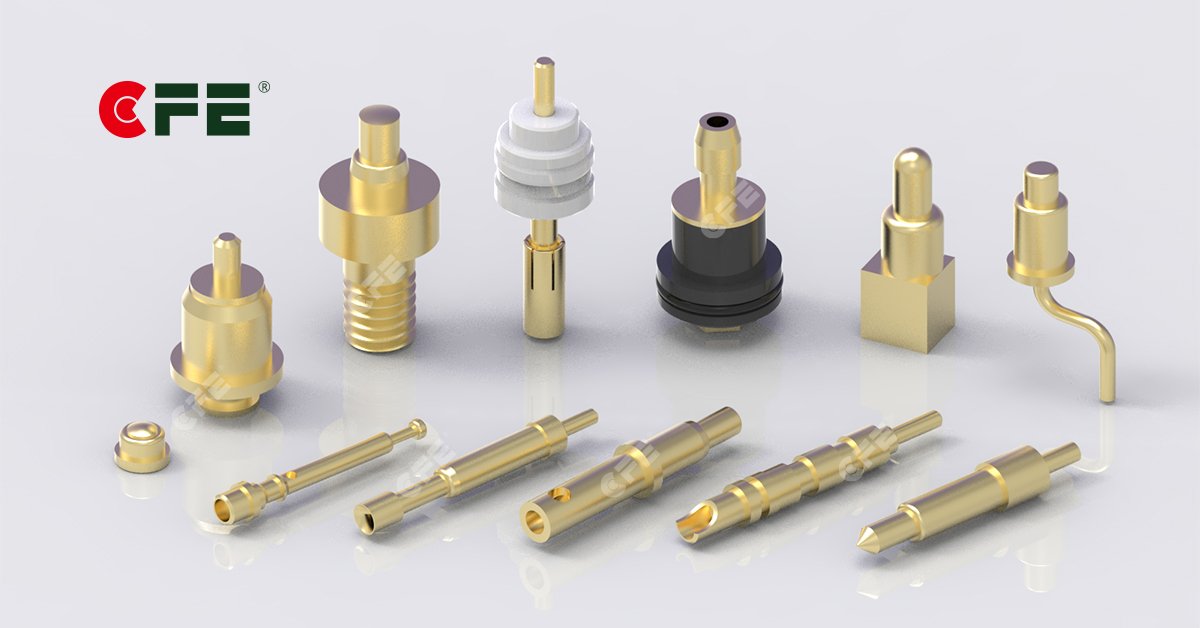
Reliable medical pogo pin connector design requires balanced spring force optimization according to the application.
Typical considerations include:
- Wearable devices require lighter contact force
- Charging docks may require stronger contact pressure
- Portable equipment often prioritizes smooth mating cycles
Controlled compression range is usually more important than maximum force.
High Mating Cycle Life Is Critical
Healthcare devices are frequently connected and disconnected throughout their service life.
Common examples include:
- Wearable device charging
- Portable monitors
- Homecare electronics
- Diagnostic equipment docks
As a result, high-quality pogo pin connectors are commonly designed for:
- 10,000 mating cycles
- 50,000 mating cycles
- 100,000 mating cycles or more
Long mating life depends on several engineering factors:
- Gold plating thickness
- Spring material quality
- Mechanical alignment
- Contact geometry
- Reduction of lateral friction
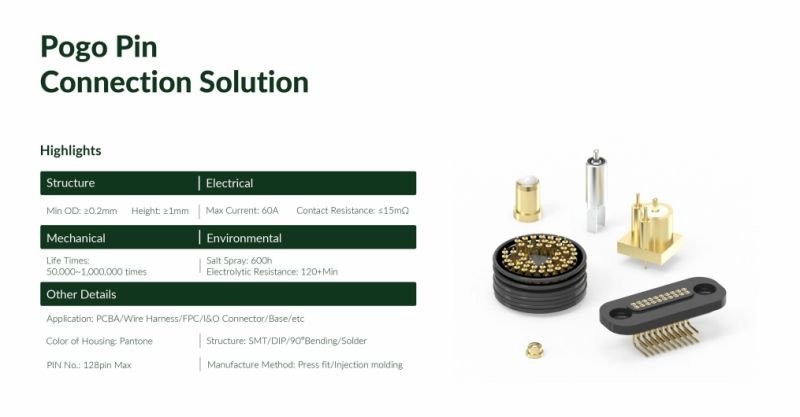
FAQ: Pogo Pin Connectors for Medical Devices
1.Why are pogo pin connectors preferred over USB in medical devices?
Pogo pin connectors offer higher mating cycle life, better resistance to moisture and cleaning chemicals, and more compact designs. They also allow for magnetic or self-aligning interfaces, which reduce wear and improve user experience.
2.How many mating cycles can a medical pogo pin connector withstand?
High quality medical pogo pin connectors are typically rated for 10,000 to 100,000 mating cycles, depending on plating thickness, spring design, and mechanical alignment.
3.Can pogo pin connectors be used for battery charging in medical devices?
Yes. Many portable and wearable medical devices use pogo pin connectors for battery charging. They are reliable, compact, and support fast charging when designed with appropriate current ratings.