You have a drawing, a launch date, and a budget. Then the quote arrives with a minimum order far above your forecast and a ship date weeks later than planned.
Questions about pogo pin MOQ and lead time in China rarely have a one-line answer, because both numbers depend on what you are buying. A catalog pin and a custom magnetic assembly are very different jobs. This guide shows what suppliers publish, what moves those figures and how to get a commitment you can plan around.

What MOQ and Lead Time Should You Expect?
We checked public supplier pages in November 2026. The spread was wide, which is the most useful finding of all.
| Published source | Minimum order | Sample timing | Production timing |
|---|---|---|---|
| China supplier A | 50 pieces for production | 7 to 15 days | About 25 days; 15 to 20 days for rush orders |
| China supplier B | 1,000 pieces standard; typically 5,000 custom | 2 to 7 working days | 7 to 10 business days standard; 3 to 4 weeks custom assemblies |
| China supplier C | 3,000 pieces | Not stated | 2 weeks at that quantity |
| CFE | No fixed figure published | 2 weeks | Quoted per project |
These are each company’s own statements, not audited performance data. Some count working days and others do not say. Treat them as a reason to ask better questions, never as a promise for your part.
For wider context, CFE’s guide for OEM buyers says most OEM manufacturers offer prototypes in two to four weeks and mass production in four to eight weeks. Avoid building a plan around the fastest number you can find online.
Why Do Pogo Pin Suppliers Set a Minimum?
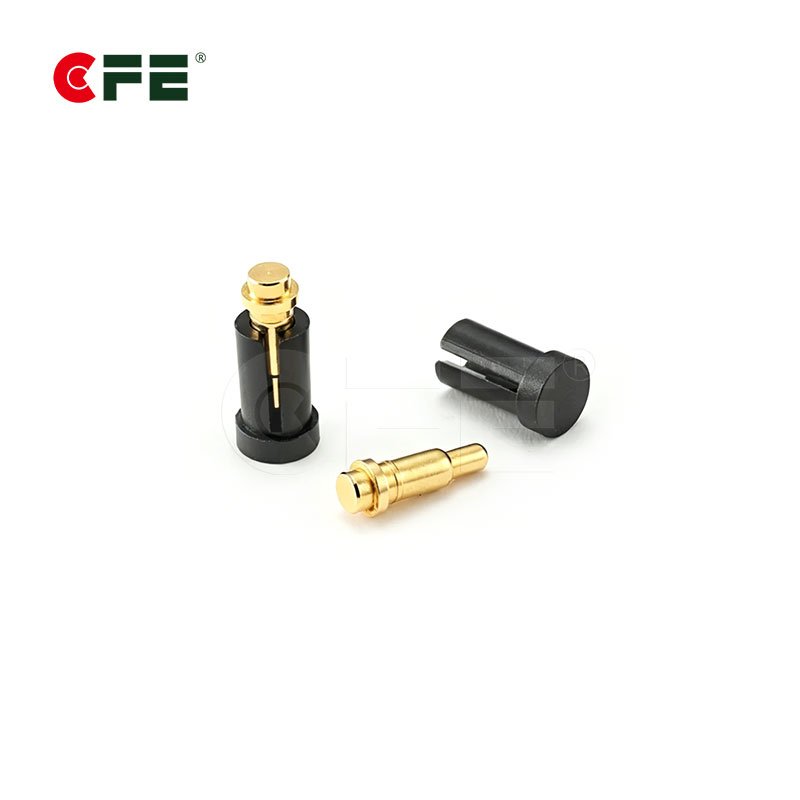
A pogo pin looks tiny and simple. Inside, it is a small mechanical system: a plunger, a barrel and a spring, often held in a molded insulator with other pins. Each of those pieces has to be made or bought, plated where needed, assembled and checked.
Think of it like baking. Heating the oven takes the same effort whether you bake six cookies or six hundred. In connector production, the “oven” can include:
- Setting up turning machines for a new plunger or barrel size
- Buying spring wire and bar stock in practical lot sizes
- Preparing a plating run with a specific finish and thickness
- Making or fitting molds and assembly fixtures
- First-article inspection and test setup
A supplier recovers those costs through a minimum, a setup fee or the unit price.
Here is a purely illustrative calculation, not a CFE price. A 300 dollar setup cost spread across 500 pieces adds 60 cents to each one. Spread across 5,000 pieces, it adds 6 cents. Same work, very different impact.
So when a minimum feels too high, ask what is driving it. Is it plating, a custom spring, or the housing? Switching to an existing size or finish may lower the barrier. Our guide to what drives custom pogo pin connector price explains why tooling should appear as a separate quote line.
Standard Parts and Custom Designs Follow Different Clocks
Before comparing quotes, decide which route you are on.
| Route | What you are buying | Likely effect on MOQ | Likely effect on schedule |
|---|---|---|---|
| Catalog part | An existing pin or connector | Most room to negotiate | Shortest path if material or stock is available |
| Modified part | A change to length, plating, spring or pin layout | Depends on the changed process | Adds drawing approval and new samples |
| Full custom | New housing, magnets, sealing or cable | Usually tied to tooling and component lots | Adds design review, tooling and validation |
Could an existing part do the job? Start with the CFE pogo pin range and compare height, stroke, current and mounting style. If you are unsure which values matter, our guide on how to read a pogo pin datasheet will help.
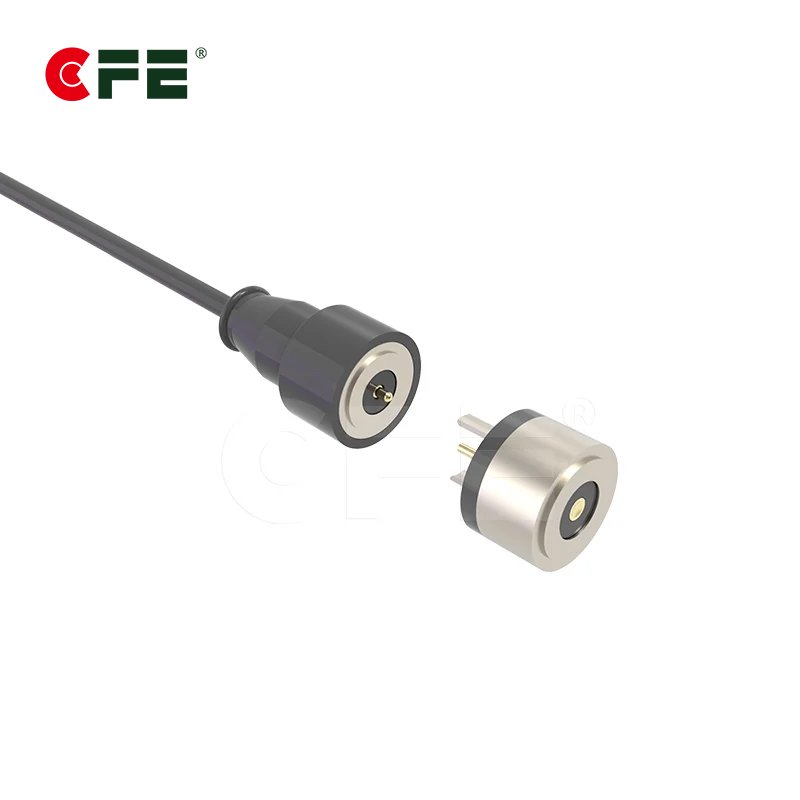
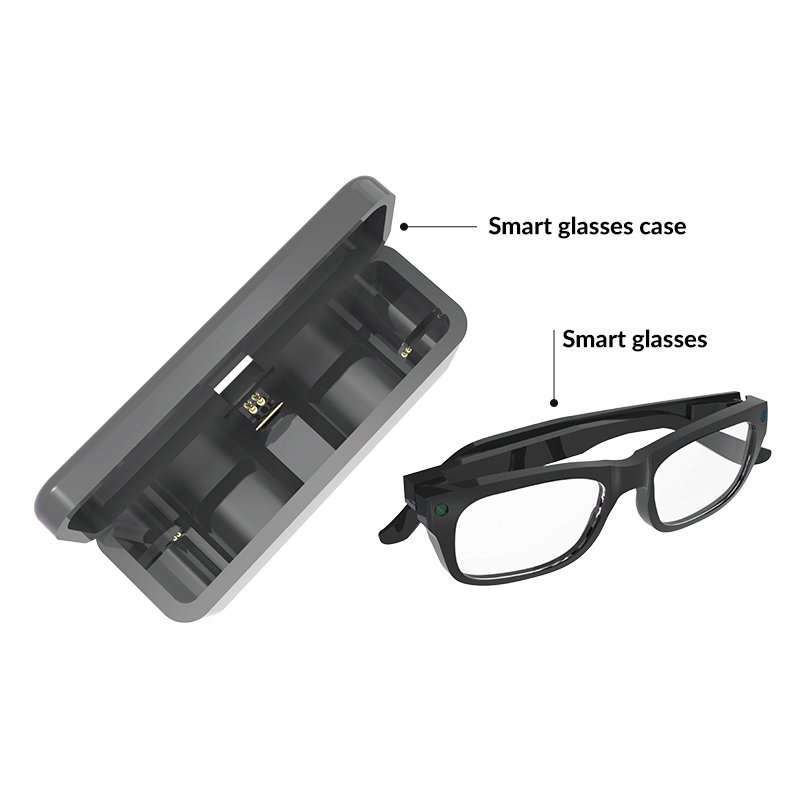
If nothing fits, a custom pogo pin connector is the better route. Imagine a wearable brand that needs four contacts in a curved charging case. Forcing a straight catalog connector into that shape might save a few weeks now and cost a housing redesign later.
Practical tip: quote the closest standard part and the custom version side by side.
Sample Lead Time Is Not Production Lead Time
A fast sample is encouraging. It does not tell you when your full order will ship.
CFE’s pogo pin connector page lists a two-week sample lead time, a free design for manufacturability (DFM) review with every quote and an engineering reply within 24 hours. A DFM review checks whether your design can be made consistently before money goes into production.
A realistic project usually moves through these stages:
- Inquiry and DFM review: requirements, drawings and open questions are settled.
- Quotation: price breaks, minimums, tooling and dates are confirmed.
- Samples: parts are built and shipped to you.
- Your testing: fit, electrical performance, cycle life and environment are checked.
- Approval: drawing and golden sample are signed off.
- Production and inspection: materials, plating, assembly and final checks.
- Shipping: export, transit, customs and delivery.
Notice who controls the testing and approval stages. You do. A quick sample can turn into a long loop if parts wait on a busy engineer’s desk. Book your test resources before the samples leave China.
Also ask what ships with the samples. CFE states that shipments include test data for contact resistance, insulation resistance and cycle life. Compare that data with your own results, and review the quality process you expect production parts to pass.
What Stretches a Pogo Pin Schedule?
Most delays are small gaps that stack up, such as a missing tolerance or a late finish change.

| Possible cause of delay | Why it matters | How to protect your date |
|---|---|---|
| Incomplete requirements | Engineering cannot confirm the design | Send one complete inquiry |
| Special plating | The finish may need its own process run | Fix finish and thickness early |
| New molds or fixtures | Tooling must be ready before parts | Ask for a tooling milestone date |
| Magnets or waterproof sealing | More components and more checks | Define holding force and rating up front |
| Design changes after samples | Drawings, tooling and testing may repeat | Freeze the revision before approval |
| Special test reports | Testing can take longer than assembly | List every report in the inquiry |
Ever approved a sample, then “just slightly” changed the pin length? That small edit can restart part of the process. Give every drawing a revision number and quote it on the purchase order.
Ask which item on your build has the longest wait, then decide whether to approve it early, hold buffer stock or accept an alternative. For wider vetting, see how to choose a pogo pin supplier.
Plan Around Chinese Holidays
Here is the calendar detail that catches first-time buyers. China’s official 2027 holiday notice sets the Spring Festival break from February 5 to 13, 2027, with make-up workdays on January 31 and February 14. The National Day holiday runs from October 1 to 7, 2027.
Individual factories and their material suppliers may close longer than the official dates, or restart gradually. Ask each partner for its last order date, last ship date and full-capacity return date.
Work backward from the day you need goods to leave. Suppose you choose January 22, 2027 as a safe ex-factory date:
| Quoted production time | Latest release with samples already approved |
|---|---|
| Four weeks | December 25, 2026 |
| Six weeks | December 11, 2026 |
| Eight weeks | November 27, 2026 |
This is simple calendar math, not a capacity guarantee. It leaves no time for sampling, so a new custom design may need a post-holiday plan. Would partial delivery help? A smaller first shipment before the break, followed by the balance later, may keep your pilot build moving if your supplier agrees in writing.
Ex-Factory Date or Delivery Date?
Your supplier says “four weeks.” Your warehouse hears “parts arrive in four weeks.” Those can be two very different promises.
Incoterms 2020 are 11 rules from the International Chamber of Commerce that set out buyer and seller responsibilities in international sales. Your quote should name one rule and a specific place.
- EXW (Ex Works): you take on collection and most of the movement from the named place.
- FCA or FOB: the seller hands goods over at an agreed carrier or loading point; FOB applies to sea and inland waterway transport.
- DAP or DDP: the seller arranges transport to the named destination; under DDP the seller also handles import duties and clearance.
The ICC Academy explains that EXW and DDP sit at opposite ends of the cost and responsibility scale. Confirm the best option with your freight forwarder or customs adviser, because import rules vary by country.
On your schedule, show three separate dates: ready to ship, departed and received. Add time for export handling, transit, customs and your incoming inspection.
How to Get a Firm MOQ and Lead Time Quote
Want a faster, more useful answer? Give the engineer enough to work with. Include:
- Drawing, 3D file, sketch or reference sample
- Current, voltage and signal needs
- Pin count, pitch, working height and stroke
- Plating, cycle life, sealing and magnet requirements
- Sample quantity, first order and annual forecast
- Required test reports and compliance documents
- Target sample date, ship date and destination
Then ask these questions directly. What is the minimum for this exact design? Which charges are one-time? When does the lead time start? Are the days calendar or working days? What happens if the date slips?
Request price breaks at several quantities, such as your trial run, first production order and yearly volume. If the minimum is still too high, discuss a standard component, a common finish, scheduled releases or a paid pilot run.

Sharing a drawing for the first time? CFE says drawings stay confidential and a non-disclosure agreement is available on request.
Conclusion
A good pogo pin quote states the minimum for your exact part, separates tooling from unit cost, names the event that starts the clock and gives a ready-to-ship date. Compare like with like, treat samples and production as separate commitments, and check the holiday calendar before releasing an order.
Frequently Asked Questions
What is a typical pogo pin MOQ from China?
There is no single market standard. Supplier pages we checked in November 2026 showed minimums from 50 pieces to 5,000 pieces, depending on the supplier and whether the part was standard or custom. CFE does not publish a fixed minimum, so send your first-order quantity and annual forecast for a specific answer.
How long do pogo pin samples take?
CFE lists a two-week sample lead time on its pogo pin connector page. Other published figures we reviewed ran from a few working days to about two weeks for samples. New tooling, special plating or a design revision can add time, so ask for the date your samples will ship, not just a duration.
Can I order a small trial run before mass production?
Often, yes, but the terms differ. Some suppliers offer prototype or trial quantities below their production minimum, usually with a higher unit price or a separate setup charge. Ask whether the trial parts come from the same tooling, materials and plating process that will be used for your volume order.
When does the production lead time start?
It starts when your supplier says it starts, which is why you should get it in writing. Common triggers are receipt of the deposit, signed drawing approval and approval of samples. A sensible purchase order names the trigger and states the ex-factory date.
Does a higher order quantity shorten or lengthen lead time?
Quantity mostly affects production time once it exceeds the capacity that is free on the line. A small run may spend more time waiting in the queue than being made, while a large run can be split into scheduled shipments. Ask your supplier about both capacity and partial deliveries.