As the global energy storage market grows, residential and commercial systems are becoming more modular and automated.
Products like Tesla Powerwall are leading this shift.
Traditional connections — wires, terminals, pluggable connectors — show clear limits:
- Complex assembly
- High labor cost
- Human error affects reliability
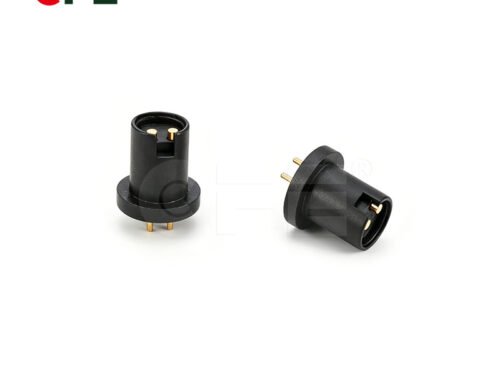
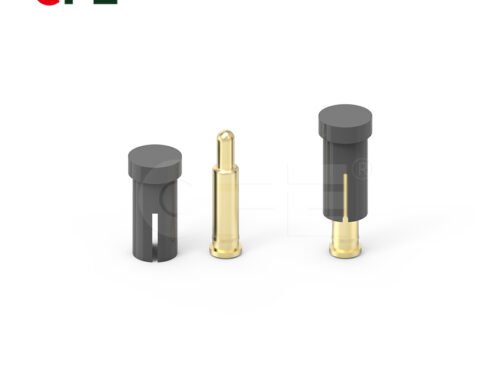
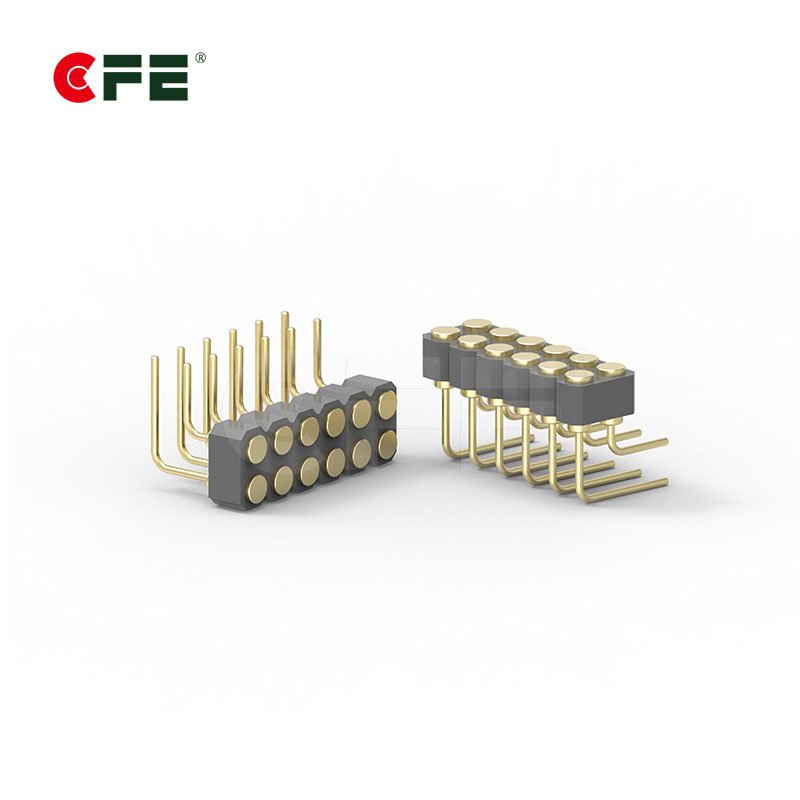
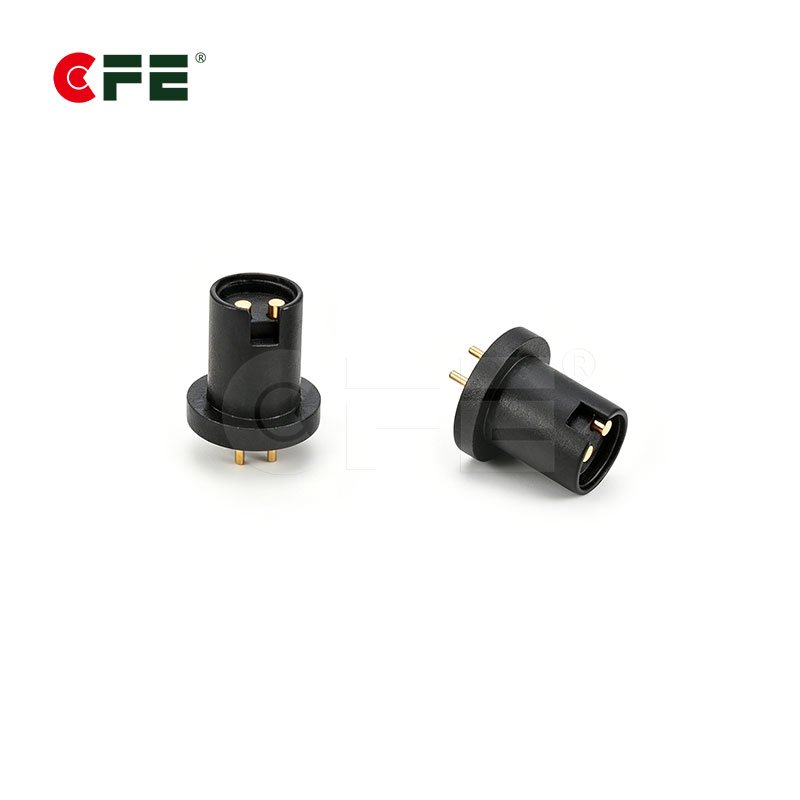
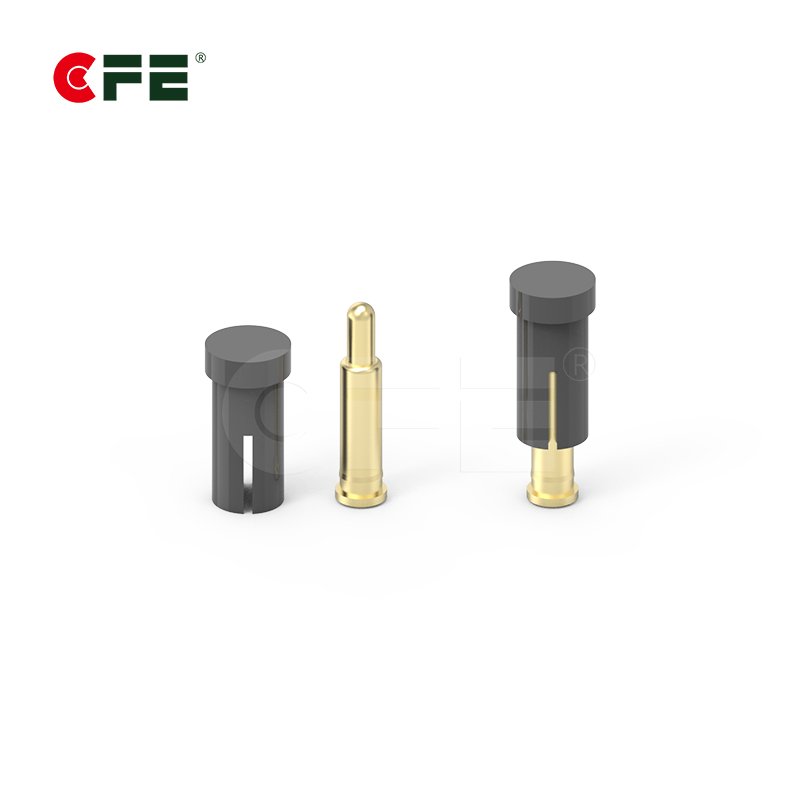
Pogo Pin solves these problems. It is a high-precision, spring-loaded elastic contact technology.
Why Energy Storage Needs a New Connection Method
A modern energy storage system includes:
- Battery modules
- Battery Management System (BMS)
- Power Conversion System (PCS)
- Control and communication systems
New industry demands:
- Modular assembly → fast module swap
- Automated production → self-alignment required
- Cost efficiency → less manual work, fewer errors
Result: “plug-less, auto-contact” connection is now preferred.
This type of elastic contact is exactly where a spring-loaded solution fits.
Key Features
- Spring-loaded elastic contact
- Blind-mate automatic docking
- 100,000+ mating cycles
- Milliohm-level contact resistance
These features make it suitable for applications requiring high reliability and long life.

3 Main Applications in Energy Storage
-
Signal Connection Between Modules
Modules in modern storage systems:
- Battery module
- BMS
- Control board
Advantages of using this technology:
- No wire harness
- Compact structure
- Press-fit docking
- Tolerance-friendly
-
Module Docking Interface
Modular systems require fast replacement and easy installation.
A spring-loaded contact acts as a tolerance management tool.
Use cases:
- Battery module to system frame
- Control module quick install
- Subsystem interface connection
Key benefits:
- Absorbs position deviation
- Contact on alignment
- Higher automated assembly success rate

-
Maintenance & Service Interface
Full lifecycle management needs hidden, reliable connections.
Applications:
- Firmware upgrade
- System diagnosis
- Status reading
Why it works here:
- Clean product appearance
- Low environmental exposure risk
- Improved long-term reliability
Conclusion
From internal signal transmission to module docking and service interfaces,
this elastic contact technology is becoming a standard part of next-generation energy storage design.
For engineers designing modular battery systems, the pogo pin offers a simple, reliable, and automation-ready solution.
As storage systems evolve, its role will continue to expand into more application scenarios.