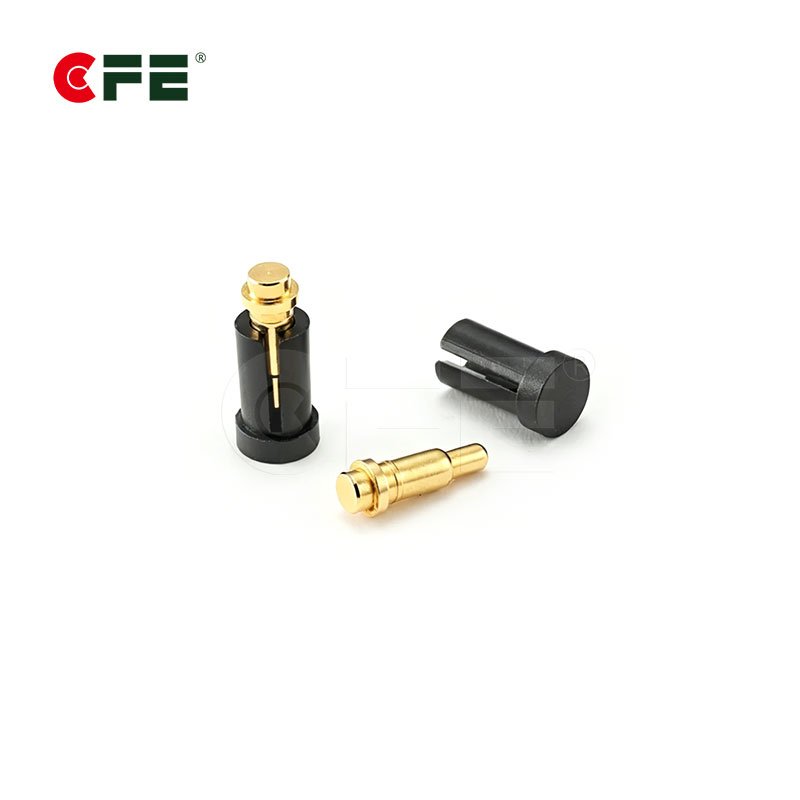
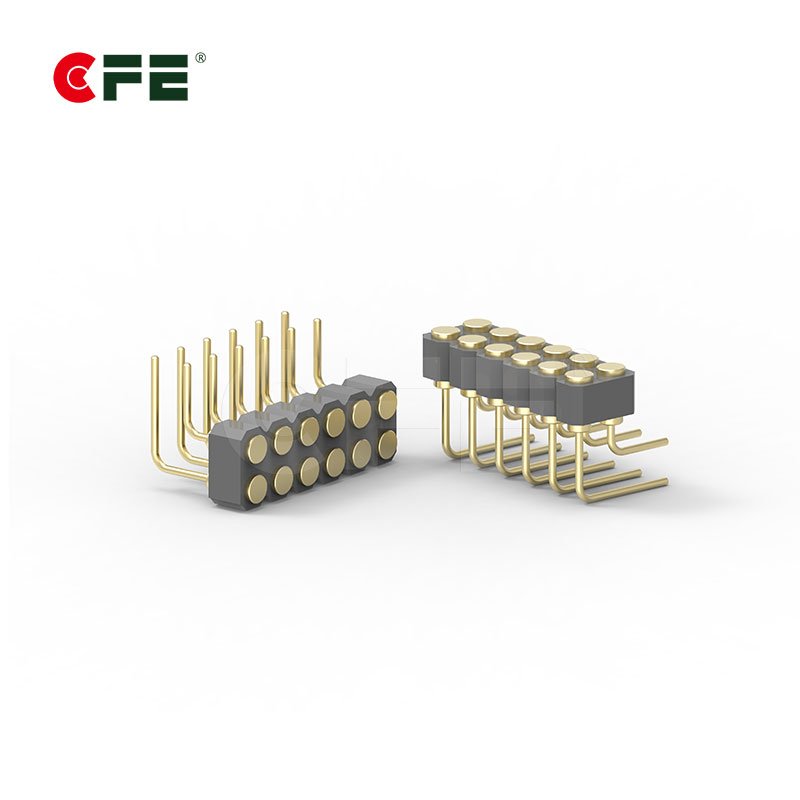
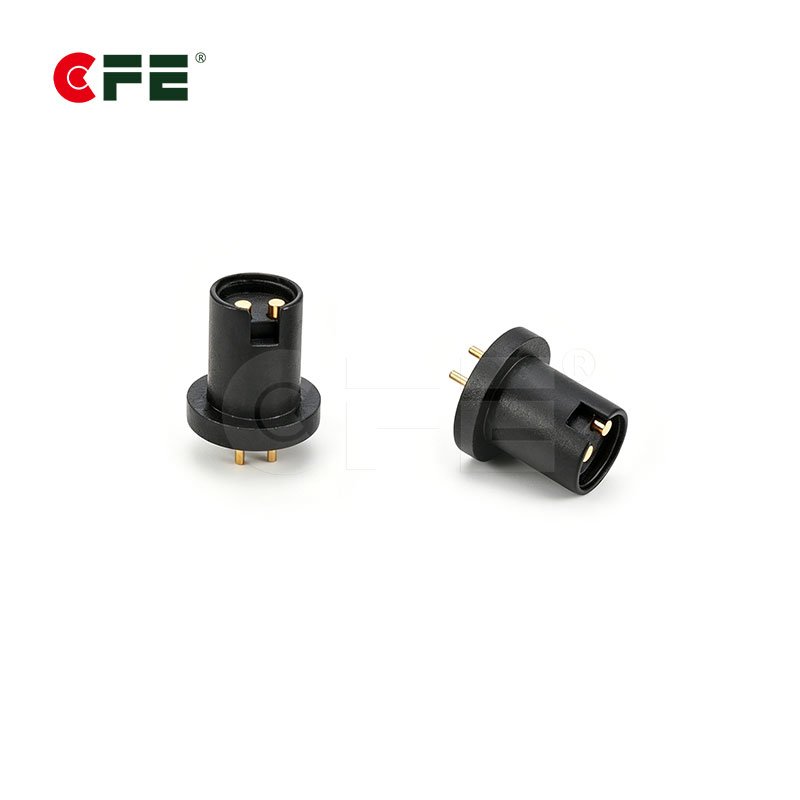
Ask three suppliers for a custom pogo pin connector price and you may get three very different numbers. That is rarely because someone is padding the quote. It is usually because each supplier heard a slightly different product. One quoted a basic 2-pin part, another assumed a waterproof housing, and the third priced a 20A contact because your email said “high current.”
So let’s slow down and look at what actually moves the number. This guide is written for buyers and sourcing teams who need to compare quotes fairly, and for engineers who want to avoid paying for specifications the product does not need.
Quick answer: The price of a custom pogo pin connector is driven mainly by current rating, waterproof sealing, plating and materials, pin count and geometry, magnets (if used), tooling and sampling, order volume, and the testing or compliance you require. Tooling is usually a one-time cost, while materials and plating repeat on every piece.
- Biggest technical drivers: current, sealing, and plating
- Biggest commercial drivers: tooling, sample rounds, and volume
- Biggest avoidable cost: over-specifying a requirement the product never needs
- Fastest way to a fair quote: send complete requirements in the first message

Why “Custom” Changes the Price Math
A standard catalog pin is built on tooling that already exists. The supplier has spread that cost across many orders, so you mostly pay for materials, plating, labor, and testing. A custom connector changes that arrangement. If your design needs a new plunger shape, a different barrel length, a special housing, or a new magnet layout, someone has to design it, tool it, sample it, and validate it before production starts.
Think of it like buying a suit. Off the rack, you pay for fabric and finishing. Made to measure, you also pay for the pattern, the fittings, and the tailor’s time. The tailor is not overcharging. They are doing more work before the first finished piece exists.
The good news is that “custom” is not all or nothing. Many projects start from a standard part and change one thing, such as pin height, plating thickness, or the housing. Those partial changes cost far less than a ground-up design. CFE, which has designed spring-loaded connection products since 2009 according to its own website, lists a custom pogo pin connector option and a customized module service. If your drawing sits close to an existing series, say so in your first message, because it can change the whole conversation.
Driver 1: Current Rating and the Heat It Creates
Current rating is a heat question. Heat in a contact follows P = I² × R, so doubling the current roughly quadruples the heat at the same resistance. A pin that carries 1A and a pin that carries 20A are very different parts, even if they look similar in a photo.
Higher current usually means a larger barrel and plunger, more contact area, stronger spring design, and tighter control of contact resistance. Each of those adds material cost, machining time, and inspection effort. Many of the thicker contacts are also machined more slowly, which affects the cost per piece.
Your own board matters here too. A pin soldered into thick copper sheds heat easily, while the same pin on thin traces runs hotter. A good supplier will ask about duty cycle, ambient temperature, and acceptable temperature rise, and you should expect those questions. If you only say “30A,” the quote has to cover the worst case.
For a sense of where current ranges start, browse CFE’s 5A-30A high current pogo pin family. For a deeper look at reading the numbers, the article on how to read a pogo pin connector datasheet is worth ten minutes.
Driver 2: Waterproofing and Sealing
A pogo pin is hard to seal because the plunger moves. Any gap around it is a possible path for liquid, so waterproof designs add seals, special housings, or gaskets. Each of those adds parts, assembly steps, and validation.
Sealing also changes the mechanical design. A seal adds friction, so the spring force and stroke have to be planned around it. That can mean a new inner structure, which means more engineering and more sampling. CFE states that it can provide different inner structures with a waterproof function, so ask which sealing method your part uses before you finalize the layout.
| Sealing approach | Where the cost comes from |
|---|---|
| Sealed plunger | Extra internal parts and spring tuning around added friction |
| Sealed housing or overmold | Molding tooling and tighter housing tolerances |
| Face seal or gasket | Gasket material and a controlled, flat mating surface |
One practical tip: define the water exposure in plain words. “Splashes from the side” and “submerged for 30 minutes” lead to very different designs. Ingress ratings come from the IEC 60529 standard, and the IEC guide to IP ratings explains what each level means. Remember that a rating belongs to the tested assembly, so the enclosure and mating side count too. You can see the available options on CFE’s waterproof pogo pin page.
Driver 3: Plating, Materials, and Spring Design
Plating is one of the quietest line items on a quote. CFE’s pogo pin datasheets list gold plating over nickel on brass, with the plating specification adjustable to customer requirements. Thicker gold usually improves wear life and keeps contact resistance low, but it also costs more on every single piece, because gold is a repeating material cost rather than a one-time charge.
So how thick is thick enough? It depends on how often the connector mates and what environment it lives in. A part mated a few times over its life does not need the same plating as a dock contact connected twice a day for years. Wet or sweaty environments push the requirement up, because corrosion attacks thin plating first.
Materials and spring design follow the same logic:
- Barrel and plunger material: brass is common, and other alloys cost more but may suit special needs.
- Spring force and stroke: a stronger spring or longer stroke needs more careful manufacturing and testing.
- Tip shape: flat, crowned, or pointed tips change machining steps and wear behavior.
Before choosing a tip, read how to choose the right pogo pin tip for your contact surface. A tip that suits the mating pad can extend life and reduce the plating you need.

Driver 4: Pin Count, Pitch, and Mounting Style
More pins mean more parts, more assembly, and more things to inspect. A 2-pin connector and a 20-pin connector do not simply differ by ten times the pin cost, because the housing, alignment, and testing also grow more complex.
Pitch matters too. Tight pitches demand smaller parts and tighter tolerances, which can raise both tooling and per-piece cost. Standard pitches such as 2.54 mm are easier to source and often cheaper than unusual ones.
Mounting style is another lever. SMT, DIP, right-angle, and solder-cup versions each have different manufacturing steps and PCB implications. If your layout is still open, ask which mounting style is the most economical for your volume. You can compare options across CFE’s SMT/SMD, DIP, and right-angle pogo pin pages.
Working height deserves a mention as well. If the stroke range is wrong, the pin can be over-compressed and fail early, which is a costly lesson. See what pogo pin working height is and why it matters before you freeze the mechanical design.

Driver 5: Magnets and Polarity
If your connector is magnetic, the magnets add their own cost. Material grade, size, and the number of magnets all matter. The pull force must exceed the combined push-back of all the springs with margin, so more pins usually call for stronger magnets.
Polarity keying is another design choice. Arranging the magnets so reversed connection is impossible protects your product, and it adds engineering time to get right. Stray fields need attention too, especially near compasses, sensors, or other magnetically sensitive parts.
It helps to know the starting point. CFE’s catalog lists a standard 5-30A magnetic connector, and the MXA-0010 datasheet quotes 4.6 N of magnetic force at 12 V, 5 A. If your needs differ, such as higher holding force or more pins, the part moves toward custom territory and the price follows.
Driver 6: Tooling, Samples, and Order Volume
This is where the commercial side meets the technical side. Tooling for custom housings, molds, or fixtures is typically a one-time cost. Samples add engineering and build time, and each revision adds more. Then volume spreads those fixed costs across your production run.
Here is a simple way to picture it. If a one-time tooling cost is divided across 1,000 pieces, each piece carries a lot of it. Divide it across 100,000 pieces and the share per piece becomes small. That is why small pilot runs often look expensive per unit, while mass production looks much cheaper.
| Cost type | Typical behavior | Buyer action |
|---|---|---|
| Tooling and fixtures | One-time, spread over volume | Ask for it as a separate line item |
| Sample rounds | Grows with each revision | Freeze the spec before sampling |
| Materials and plating | Repeats on every piece | Match plating to real cycle life |
| Testing and inspection | Per batch or per piece | Specify only the tests you need |
CFE does not publish a fixed minimum order quantity or lead time, because both depend on whether you choose a catalog part or a custom design. Include your first-order quantity and your expected annual volume in the inquiry, since both change how a supplier plans tooling.
Driver 7: Cycle Life, Testing, and Compliance
How many times must the connector mate? A part rated for a few hundred cycles and a part rated for tens of thousands are built differently, and proving the higher number takes life testing. That testing costs time and equipment, so it appears in the price.
Compliance adds a layer too. If you need RoHS, REACH, or other documentation, tell the supplier early. CFE states that the MXA-0010 passes RoHS, REACH, and HF requirements, and you can review its quality process and certifications before you commit. Extra reports, special test conditions, or customer-specific audits can add cost, so request only what your product and market truly require.
It also pays to understand failure modes up front. The usual causes are over-compression, contamination, thin plating, and heat. Reading why pogo pins fail helps you decide which protections are worth paying for and which are not.
How to Lower Cost Without Hurting Reliability
Cutting cost is not about choosing the cheapest quote. It is about removing the cost that buys you nothing. These are the moves that usually help most:
- Start from a standard part. Change only what you must, such as height or plating.
- Right-size the current. Give the real operating current and duty cycle rather than a rounded-up number.
- Match plating to cycle life. Do not pay for ten years of wear on a part used twice.
- Define water exposure clearly. Avoid sealing for immersion when splash protection is enough.
- Use standard pitches. Unusual pitches raise tooling and sourcing effort.
- Freeze the spec before sampling. Every revision round adds time and cost.
- Plan volume honestly. Share annual forecasts so the supplier can plan tooling sensibly.
A word of caution in the other direction. Cheaper is not always better. Under-specifying current, sealing, or plating can lead to field failures, returns, and redesigns, which cost far more than the savings. The aim is a part that is sized correctly, not a part that is trimmed to the bone.
What to Send for an Accurate Quote
Most quote delays come from missing information, not from complexity. Here is the checklist that gets a fair, comparable price fastest. Copy it into your email.
| What to send | Why it affects price |
|---|---|
| Operating and peak current, duty cycle | Sets pin series, size, and derating |
| Voltage and whether contacts are live while exposed | Affects corrosion risk and plating |
| Water or dust exposure, in plain words | Decides sealing method |
| Pin count, pitch, mounting style, available space | Drives housing, tooling, and assembly |
| Working height and stroke range | Prevents over-compression and redesign |
| Target mating cycles and product life | Guides plating and spring design |
| Magnet needs, if any | Sets magnet grade, count, and polarity work |
| Compliance documents needed | Adds testing and paperwork |
| First-order quantity, annual volume, country, launch date | Shapes tooling plan and delivery |
If you also need data on the same connector, check whether pogo pins can carry power and data at the same time, since mixing the two affects pin count and layout. Buyers who want to know how CFE supports projects from drawing to delivery can read the services page.
Frequently Asked Questions
What is the biggest factor in custom pogo pin connector price?
There is no single factor, but current rating, waterproof sealing, plating thickness, and tooling usually matter most. Technical requirements raise the cost of every piece, while tooling and sampling are one-time costs spread across your volume.
Is tooling a one-time cost?
Usually yes. Tooling for custom housings or fixtures is typically charged once, then shared across your production run. Ask for it as a separate line item so you can compare quotes fairly.
Does a waterproof pogo pin cost more than a standard one?
Generally yes, because seals, special housings, and extra validation add parts and engineering. The difference depends on the sealing method and the exposure level, so describe the real water conditions.
Does a higher current rating always mean a higher price?
Usually, because higher current needs larger contacts, more careful resistance control, and stronger heat management. Sizing the pin to the real operating current and duty cycle avoids paying for margin you do not need.
How can I get an accurate quote quickly?
Send complete requirements in the first message: current, voltage, environment, pin count, pitch, mounting style, cycle life, and volume. Use the checklist above, and reach the team through the CFE contact page.
Ready to Price Your Custom Connector?
If you already have a drawing or a spec sheet, the quickest next step is to send it over. You can review the waterproof pogo pin and magnetic connector 5A-30A guide for background, then request a quote and samples or email cfe@cfeconn.com with your requirements.